


Apple makes choosing between its Pro iPhones sound more complicated than it needs to be. The iPhone 18 Pro and iPhone 18 Pro Max share most of the expensive stuff. You get the same A20 Pro chip, the same core camera system, the same storage options, and many of the same display features.
For me, the iPhone 18 Pro vs Pro Max decision comes down to a much more everyday question: how much phone do you want to carry around?
The Pro gives you a 6.3-inch screen in a lighter 211g body. The Pro Max stretches that to 6.9 inches and 249g, with the bigger battery advantage you’d expect from a phone this size.
Those differences sound pretty boring compared with variable aperture and new camera controls, but they’re the ones I think you’ll notice every single day.
I haven’t tested these phones side by side yet, so I’m keeping this comparison to confirmed hardware and clearly labeled independent testing. Here’s where I think each model makes the stronger case.
iPhone 18 Pro vs Pro Max?
I’d pick the Pro if I wanted the same core performance in a smaller, lighter phone. Move to the Pro Max if you know you'll regularly use the bigger screen and extra battery life.
Here’s the quick version.
I could dig through far more numbers than this, but I don’t think most of them will help you choose. Size and battery are doing most of the work here.
Your hand gets the final say
The iPhone 18 Pro vs Pro Max size difference is one of the few things I’d expect you to notice every time you pick up the phone. A 0.6-inch screen gap doesn’t look enormous in a spec table, but the physical difference is much easier to understand in your hand.
The Pro stays pocket-friendly
The smaller Pro measures 150mm tall and 71.9mm wide, with a 6.3-inch display and a weight of 211g. That's still a substantial phone, but it's much easier to use one-handed than the Max. Messaging on the move, taking a quick photo, reaching across the keyboard, or pulling your phone out on a packed train all get a little less awkward.
You’re also giving up surprisingly little to get the smaller body. The processor and core camera hardware stay the same.
Going Max means going big
The Pro Max jumps to 163.4mm tall, 78mm wide, and 249g. That makes it 38g heavier than the Pro. Thirty-eight grams sounds almost laughably insignificant until it’s sitting in your hand for an hour or hanging off a gimbal.
The benefit is a 6.9-inch display. Video is larger, games have more room, editing controls are easier to see, and maps are less cramped.
I can absolutely see some people using that screen space constantly. I can also see others spending the next two years complaining that their phone no longer fits comfortably in anything.
Battery is the Max's winning card
The larger body gives Apple more room for the iPhone 18 Max battery, and I think this is where the Pro Max has a much clearer advantage than it does in cameras or performance.
Official numbers crown the Max
Apple rates the Pro Max for longer video playback than the smaller Pro. The exact published figures can vary by regional configuration, so I wouldn’t get too obsessed with one headline number.
For this generation, the pattern is simple: the Max gives you more endurance. I think that becomes valuable if your days include a lot of navigation, video recording, gaming, hotspot use, travel, or time away from a charger.
A magnetic power bank can also take some pressure off the decision. Something like the UGREEN MagFlow 10,000mAh Qi2 25W Power Bank gives you a backup for long days without committing to the larger phone purely for battery.
Two extra hours in the lab
Independent testing points in the same direction. In TechRadar’s battery testing, the Pro lasted 16 hours and 17 minutes during its cellular web-browsing test. The Pro Max reached 18 hours and 27 minutes.
I wouldn’t expect either phone to last those exact times in your hands. Their test uses a controlled workload, while your day might include a camera, poor signal, Bluetooth, GPS, and a questionable amount of Instagram.
What it does give me is evidence of a meaningful endurance gap under the same test.
But the Max doesn't get extra muscle
This is probably the part I most want to clear up because it’s easy to assume Apple’s biggest phone must also have its best hardware.
For iPhone 18 Pro vs Pro Max, the core performance and camera systems are shared.
No bonus camera for the Max
Both models use Apple’s 48MP Pro Fusion camera system, including the new variable-aperture Main camera.
CNET’s review also notes that the cameras, software, and processor are identical between the two models.
I can see the larger screen making shooting and reviewing footage more comfortable, but I’d treat that as an ergonomics advantage rather than a different camera system.
Performance is a tie
Both phones use the A20 Pro chip. There isn’t a faster Max version sitting above the regular Pro. Performance differences caused by the larger chassis or thermals would need proper testing before I’d use them as a reason to buy one over the other.
For a normal buying decision, I’d treat performance as a tie.
Storage is shared too
Both models start at 256GB and offer the same larger storage tiers up to 2TB. If I were shooting a lot of ProRes or RAW footage, I’d probably think harder about storage capacity than phone size.
An external SSD can also give creators another route. The SanDisk Creator Phone SSD is a natural option if you regularly move or record large video files without wanting to pay for 1TB or 2TB inside the phone.
Is the Max worth the premium?
The iPhone 18 Pro vs Pro Max price difference makes the most sense if the larger phone improves something you'll notice regularly.
Apple’s exact prices vary by country, but the Pro Max carries a premium over the smaller Pro.
Pro already has the good stuff
You’re still getting the A20 Pro chip, variable aperture, Pro video tools, and the same storage choices.
That’s why I think the smaller model makes such a strong case if you want Apple’s Pro features but don’t particularly want Apple’s largest slab of glass in your pocket.
My iPhone 17 buyer’s guide made a similar point last generation: I don’t see much value in paying for a feature unless it changes how you use the phone.
Bigger screen, bigger bill
The money is mainly buying you a bigger display and longer battery life. If I streamed hours of video, edited on my phone, gamed regularly, or spent a lot of time using maps and documents, I could make a pretty easy argument for that upgrade.
If I mainly texted, took photos, scrolled social media, and watched the occasional video, I’d have a harder time paying more for a bigger phone I then have to carry everywhere.
I’d pick Pro for portability
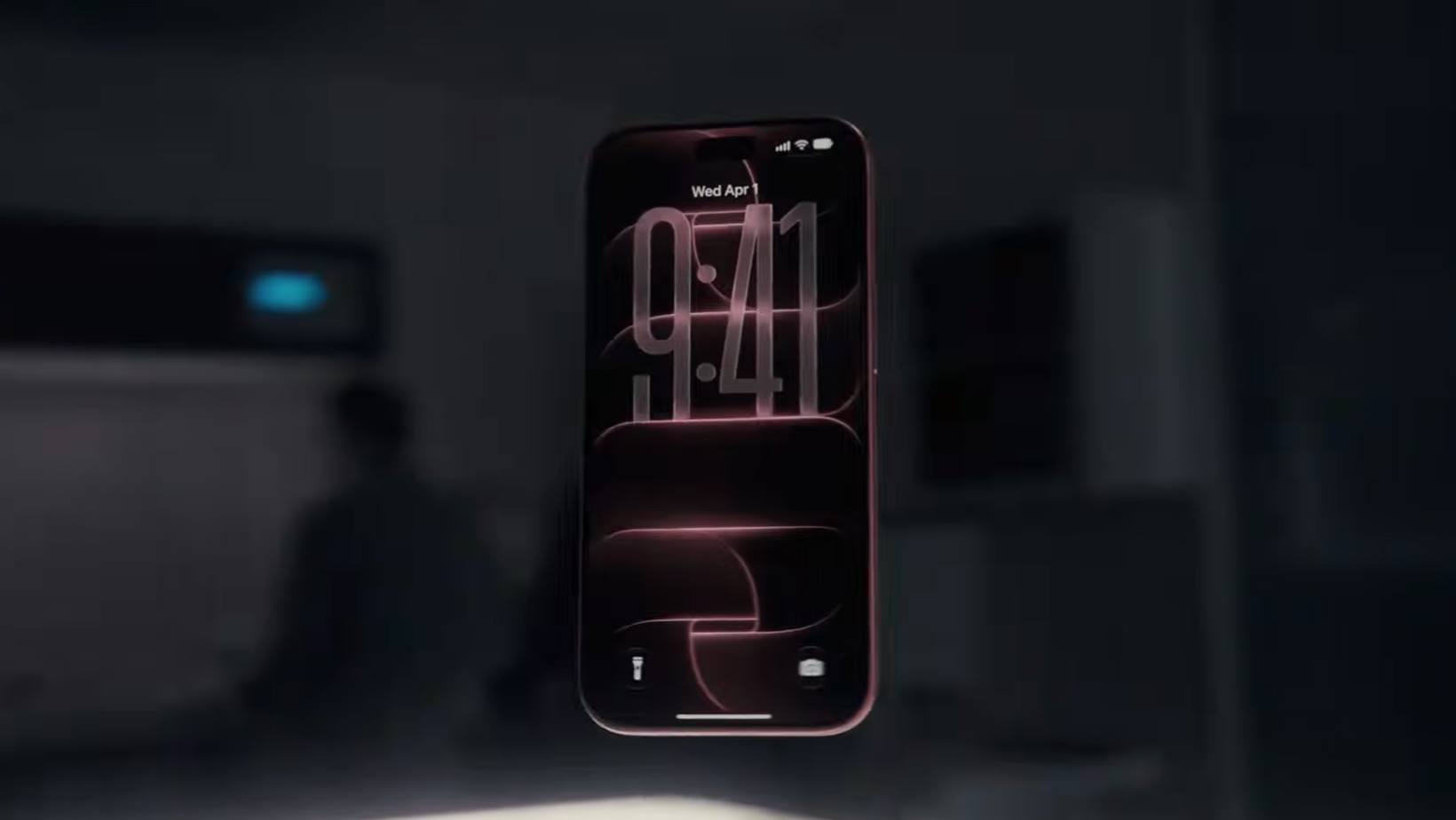
The smaller model makes a strong case for me if the goal is Pro hardware without turning every trouser pocket into a structural engineering experiment.
One-handed use is easier
The narrower body makes quick everyday interactions easier.
That sounds minor until you remember how often you unlock, reply, search, take photos, or change music with one hand because the other one is holding coffee, luggage, a dog lead, or something equally inconvenient.
Giant phones get old
If your current Max, Ultra, or other oversized flagship already feels annoying rather than luxurious, buying another massive phone probably won't fix that. You probably already know which side you’re on.
Full flagship power
This is the smaller phone’s strongest argument for me. I get the flagship processor and most of the same high-end features. The main sacrifices are screen size and battery rather than a lower performance tier.
That’s a pretty favorable trade if portability matters.
I’d pick Max for screen
The Pro Max starts making more sense to me once that larger screen replaces other devices or solves real problems during the day.
Your phone is your main screen
If I were watching long videos, gaming, reading documents, editing photos, or reviewing footage constantly, I’d appreciate the extra space much more than someone who mainly uses a phone in short bursts.
A larger display can also make creative apps and editing interfaces less fiddly.
Battery anxiety gets expensive
If I regularly ended the day hunting for a charger, I’d have a stronger reason to accept the additional weight.
That extra endurance becomes easier to justify during travel, long filming days, navigation-heavy trips, or events where outlets are nowhere near where you need them.
A bigger canvas for creators
This is where I think the Max makes more sense for a lot of the way I use and talk about tech.
A larger viewfinder is useful for framing shots, checking focus, reviewing footage, and working inside editing apps.
It doesn’t improve the image coming out of the camera. It can make the phone nicer to use as a creative tool.
If I needed more stability for filming, I’d still rather add something like the ShiftCam SnapStand Max Full Height Mobile Tripod than choose my entire phone around how comfortably it sits on a rig.
Hold both before you buy
When I’m choosing iPhone 18 Pro or Pro Max, phone size is one of the few decisions I wouldn’t make purely from a table.
Five minutes in a store can tell you more than another 2,000 words of specifications.
First time going Max?
The jump from 211g to 249g and 6.3 to 6.9 inches is much easier to understand once both phones are physically in your hand.
I’d try reaching the opposite corner with one thumb. I’d put the Max in my pocket. I’d hold it up as if I were filming for a few minutes.
You'll probably know pretty quickly if the size feels useful or ridiculous.
Camera shoppers, save your cash
If I were choosing iPhone 18 Pro or Pro Max primarily for photography, I’d keep reminding myself that Apple lists the same core camera system on both.
That gives the smaller phone a much easier argument unless the Max screen itself improves the way you shoot.
For a broader look at what changed across this generation, my Apple September event coverage breaks down the launch beyond this comparison.
Don't sleep on the smaller Pro
The iPhone 18 Pro vs iPhone 18 Pro Max decision gets refreshingly simple once you ignore the shared specs. The Max gives me more screen and longer battery life. The Pro gives me almost all the same headline hardware in a smaller, lighter body.
That’s also why I think iPhone 18 Pro vs Pro Max is a more useful way to frame the choice than asking which phone is “better.” The answer depends on which difference I’d still appreciate after six months.
For me, the smaller Pro is unusually compelling if I want the performance upgrades without carrying the largest phone Apple sells.
The Max still has a very clear audience. If I were a heavy mobile user, creator, gamer, traveler, or someone who already knows I love big phones, I could get more out of its extra screen space and endurance every day.
So if someone asked me to choose between iPhone 18 Pro vs iPhone 18 Pro Max, I’d come back to the same question: am I willing to carry the extra size every day for the larger screen and battery?
Pick based on the difference you expect to feel after six months, rather than the one that looks most impressive on Apple's comparison page.
For more real-world tech experiments and buying decisions, you can join my Experiments in Progress newsletter.
Frequently asked questions
Here are the quick answers I’d give to the questions I hear most about the two models.
Is Pro Max camera better than Pro?
No. Both phones use the same Pro Fusion camera system, including the variable-aperture Main camera. There's no separate camera tier on the Max.
Does Pro Max have better battery life?
Yes. Apple gives the Pro Max the higher official battery rating, and TechRadar also recorded longer endurance under the same web-browsing test. Battery life is the strongest reason to choose the Max over the Pro.
Is Pro Max much heavier?
The Pro Max weighs 249g compared with 211g for the Pro, making it 38g heavier. That difference becomes more noticeable during long periods of one-handed use or filming than it looks on paper.
Do both models use A20 Pro?
Yes. Both phones use the A20 Pro chip. There's no separate higher-tier processor on the Pro Max.
Should I buy Pro or Pro Max?
Choose the Pro for a smaller, lighter phone. Choose the Pro Max for a larger screen and longer battery life.
