


Well, the rumours can finally stop.
Apple’s September event is over, and this year we actually got something considerably more interesting than a slightly faster iPhone in a new colour.
The biggest announcement was the iPhone Duo, Apple’s first foldable iPhone and easily the most significant change to the physical iPhone design in years. Alongside it, Apple announced the iPhone 18 Pro and iPhone 18 Pro Max, Apple Watch Series 12, Apple Watch Ultra 4 and AirPods 5.
There was plenty of new software in the mix too. iOS 27 and watchOS 27 arrived on September 14, Siri AI is beginning its rather complicated rollout, and Apple is putting more emphasis on health and recovery data across its latest watches.
Some of the pre-event rumours turned out to be impressively accurate. Others were miles off. And, as always, a few of Apple's biggest claims will need to wait until the products are actually in people's hands before we know how much difference they make.
So, now that we can forget about leaks and look at the actual products, here’s everything Apple announced at its September 2026 event — and the bits I think are genuinely worth paying attention to.
Apple September 2026 event: the key takeaways
If you don't fancy reading several thousand words about folding displays, variable apertures and how frequently your watch checks your heart rate, here's the short version.
The obvious headline is the iPhone Duo. Apple has been making conventional smartphones for nearly two decades, so the arrival of its first foldable was always going to overshadow everything else.
But I don't think the Duo is automatically the product most people should buy.
The iPhone 18 Pro and Pro Max look much more conventional, but Apple has made some meaningful changes where they count. The new variable-aperture camera is particularly interesting, the A20 Pro moves to a 2nm process, battery life is up, and the Dynamic Island has finally gone on a bit of a diet.
Apple Watch Series 12 and Ultra 4 are much more about what happens underneath the familiar designs. Health data is being collected more frequently, Apple has introduced a new Readiness score, and the Ultra gets a useful battery bump.
AirPods 5 might actually be the easiest product here to recommend. Active Noise Cancellation is now standard on both versions, with the extra $20 largely buying you a better charging case and a little more battery life.
Let's get into them properly.
iPhone Duo: Apple finally made a foldable iPhone
This was the one everybody was waiting for.
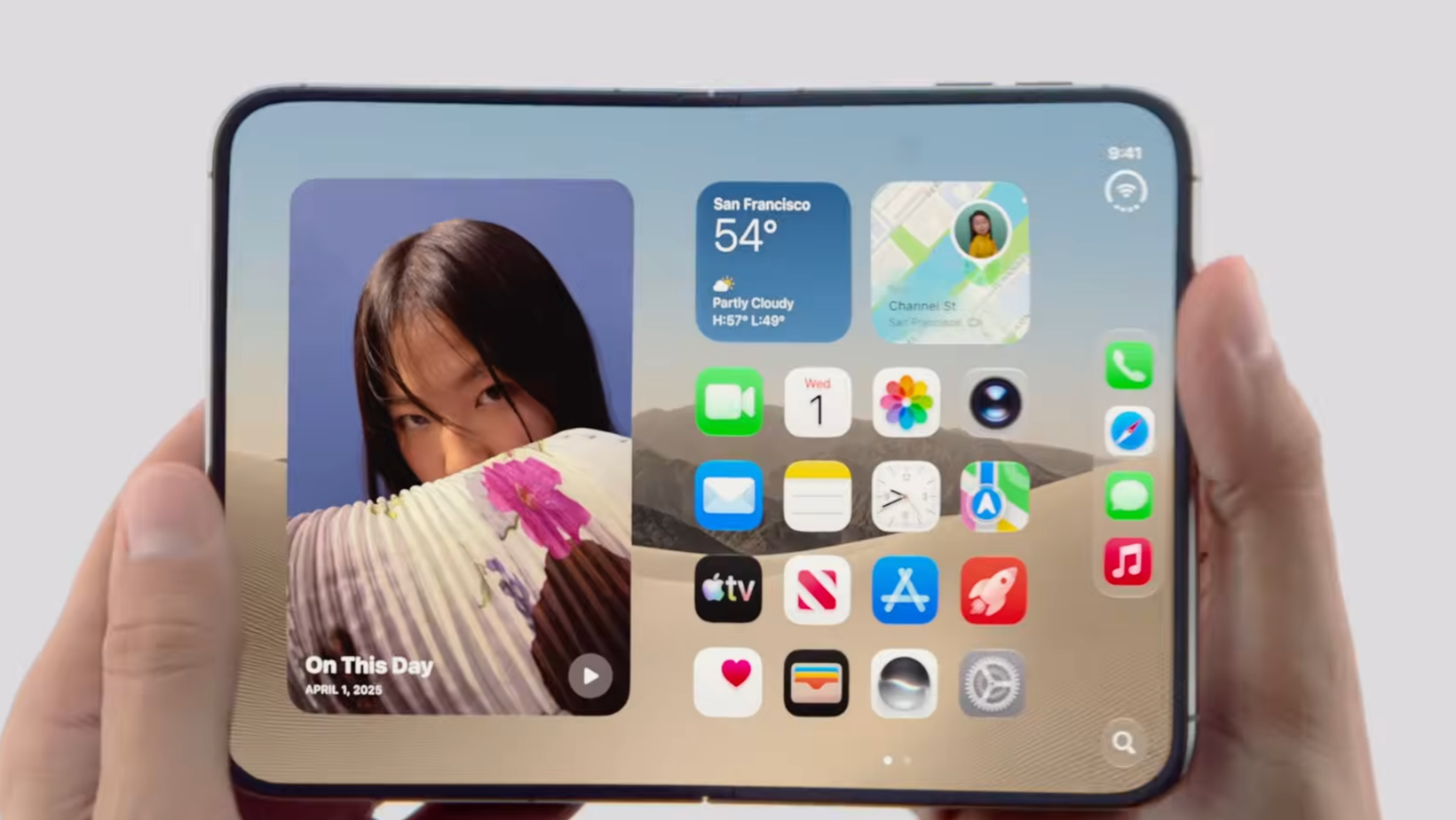
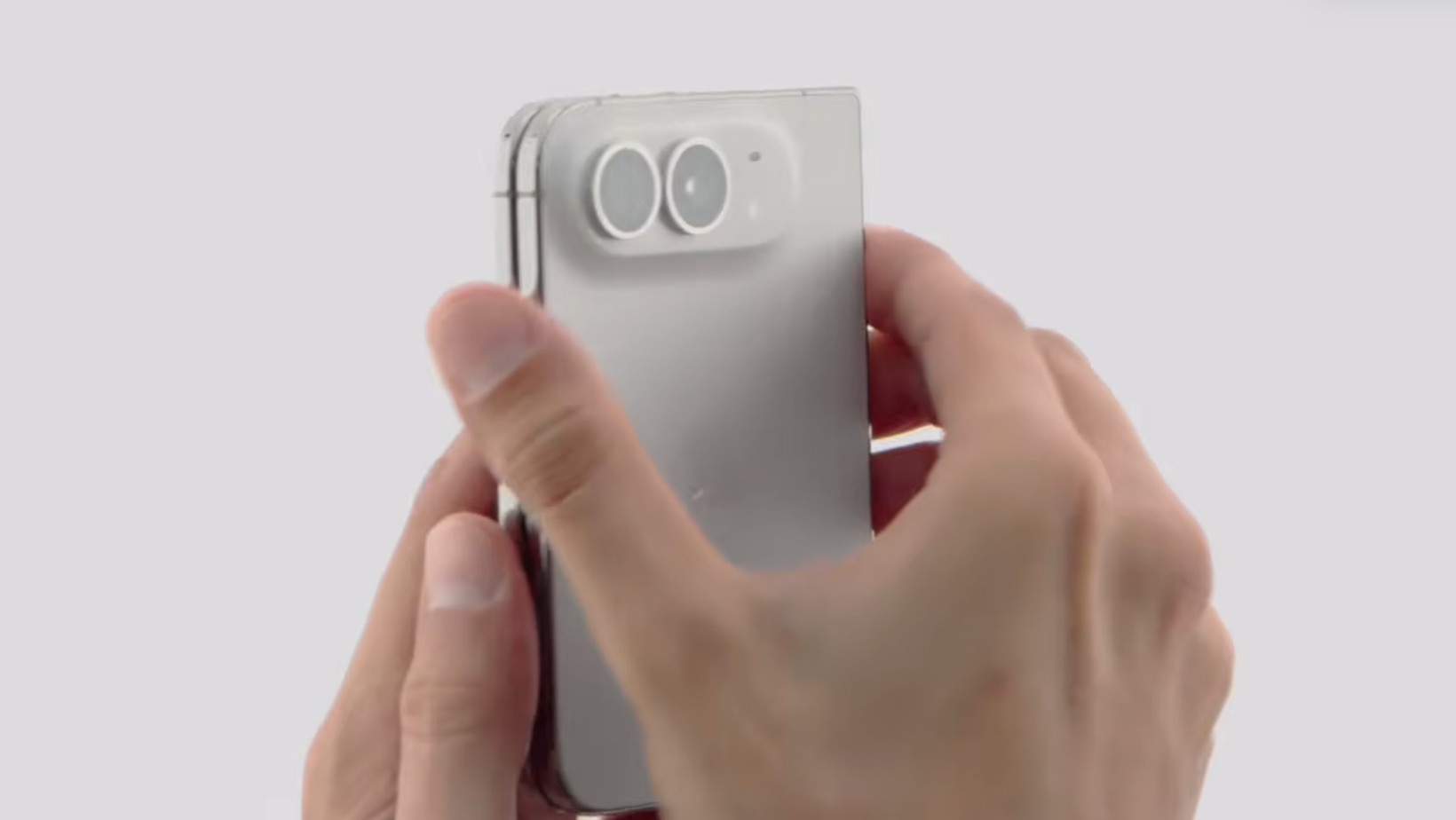
Apple has officially entered the foldable-phone market with the iPhone Duo, a book-style iPhone with a 5.4-inch outer display that opens into a 7.6-inch inner display.
And yes, Apple has gone with Duo. Not Fold, Ultra, Flip or any of the other names floating around before the event.
Closed, Apple describes it as passport-like, which is a surprisingly good description. It measures 84.1mm wide by 117.8mm tall and 11.3mm thick. Open it and the thickness drops to 5.2mm, with the overall device weighing 254g.
That makes this a fairly chunky phone when it's closed, but you're obviously buying it because it stops behaving like a normal phone when you open it.
The inner OLED display has a 1878 × 2670 resolution, ProMotion up to 120Hz and up to 3,000 nits of outdoor peak brightness. The outer screen gets the same 120Hz ProMotion support and peak outdoor brightness, so this isn't a case of Apple giving you one nice display and one secondary screen that feels like an afterthought.
Apple has also managed to give the Duo an IP68 rating, something I was particularly interested to see on a first-generation foldable.
The hinge contains more than 100 components, with a Grade 5 titanium frame and a layered inner-display construction designed to relieve stress as the screen bends. Apple says the design helps minimise the appearance of the crease too.
How good is the crease? How does that hinge feel after six months? What happens after thousands of folds?
We don't know yet.
As of the research cutoff, there hadn't been independent testing of retail units for hinge durability, crease visibility, battery life, thermals or camera quality. So Apple's engineering sounds impressive, but this is exactly the sort of thing I want to see tested before declaring that Apple has magically solved every problem foldables have spent years dealing with.
The Duo actually does something with the bigger display
The software is where the Duo starts making considerably more sense.
Opening it doesn't simply give you a giant version of the normal iPhone interface. Apple has built fold-aware layouts into iOS 27.1, including Split View, saved app pairs, two windows from the same app and simultaneous Siri and content views.
There are also different layouts depending on how the phone is positioned. You can use it closed with one hand, open it like a book, sit it partly folded on a surface or use the displays in different orientations.
This is important because a folding screen isn't particularly useful if all it gives you is Instagram, only enormous.
Apple has clearly borrowed some of the thinking that has worked on the iPad and adapted it for a device that still needs to behave like an iPhone when it's closed.
The camera system gets some foldable-specific tricks too. Duo Preview can show the person you're photographing their framing on the outside screen, while Smart Take detects when subjects are ready. Kid Cue uses animations on the outer display to get a child's attention, which might sound slightly ridiculous until you've tried to get a toddler to look at a camera for more than half a second.
There's also Dual Capture for recording two views and Duo FaceTime, which can use the second display when other people are nearby.
The iPhone Duo cameras are good on paper, but this isn't Apple's ultimate camera phone
The Duo has two 48MP rear cameras: a Fusion Main camera and an Ultra Wide.
The Main camera is 26mm at ƒ/1.6, while the Ultra Wide offers a 120-degree field of view. The Main sensor can also produce an optical-quality 2× view, giving you 0.5×, 1× and 2× options without a dedicated telephoto camera.
That's a decent system, although anyone expecting Apple's most expensive iPhone to automatically have Apple's most capable camera setup should look carefully at the iPhone 18 Pro first.
The Duo doesn't have the Pro's dedicated 4×/8× telephoto hardware or its new variable-aperture Main camera.
And I suspect this will become one of the big questions around the Duo: are you willing to pay considerably more for the folding design while accepting compromises elsewhere?
That's going to be much more interesting than simply asking whether the Duo is “better” than an iPhone 18 Pro Max.
A20 Pro, Touch ID and two batteries
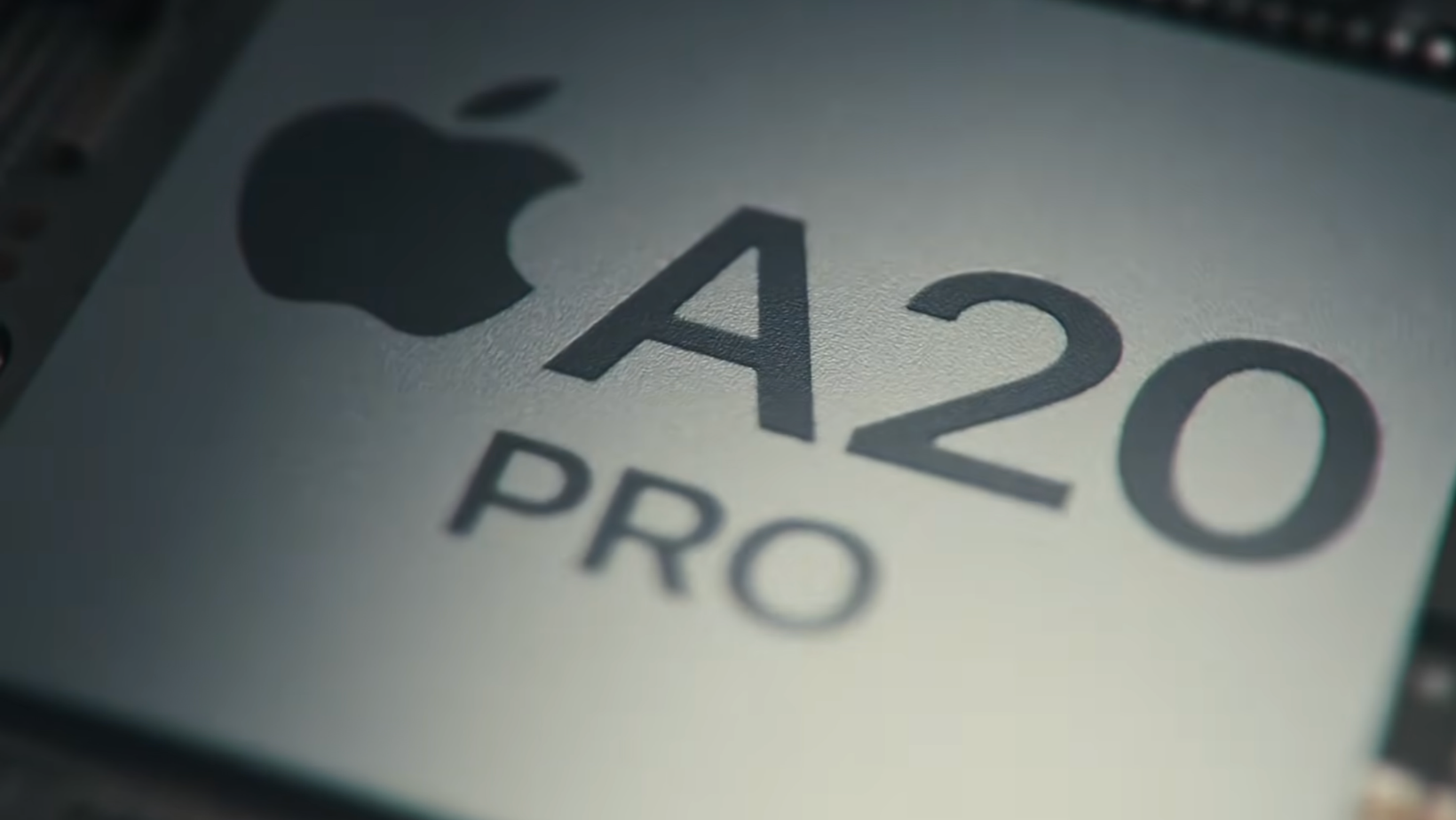
Inside, the Duo uses Apple's A20 Pro, with a six-core CPU, seven-core GPU, dual 16-core Neural Engines and hardware-accelerated ray tracing.
Interestingly, Apple has brought Touch ID back for the Duo, built into the side button. There's no Face ID listed in Apple's specifications.
The phone also uses two batteries, presumably because there isn't a convenient rectangular slab of space inside a folding device. Apple rates it for up to 24 hours of typical use, or up to 44 hours of video playback when using the outer display.
Again, those are Apple's numbers. I'll be far more interested in what happens when somebody spends a normal day bouncing between both displays, using the camera, navigation, 5G and all the other things that make laboratory battery figures considerably less tidy.
Charging reaches 50% in around 20 minutes with a suitable 60W or higher wired adapter, while MagSafe and Qi2 reach up to 25W.
The Duo is also eSIM-only, uses Apple's C2 modem and supports Wi-Fi 7, Bluetooth 6 and USB 3 over USB-C.
The iPhone Duo costs $1,999
And now we get to the fun bit.
The iPhone Duo starts at:
- 256GB: $1,999 / £1,999
- 512GB: $2,199 / £2,199
- 1TB: $2,599 / £2,599
- 2TB: $3,199 / £3,199
So yes, you can now spend more than $3,000 on an iPhone before you've bought a case.
The interesting thing is that the $1,999 starting price is actually lower than some of the more aggressive pre-event predictions, which had pushed the expected price beyond $2,500.
That doesn't suddenly make two grand cheap, obviously. It does make Apple's entry point into foldables slightly less outrageous than it could have been.
Preorders open on October 16, with availability beginning October 23. That's much later than the rest of the September hardware, so anyone desperate to get their hands on Apple's first foldable has another month to wait.
iPhone 18 Pro and Pro Max: familiar phones with some genuinely interesting upgrades
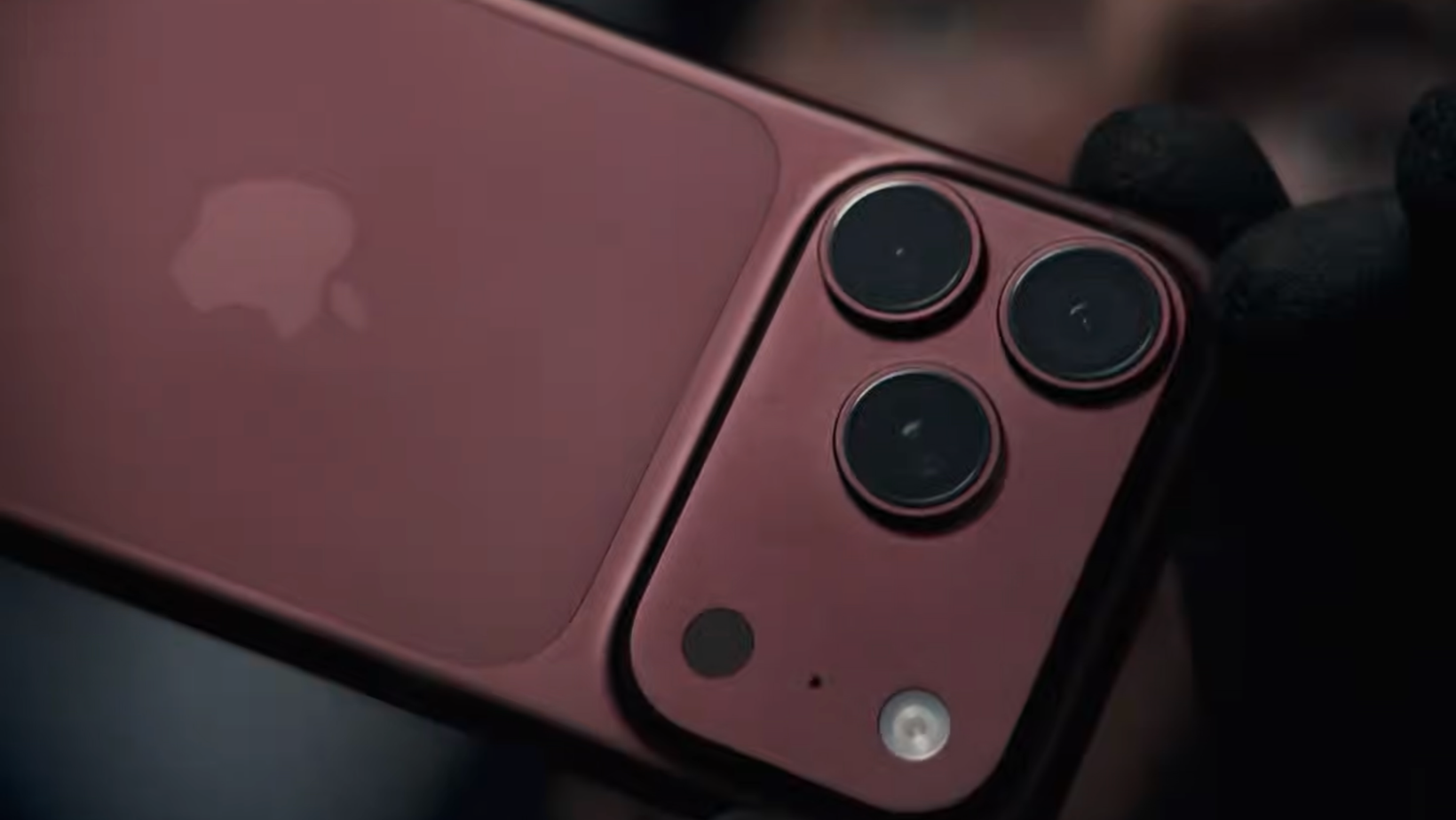
If the Duo is Apple showing us what it thinks the future of the iPhone could look like, the iPhone 18 Pro and Pro Max are much more familiar.
You still get 6.3-inch and 6.9-inch displays, and the overall physical dimensions haven't changed from the iPhone 17 Pro generation.
That doesn't mean Apple has simply changed the processor and called it a day.
The big upgrades are the A20 Pro chip, variable-aperture Main camera, larger vapor chamber, smaller Dynamic Island and improved battery figures.
Prices have gone up too, but we'll get to that.
The variable-aperture camera is the upgrade I'm most interested in
The headline camera change is a new 48MP Fusion Main camera with a physical variable aperture.
And when I say physical, I mean it.
Apple has built a six-blade mechanism into the camera with four aperture settings: ƒ/1.48, ƒ/1.8, ƒ/2.8 and ƒ/4.0.
The phone can adjust the aperture automatically depending on light and depth of field, while Pro controls allow manual adjustment.
That's far more interesting to me than another round of “our computational photography is 17% more computational” because you're actually changing the optics.
A wider aperture can bring in more light and create shallower depth of field. A narrower aperture can keep more of a scene in focus. Giving users physical control over that opens up possibilities that software simulation alone can't quite replicate.
The rest of the rear camera system consists of a 48MP Ultra Wide and a 48MP Telephoto offering 4× and 8× optical-quality views, with up to 40× digital zoom.
Whether the variable aperture produces a dramatic real-world improvement is something we'll need to test. As an actual piece of new camera hardware, though, this is one of the more interesting iPhone Pro upgrades we've had for a while.
A20 Pro moves to 2nm
Both Pro models use the new A20 Pro, manufactured on a 2-nanometer process.
It has a six-core CPU, seven-core GPU and dual 16-core Neural Engine. Apple is claiming 50% more memory bandwidth, up to 40% faster GPU performance, twice the AI processing power and up to 40% better sustained performance, depending on the particular comparison.
There's also a vapor chamber with three times the surface area of the previous Pro generation.
Those numbers sound lovely on an Apple slide. As ever, I'll wait for independent benchmarks and sustained-load testing before getting too excited about exact percentages.
The larger cooling system is potentially the more interesting part. Modern iPhones are already extremely fast for short bursts. Sustaining that performance during gaming, video work and AI workloads without throttling is where improved thermal management could make a more noticeable difference.
The Dynamic Island is smaller, finally
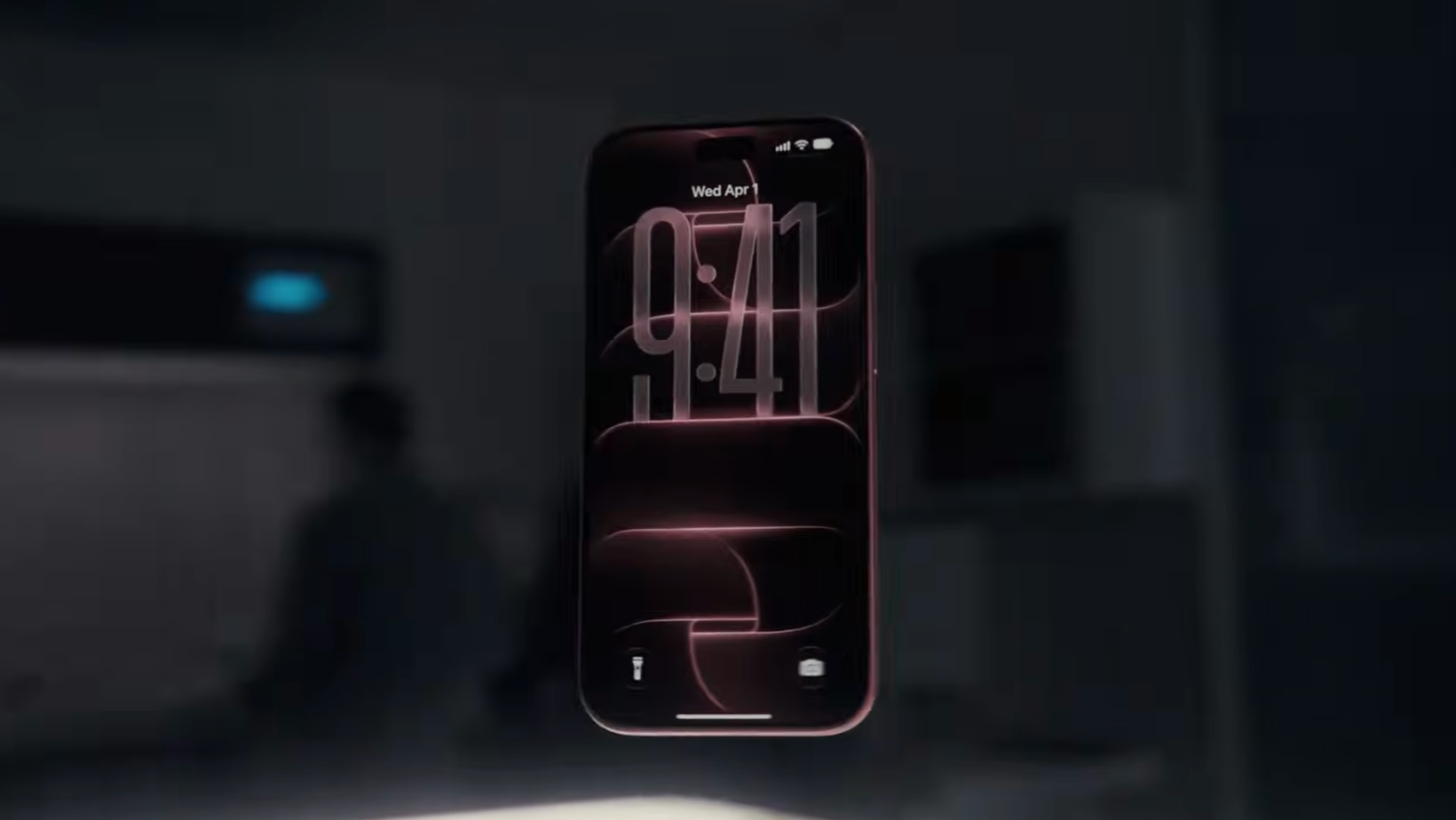
Apple hasn't abandoned the Dynamic Island, but it has made it smaller.
It can now show up to three Live Activities, which should make it more useful when you've got several things happening at once.
Display sizes, resolution, refresh-rate ceiling and peak brightness are otherwise broadly familiar. Apple still lists ProMotion up to 120Hz and 3,000 nits of outdoor peak brightness.
There had been pre-launch rumours around LTPO+ display technology, but Apple hasn't actually named LTPO+ in the final specifications. That's one of those rumours I'd now put firmly back in the drawer rather than pretending Apple quietly confirmed it.
The new colours are black, silver, glacier and burgundy, and both phones are available with up to 2TB of storage. That 2TB option is new for the smaller Pro.
Battery life goes up
Apple rates the iPhone 18 Pro for up to 24 hours of typical use, 36 hours of video playback and 33 hours of streamed video.
The Pro Max goes to 30 hours of typical use, 45 hours of video playback and 40 hours of streamed video.
Wired charging can reach 50% in around 15 minutes with a compatible 60W-or-higher setup, while MagSafe reaches 50% in around 30 minutes and tops out at 25W.
Those numbers make the Pro Max particularly interesting if battery life is your priority, although — yes, I'm going to say it again — these are Apple's test figures.
iPhone 18 Pro prices have increased
The iPhone 18 Pro starts at $1,199, while the Pro Max starts at $1,299.
That's $100 more than the equivalent starting prices last year.
The full U.S. range looks like this:
Preorders began September 12, with retail availability starting September 18.
The increase works out at roughly 8–9% at the entry level. That's lower than some of the 10–20% increases predicted before the event, although I'm not sure “the price increase wasn't quite as bad as expected” is going to make anyone particularly excited.
If you're choosing between the two Pros, the decision is still largely going to come down to screen size, battery life and how much phone you're prepared to carry around every day.
Apple Watch Series 12: Apple is coming for your recovery score
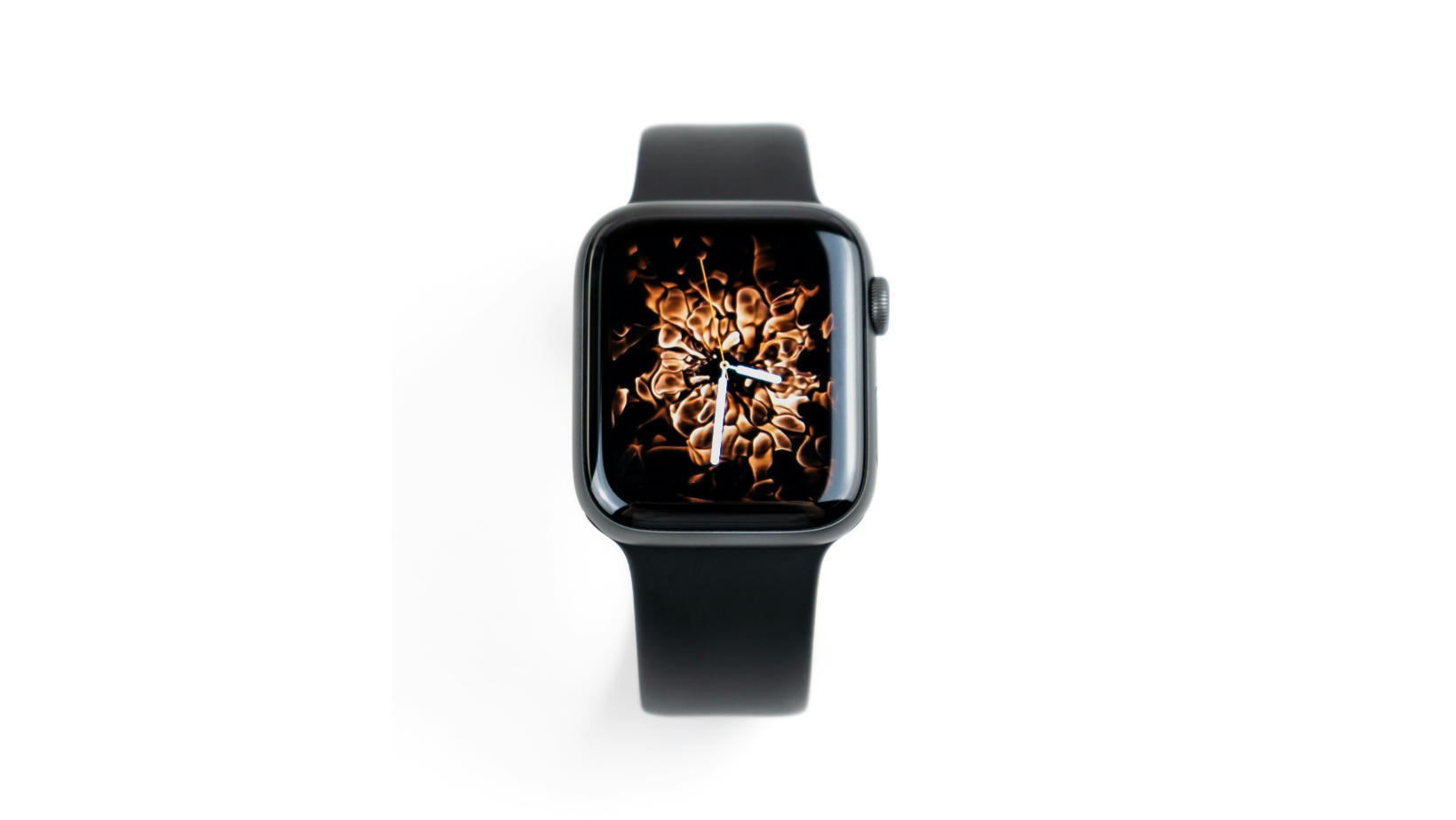
The Apple Watch Series 12 doesn't look radically different from the previous generation, and that's probably because Apple has concentrated most of its effort on what the watch is measuring.
The Series 12 comes in the familiar 42mm and 46mm sizes and introduces Apple's new Health Sensing System, built around updated heart sensors and the S11 chip.
Apple says background heart rate is now read every five seconds throughout the day, which it describes as 60 times more frequently than Series 11. Heart-rate variability can be measured as often as every five minutes.
That feeds into a new Readiness score, which is probably going to look familiar if you've spent any time with an Oura Ring, Whoop or one of the other recovery-focused wearables.
Readiness gives you a score from 0 to 10 based on recent activity, training load, Vitals and sleep, then categorises the result as Recover, Pace Yourself, Ready or Go For It. It can update throughout the day as new data comes in.
I actually think this is a sensible direction for Apple Watch.
Apple has been very good at collecting an enormous amount of health data for years. Turning that into something you can understand when you wake up in the morning is arguably more useful than simply adding another sensor and another graph.
The watch also introduces daytime and overnight Vitals views, with Recovery HRV compared against your personal baseline.
Apple is making some big claims around accuracy too. Its own study compared Series 12 against Garmin, Google, Huawei, Samsung, Whoop and Oura devices using a Polar H10 chest strap as the reference.
The important bit there is Apple's own study. That's useful evidence, but it isn't the same as independent validation, so I wouldn't turn Apple's “most accurate” language into an objective fact just yet.
Battery life is rated at up to 24 hours, or 38 hours in Low Power Mode. Charging to around 80% takes 30 minutes.
Series 12 starts at $399 / £369 and is available from September 18.
Apple Watch Ultra 4: better battery and the same health push
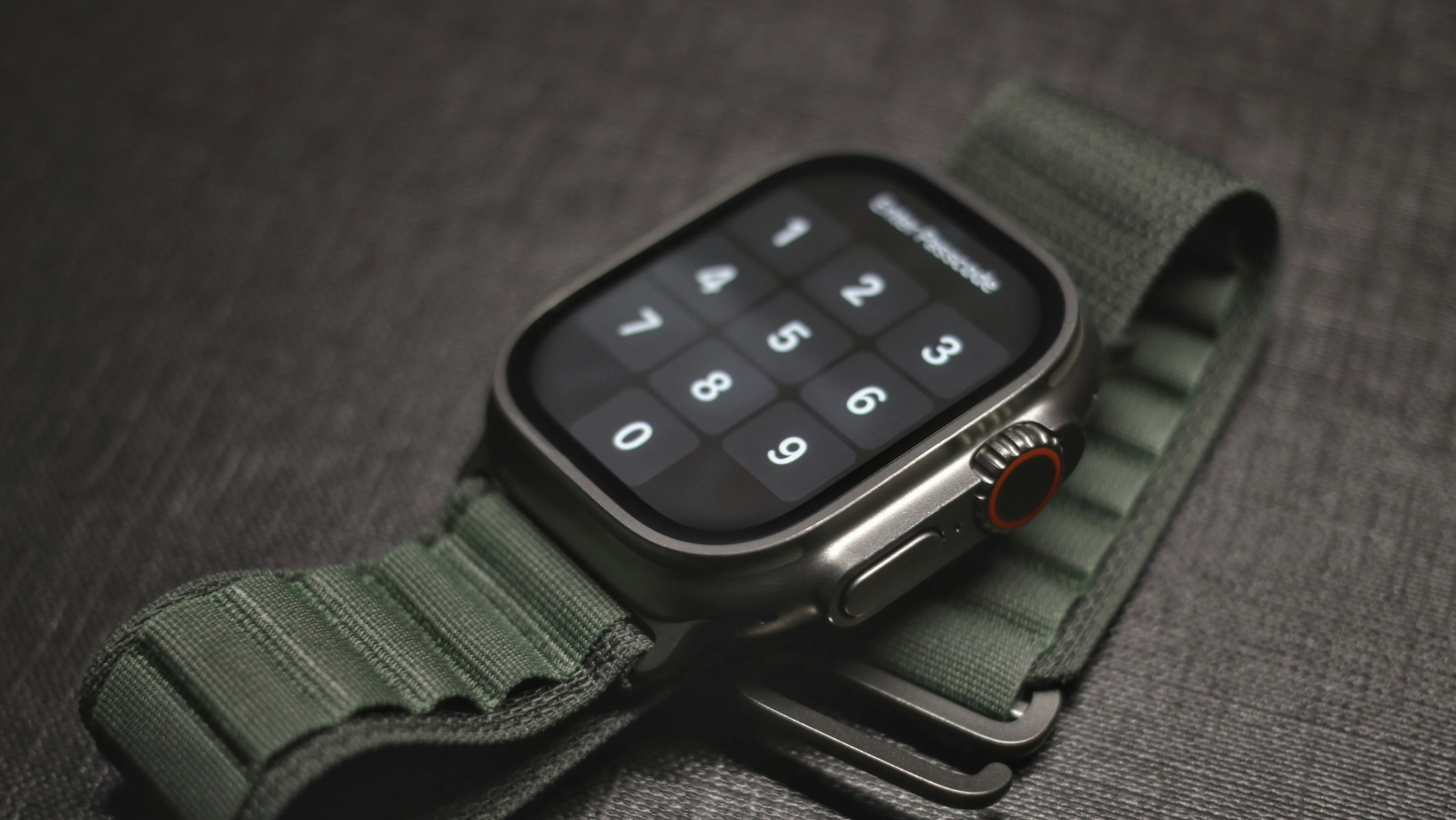
The Apple Watch Ultra 4 takes much of the Series 12 health story and puts it into Apple's bigger adventure watch.
It's still a 49mm Grade 5 titanium watch, so anyone expecting a dramatic redesign isn't getting one. The dimensions are effectively unchanged from the Ultra 3.
Inside, however, it gets the new S11 chip, updated health sensors, five-second background heart-rate readings, more frequent HRV measurements and the same 0–10 Readiness score.
The battery upgrade is probably the bit Ultra owners will notice most.
Apple now rates normal use at up to 50 hours, compared with 42 hours on the Ultra 3, while Low Power Mode rises from 72 to 84 hours.
There's also a Max Extended Workout mode rated for up to 45 hours, although that number needs context. The mode disables alerts and splits and makes some metrics unavailable, so don't read “45-hour workout” as 45 hours with every feature running normally.
Satellite communication is built in for Emergency SOS, Messages and Find My where supported, while the watch retains 100-metre water resistance and recreational scuba support down to 40 metres.
Ultra 4 starts at $799 / £749, with availability from September 18.
For current Ultra 3 owners, this doesn't immediately look like a must-upgrade generation. If you're coming from an older Ultra — or you've been wanting Apple Watch to give you more useful recovery information — there's considerably more here.
AirPods 5: Apple made ANC standard
The new AirPods 5 are a good example of why it's worth waiting for the announcement rather than treating leaks as fact.
Before the event, the expectation was that Apple would release one regular AirPods 5 model and a more expensive version with Active Noise Cancellation.
Instead, both AirPods 5 models have ANC.
The difference is mainly the case.
The $129 model comes with a USB-C Charging Case. Spend $149 and you get a Wireless Charging Case with Qi and Apple Watch charger support, a Find My speaker, volume swipe and slightly longer battery life.
That's a much simpler buying decision.
Apple has redesigned the acoustic architecture and introduced next-generation Adaptive EQ, while keeping the H2 chip rather than moving to a rumoured H3.
Apple claims ANC reduces up to 50% more external noise than AirPods 4 with ANC under its testing conditions.
Battery life on the standard version reaches up to four hours with ANC enabled and six hours with noise control off. The Wireless Charging Case model stretches that to five and seven hours respectively.
There are also the now-familiar Apple audio features including Transparency, Adaptive Audio, Conversation Awareness, Personalized Spatial Audio and Voice Isolation.
Live Translation works when paired with a compatible Apple Intelligence-enabled iPhone, although there are software, hardware, language and regional requirements involved.
One thing you don't get is the health hardware from AirPods Pro. Apple lists no heart-rate sensing, Hearing Test, Hearing Aid or Hearing Protection features on AirPods 5.
And those rumoured camera-equipped AirPods? They didn't happen this year either.
AirPods 5 start at $129 / £119, or $149 / £139 with the Wireless Charging Case, and are available from September 18.
iOS 27 and Siri AI are here — sort of
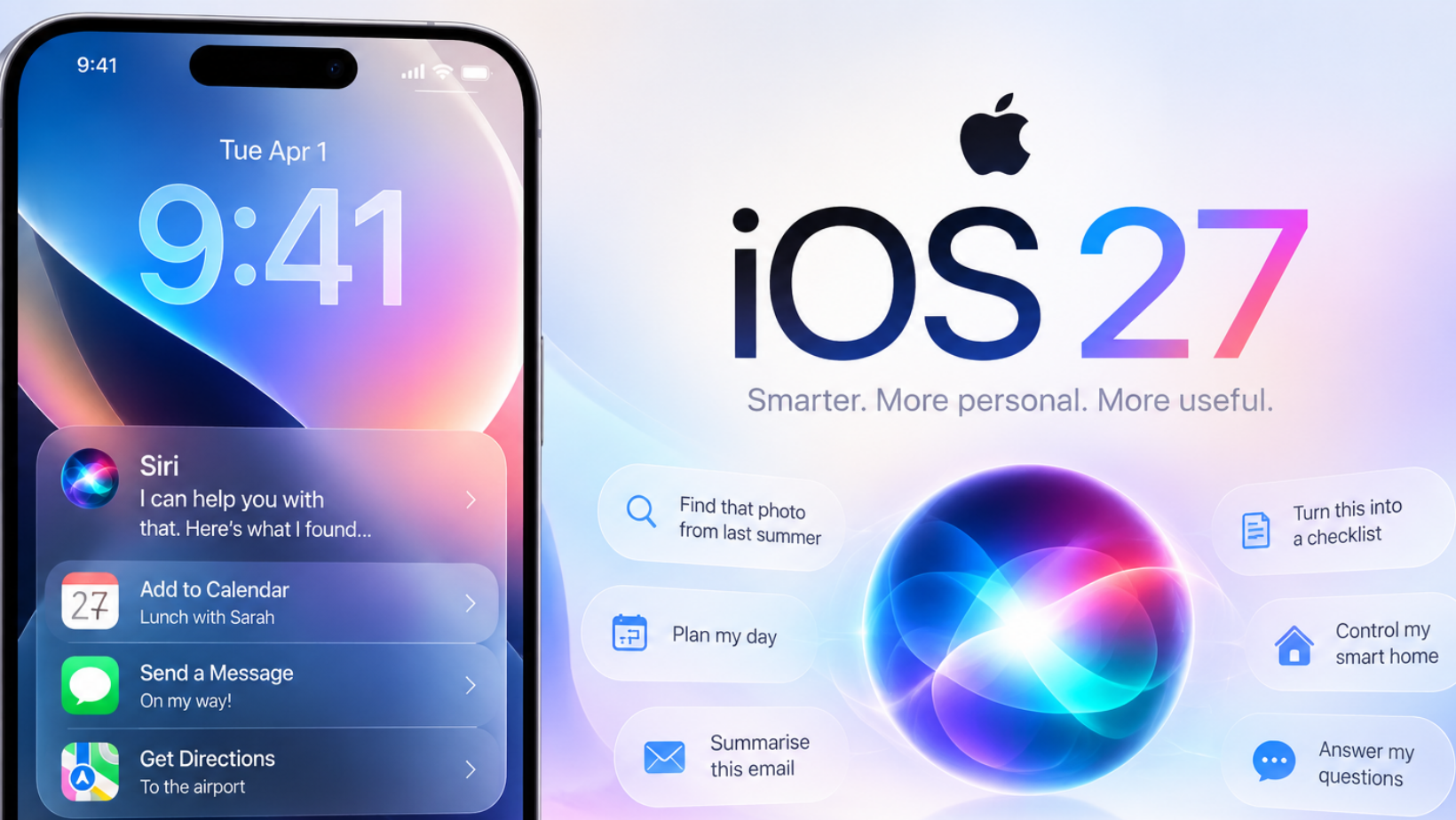
Apple's hardware wasn't the whole story.
iOS 27 launched on September 14 for iPhone 11 and later, as well as the second-generation iPhone SE and newer.
Siri AI is the headline addition, with Apple promising more conversational requests, awareness of what's on your screen, access to personal context across things like messages, email and photos, web-backed answers and the ability to perform actions across apps.
There's even a dedicated Siri app with synced conversation history.
The complication is availability.
Siri AI is launching as an English-language beta, and some Apple Intelligence features remain staged for later updates. Apple says Siri AI is initially unavailable on iOS, iPadOS and watchOS in the European Union, while Apple Intelligence features remain unavailable in mainland China as regulatory requirements are addressed.
So “Siri AI has launched” needs a fairly substantial asterisk attached to it.
iOS 27 itself includes plenty beyond Siri, including changes to Liquid Glass, natural-language Shortcuts, new Safari features, expanded parental controls and improvements to Mail, Messages, accessibility and Apple Intelligence.
The iPhone Duo will actually ship with iOS 27.1, which contains the fold-specific interface and multitasking features.
watchOS 27 also arrived on September 14, bringing the new Siri experience, Smart Stack changes, Workout Buddy improvements and various health, fitness and safety additions to supported watches.
Which rumours were actually right?
Considering how many leaks were flying around before this event, quite a lot of the big-picture reporting held up surprisingly well.
The foldable really did arrive. It really is passport-shaped. The inner display is roughly the size predicted, Apple has built proper multitasking around it, and the device is arriving later than the conventional iPhone 18 Pro models.
The variable-aperture camera rumours were also right, and Apple did move A20 Pro to a 2nm process.
Reports around the Apple Watch's greater emphasis on continuous health monitoring and recovery were directionally very good too. We ended up with five-second background heart-rate sampling, more frequent HRV readings, Vitals and the new Readiness score.
But there were plenty of misses.
The iPhone Duo starts at $1,999 rather than the $2,500-plus prices being thrown around before launch.
The rumoured AirPods 5 split between standard and ANC models didn't happen because Apple put ANC on both.
The iPhone 18 Pro price increase arrived, although at around 8–9% in the U.S. rather than the 10–20% range some forecasts had suggested.
And Apple never announced LTPO+ for the iPhone 18 Pro, a dramatically redesigned Apple Watch, or camera-equipped AirPods.
This is precisely why I tend to enjoy Apple rumour season without treating every supply-chain report as a product specification.
What Apple didn't announce
There are also a few things worth clearing up because they were floating around the September conversation but weren't actually announced at this event.
Apple Watch SE 3 isn't new. It's still part of Apple's current lineup, but it originally launched in September 2025.
The M6 Mac mini and M5 Max/M5 Ultra Mac Studio weren't surprise September-event announcements either. Apple had already announced those on August 25, with availability beginning September 22.
We also didn't get the broad Apple Watch redesign that had appeared in some pre-event speculation, and several software features Apple has discussed are still coming later in 2026 rather than being available immediately.
That's worth remembering when looking at this launch as a whole. Apple announced a lot, but some of the experience it showed is going to arrive in stages.
So, what was actually the best announcement?
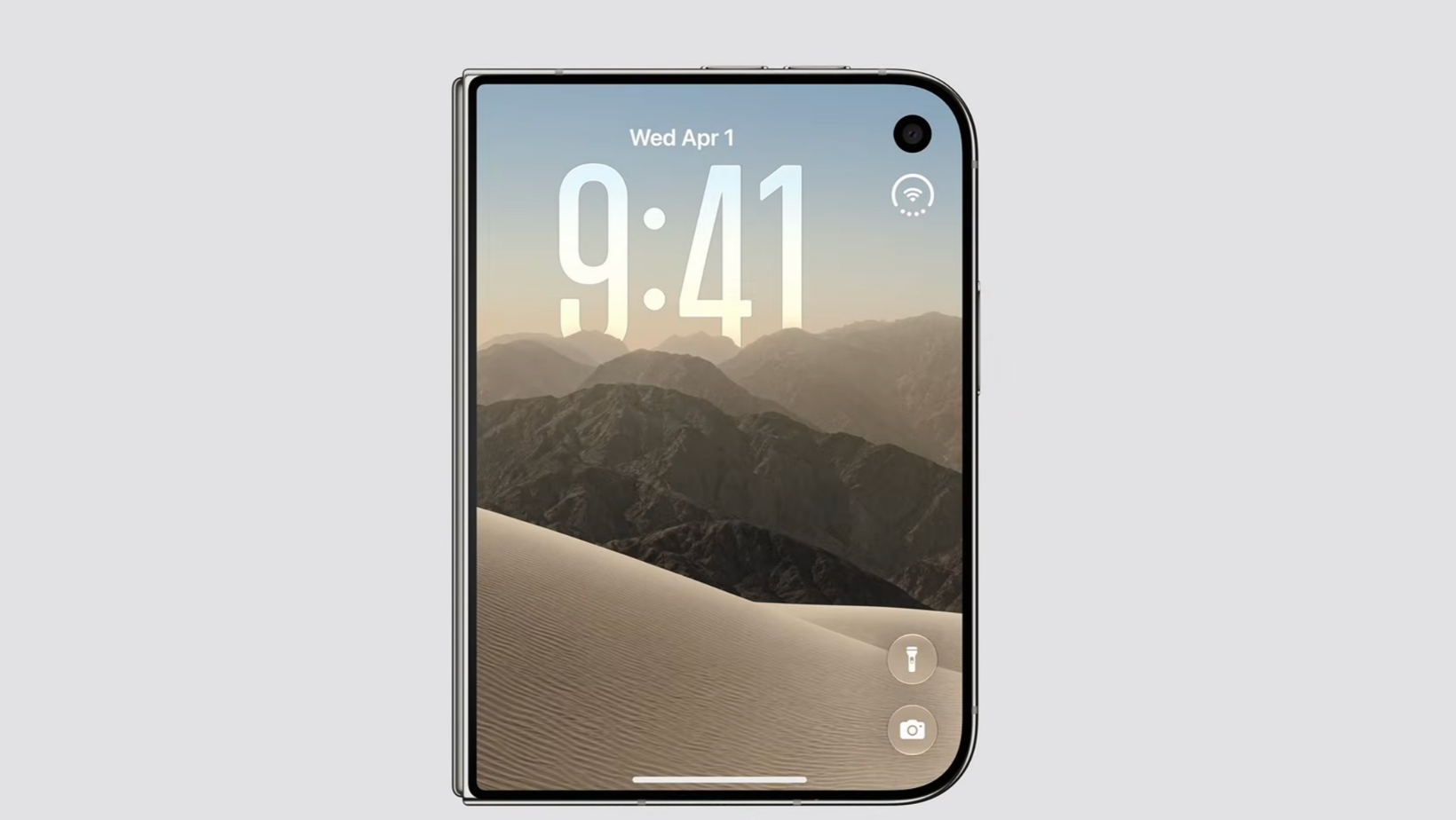
For sheer significance, it has to be the iPhone Duo.
Apple releasing its first folding iPhone is a much bigger moment than another annual processor bump, and I'm genuinely interested to see whether Apple's approach to the hinge, software and two-display experience is enough to convince people who've ignored foldables until now.
I'm less convinced that everyone should immediately spend $1,999 on one.
This is still a first-generation product. It's expensive, the camera system makes compromises compared with the iPhone 18 Pro, Touch ID replaces Face ID, and some of the most important questions — hinge longevity, crease visibility, real battery life and long-term durability — haven't been independently answered yet.
For most people buying an iPhone this year, I suspect the iPhone 18 Pro or Pro Max will make considerably more sense. The design is familiar, but variable aperture, A20 Pro, improved thermals and better battery life are useful upgrades rather than changes invented for a keynote slide.
The Apple Watch updates are quieter, although I think Readiness could end up being one of those features that becomes far more useful than it initially sounds. Apple already has a ridiculous amount of health information on your wrist; giving you a clearer answer to “how am I actually doing today?” is a sensible next step.
And AirPods 5 might be the easiest recommendation of the lot. ANC becoming standard at $129 makes the range much simpler, particularly if you don't care about wireless charging.
The good news is that most of these products are available now or very shortly.
The one exception is the product everyone wants to play with.
The iPhone Duo goes up for preorder on October 16 and reaches customers on October 23. Once that happens, we'll finally be able to answer the questions Apple couldn't answer from a stage: how good the fold feels, how visible the crease really is, whether the battery survives a normal day and whether a folding iPhone is genuinely useful once the novelty wears off.
And yes, I'm very much looking forward to finding out.
FAQs
What did Apple announce at its September 2026 event?
Apple announced the iPhone Duo, iPhone 18 Pro, iPhone 18 Pro Max, Apple Watch Series 12, Apple Watch Ultra 4 and AirPods 5. The iPhone Duo is Apple's first foldable iPhone and was the biggest new product category announced during the event.
What is the iPhone Duo?
The iPhone Duo is Apple's first foldable iPhone. It has a 5.4-inch outer display and opens to reveal a 7.6-inch inner display. It uses the A20 Pro chip, Touch ID, two 48MP rear cameras and fold-specific features in iOS 27.1.
How much does the iPhone Duo cost?
The iPhone Duo starts at $1,999 / £1,999 for 256GB. Prices rise to $3,199 / £3,199 for the 2TB model.
When is the iPhone Duo release date?
iPhone Duo preorders open on October 16, 2026, with general availability beginning October 23.
How much are the iPhone 18 Pro and Pro Max?
The iPhone 18 Pro starts at $1,199 in the U.S., while the iPhone 18 Pro Max starts at $1,299. Both start with 256GB of storage and are available in capacities up to 2TB.
What's new with the iPhone 18 Pro camera?
The biggest change is a physical variable aperture on the 48MP Main camera. It uses six mechanical blades and can switch between ƒ/1.48, ƒ/1.8, ƒ/2.8 and ƒ/4.0.
What's new on Apple Watch Series 12?
Apple Watch Series 12 introduces more frequent background heart-rate and HRV measurements, a new Health Sensing System, the S11 chip and a 0–10 Readiness score based on activity, Vitals and sleep data.
Do AirPods 5 have Active Noise Cancellation?
Yes. Both versions of AirPods 5 include Active Noise Cancellation. The more expensive version adds a Wireless Charging Case, Find My speaker, volume swipe and slightly longer battery life.
When were iOS 27 and watchOS 27 released?
Apple released iOS 27 and watchOS 27 on September 14, 2026. Some features, including parts of Siri AI and Apple Watch Audio Intelligence, are being rolled out separately or remain limited by language and region.
