


Apple’s folding phone has been rumored for so long that seeing a real one almost feels slightly fake.
But an Apple foldable iPhone is finally official. Apple calls it iPhone Duo, and it opens from a 5.4-inch outer screen into a much larger 7.6-inch inner display.
There’s one important catch if you’re already reaching for your credit card. You can’t buy it yet.
Apple announced Duo in September, with preorders beginning October 16 and availability starting October 23. So I’m treating this as a pre-launch look at what Apple has confirmed rather than a review.
I haven’t tested an iPhone Duo yet, and I’m not going to pretend I know what the crease feels like after six months or how the hinge holds up after thousands of folds.
In this blog, I’m looking at the hardware Apple has confirmed, what this form factor could change, and the questions I’d want answered before spending this much on a first-generation Apple foldable phone.
What is the foldable iPhone?
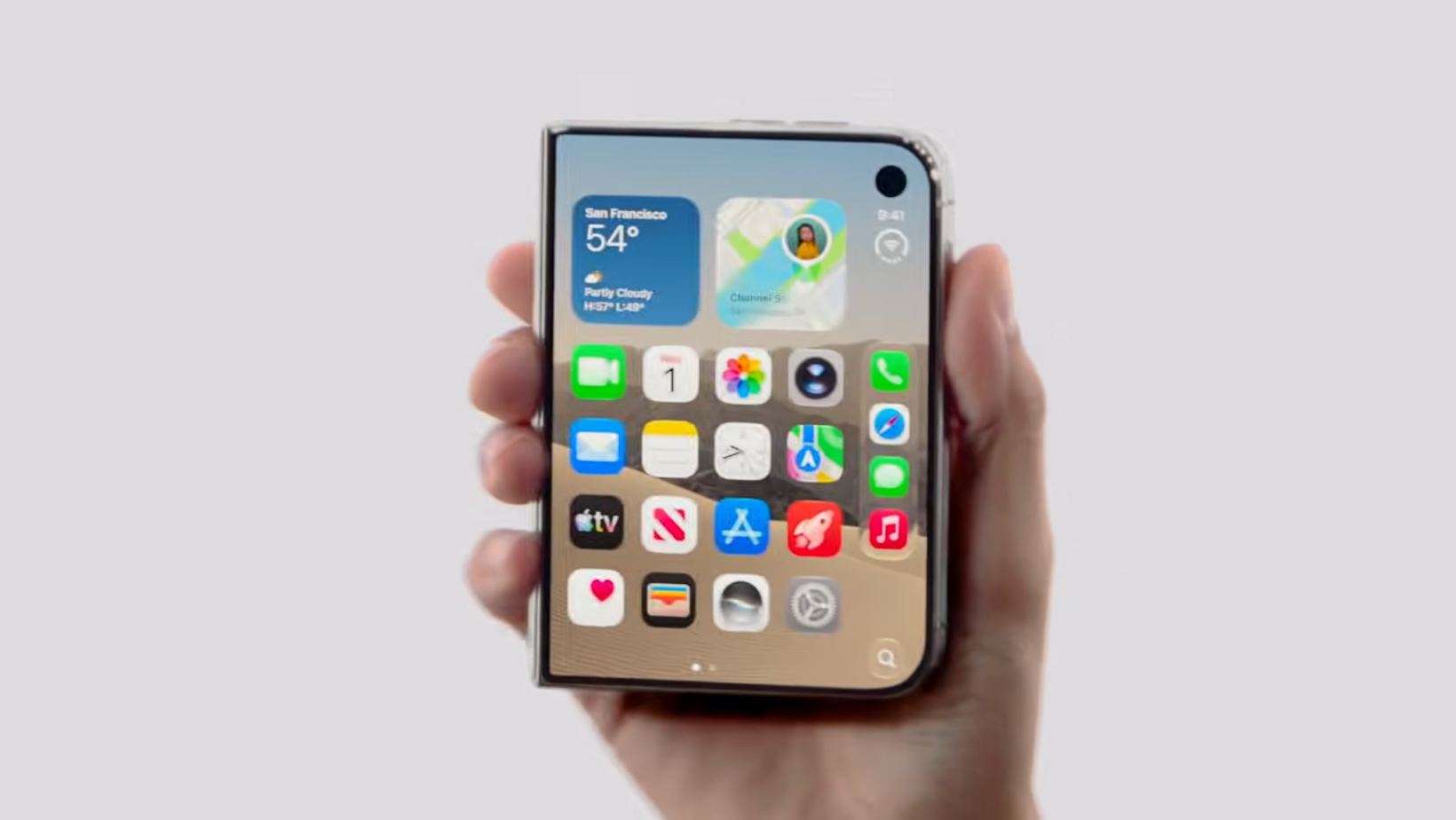
Apple officially calls it iPhone Duo, a book-style phone with a 5.4-inch outer display and a 7.6-inch folding screen inside.
The idea behind Duo is pretty simple. Closed, you have something closer to a normal phone. Open it, and you get a much larger canvas without carrying a separate tablet. That second screen is the entire reason this thing exists.
One phone, two screens
The outer 5.4-inch screen handles the quick stuff: messages, calls, maps, music, and whatever else you’d normally do without thinking about it.
Open the Duo, and the 7.6-inch OLED inner display gives you much more room for reading, video, editing, documents, and putting more than one app on screen. Apple is also bringing Split View and other layouts designed around the larger canvas.
That could make things like checking a calendar beside an email, using Maps next to Messages, or watching something while taking notes much more practical.
Software is going to decide a lot of this for me. Apple can optimize its own apps. The bigger test will be how third-party apps behave once people are using Duo every day.
It barely weighs more than Pro Max
Duo weighs 254 grams, and the iPhone 18 Pro Max weighs 249 grams.
A five-gram difference is surprisingly small considering how much extra screen you get when Duo is open. That doesn’t tell me how the phone feels in a pocket or how awkward it is to hold one-handed, though.
Weight on a spec sheet and weight attached to a folding object are two different experiences.
The hinge is the big mystery
Apple says Duo’s hinge uses more than 100 components designed to control the opening and support the center of the display. What Apple doesn’t publish is an official fold-cycle rating.
That’s one of the numbers I’d want before making any big claims about long-term durability.
When can you buy iPhone Duo?
Preorders begin October 16, with availability starting October 23. That’s the foldable iPhone release date that matters if you’re planning to buy one rather than simply following the announcement.
That price tag stings
Apple has confirmed a £1,999 starting price in the UK for 256GB, with regional pricing varying. That immediately puts Duo in a very different buying category from a normal iPhone.
At this price, I think the folding screen needs to do more than look cool during the first week. It needs actual jobs to do. If most of my phone use happened comfortably on a normal display, I’d find it difficult to justify spending this much for a larger one that folds.
The inner screen steals the show
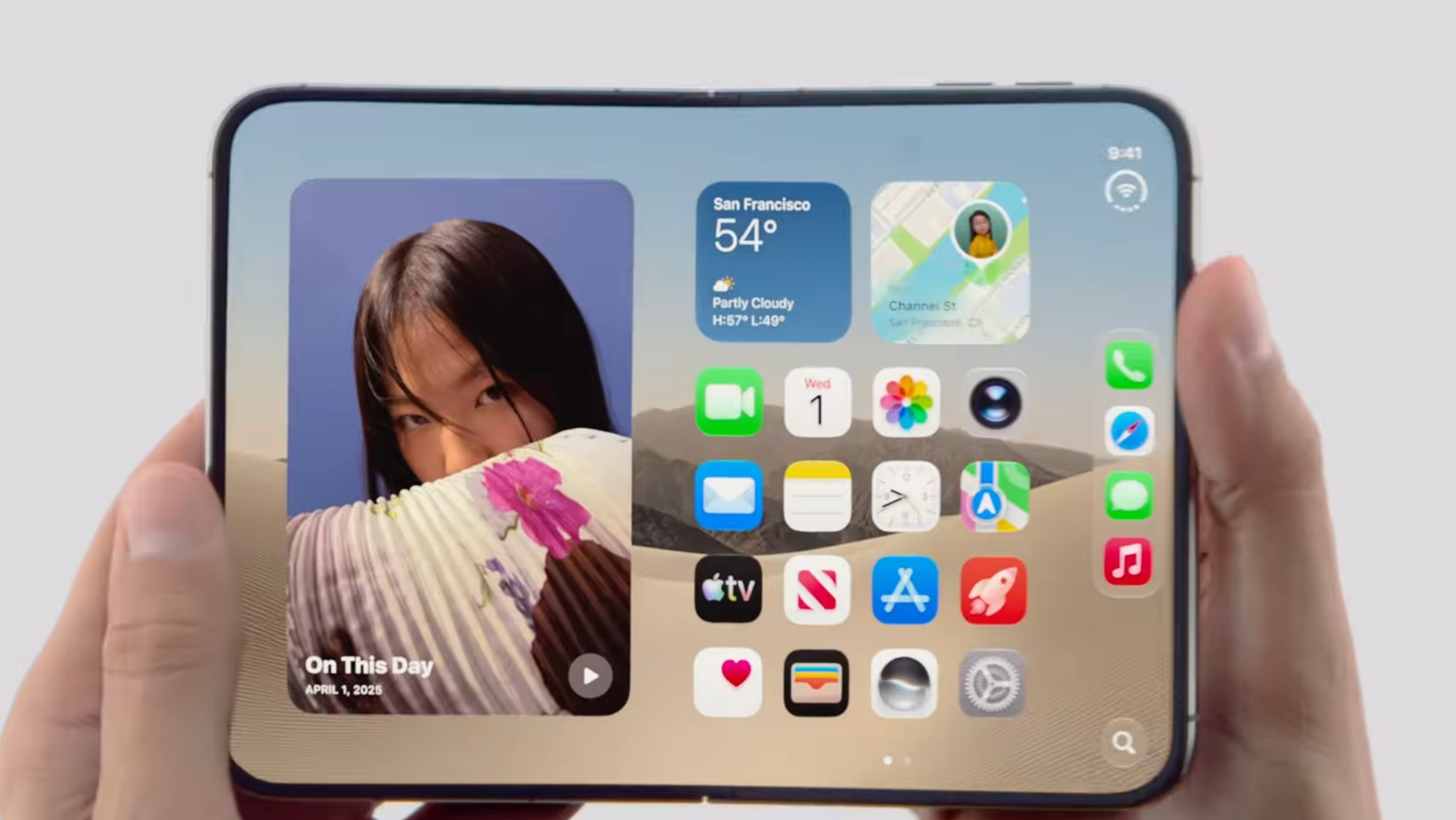
The hinge gets all the attention, but the 7.6-inch display is the reason I’m interested in Duo. A folding mechanism without a reason to unfold it is basically a very expensive party trick.
Multitasking finally fits
Running two apps beside each other on a normal phone tends to sound better than it feels. Seven and a half inches gives that idea more room.
You could have a webpage open while writing notes, keep your calendar visible next to an email, or reference a document while replying to someone.
That’s where I think Duo has the potential to feel different rather than simply bigger.
Hands-free gets easier
The folding design also makes hands-free use more practical. A kickstand case can hold the phone at different angles for video, calls, recipes, desk use, or watching something without balancing a $2,000 phone against a coffee mug.
Apple already has the iPhone Duo Folio with Kickstand, while the iPhone Duo Case gives you a more conventional protection option.
I’d give cases more attention here than I normally would in an announcement article. You’ve got a hinge, two displays, and a much larger purchase price to protect.
Pencil support is on the way
Apple has confirmed support for the Apple Pencil (USB-C), although it says compatibility is coming later in 2026 rather than being available at launch.
That gives the larger inner display another job. Marking up screenshots, signing documents, jotting down notes, or making quick edits makes much more sense to me on 7.6 inches than it ever did on a standard iPhone.
That could push Duo closer to some of the lighter jobs people normally hand off to an iPad.
Touch ID makes a comeback

One of the more surprising changes for me is authentication. Duo uses Touch ID in the side button rather than Face ID.
Folding changes authentication too
On a normal iPhone, Face ID makes perfect sense because the cameras are almost always pointing toward you.
Duo could be closed, open, sitting on a desk, partially folded, or held at some strange angle while you’re using the inner screen.
Putting a fingerprint sensor in the side button gives Apple one authentication method that works across those positions. I wouldn’t call that an upgrade or downgrade yet.
Some people will love the return of Touch ID. Others will wonder why their $2,000 iPhone no longer unlocks by looking at it.
The Duo's camera trade-off
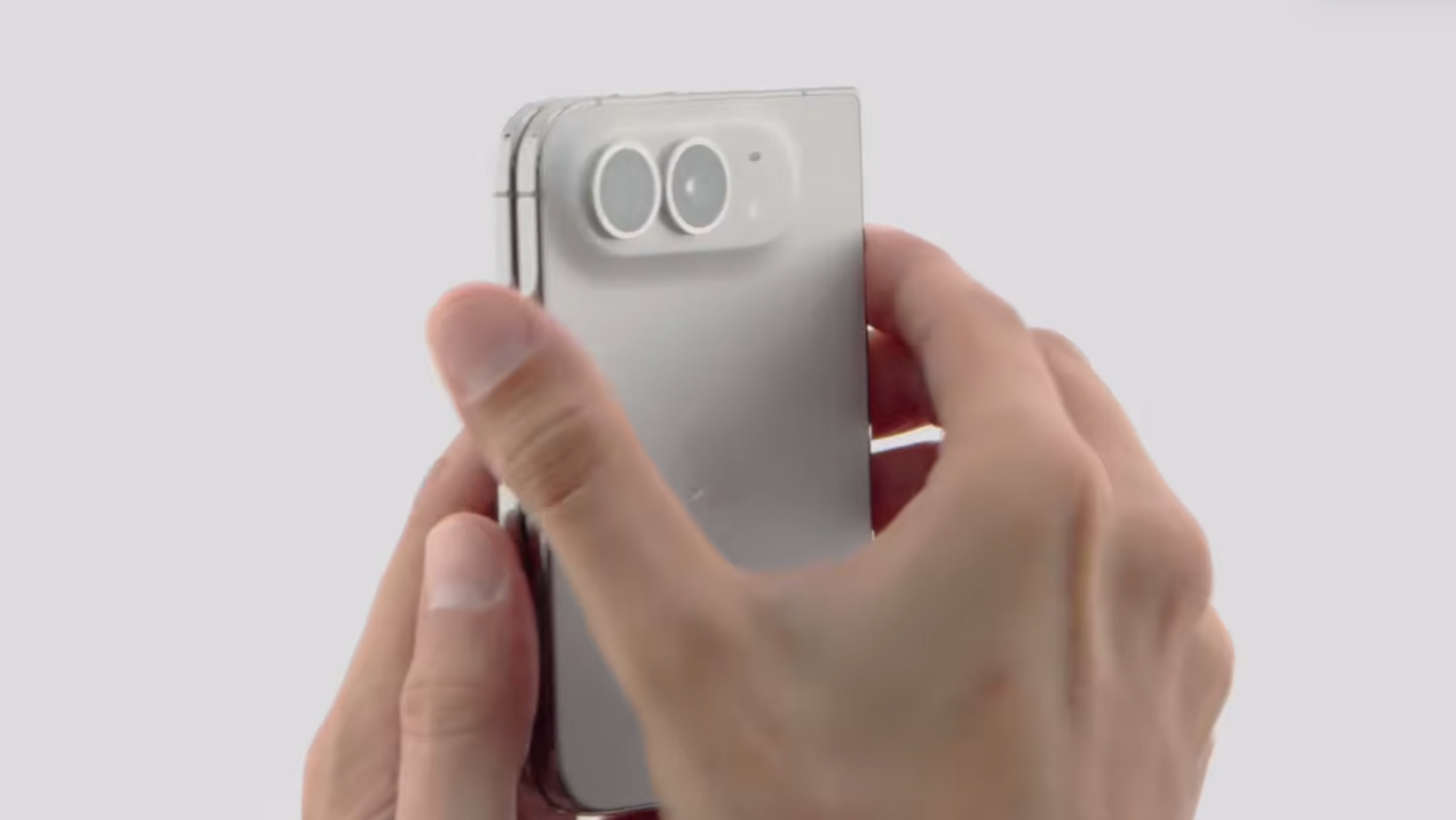
The Duo has a 48MP Main camera and 48MP Ultra Wide. What it doesn’t have is the dedicated longer-range Telephoto hardware you get on the iPhone 18 Pro Max.
That gives the two phones very different camera priorities.
Camera tricks only a foldable can do
Duo can use its outer display while you’re shooting with the rear cameras. That means the person being photographed can see framing while you use the better rear cameras instead of relying on the front camera.
Apple has built several features around that second-display setup, including Duo Preview and other camera modes designed specifically for the folding form.
That interests me more than another tiny megapixel argument because it changes how I could use the cameras.
You lose the Pro Max reach
The trade-off is zoom. The iPhone 18 Pro Max has dedicated Telephoto hardware that Duo doesn’t.
If I shot a lot of concerts, events, travel, sports, or anything else where I couldn’t physically get closer, I’d pay attention to that hardware difference.
My iPhone 18 Pro camera article goes deeper into what Apple changed on the Pro camera system.
New angles for creators
A phone that can partially fold can prop itself up in ways a slab phone can’t. That could be handy for time-lapses, video calls, self-recording, product shots, or any situation where you'd normally reach for a stand.
I’d still want a proper mobile tripod when I needed height or more control. Something like the ShiftCam SnapStand Max Full Height Mobile Tripod gives me that option without building a full camera rig every time I want a stable shot.
The real question is how often Duo's own folding positions are good enough to leave the tripod in the bag.
Battery life gets complicated
A normal iPhone already makes battery testing messy. Duo adds another variable because it has two very different displays. Apple rates the phone for up to 44 hours of video playback using the outer display and up to 31 hours using the inner display.
Those are Apple ratings under Apple’s test conditions, not a prediction for my normal day.
The inner screen drinks more power
Using the 7.6-inch screen all day is a different job from occasionally checking the smaller outer display. Someone who mostly keeps Duo closed could have a very different experience from someone constantly opening it for video, multitasking, editing, or games.
That’s why I wouldn’t reduce Duo battery life to one number.
Charging stays simple
Apple says Duo can reach up to 50% charge in around 20 minutes with the appropriate setup. For wired charging, Apple’s 40W Dynamic Power Adapter with 60W Max is the obvious first-party option.
A spare 60W USB-C Charge Cable is also handy if I want one permanently living in a travel bag or at my desk rather than constantly moving the same cable around the house.
There’s nothing glamorous about carrying an extra charger. It becomes much more appealing when the phone costs this much, and I’m using the inner display for hours.
MagSafe makes the cut
Moving to a foldable iPhone doesn’t mean I’d need to rebuild every accessory setup around it. Duo still supports MagSafe accessories.
Your wallet and charger survive
If you already use magnetic charging at a desk or bedside table, the Apple MagSafe Charger remains an easy option.
The iPhone FineWoven Wallet with MagSafe also keeps the familiar magnetic-wallet setup for anyone who uses their phone as half wallet, half computer, and apparently now half tablet too.
My iPhone 17 accessories guide has more options if you’re building out the rest of your iPhone setup.
Your other Apple gear comes along
The rest of the ecosystem doesn’t suddenly change because the phone folds. If you're already using Apple audio gear, AirPods 5 still fit into the same setup for calls, video, travel, and whatever you're doing on that larger screen.
That sounds obvious, but it’s part of what makes Apple entering foldables more compelling to me. Duo is dropping into an ecosystem people may already have rather than asking them to rebuild around an entirely new category.
What we still don't know
Specs tell me what a product can do on paper. They’re much worse at telling me what living with it feels like.
There are still several big questions I’d want answered before treating Duo like an established iPhone rather than Apple’s first folding iPhone experiment.
Will the hinge hold up?
Apple has described how the hinge is built but hasn’t published an official fold-cycle figure. I want to know what it feels like after thousands of opens and closes, not ten minutes at a launch event.
The crease durability after six months
In a short launch-event hands-on, The Verge described the crease as difficult to feel. That’s encouraging, but it tells me about a brand-new demo unit. Months of folding, dust, fingerprints, heat, pockets, and normal wear are a different test.
Battery life in everyday use
Those outer-screen and inner-screen ratings are helpful reference points, but the real test is what happens when somebody bounces between both displays all day. That’s a much more realistic Duo workload.
Apps on the big screen
Apple can make its own apps behave beautifully. The question for me is what happens when I open the third-party app that hasn’t thought about a folding screen yet.
These are the things I’d want to test before telling anyone this is a $2,000 phone they should rush out and buy.
How does Duo compare with Pro Max?
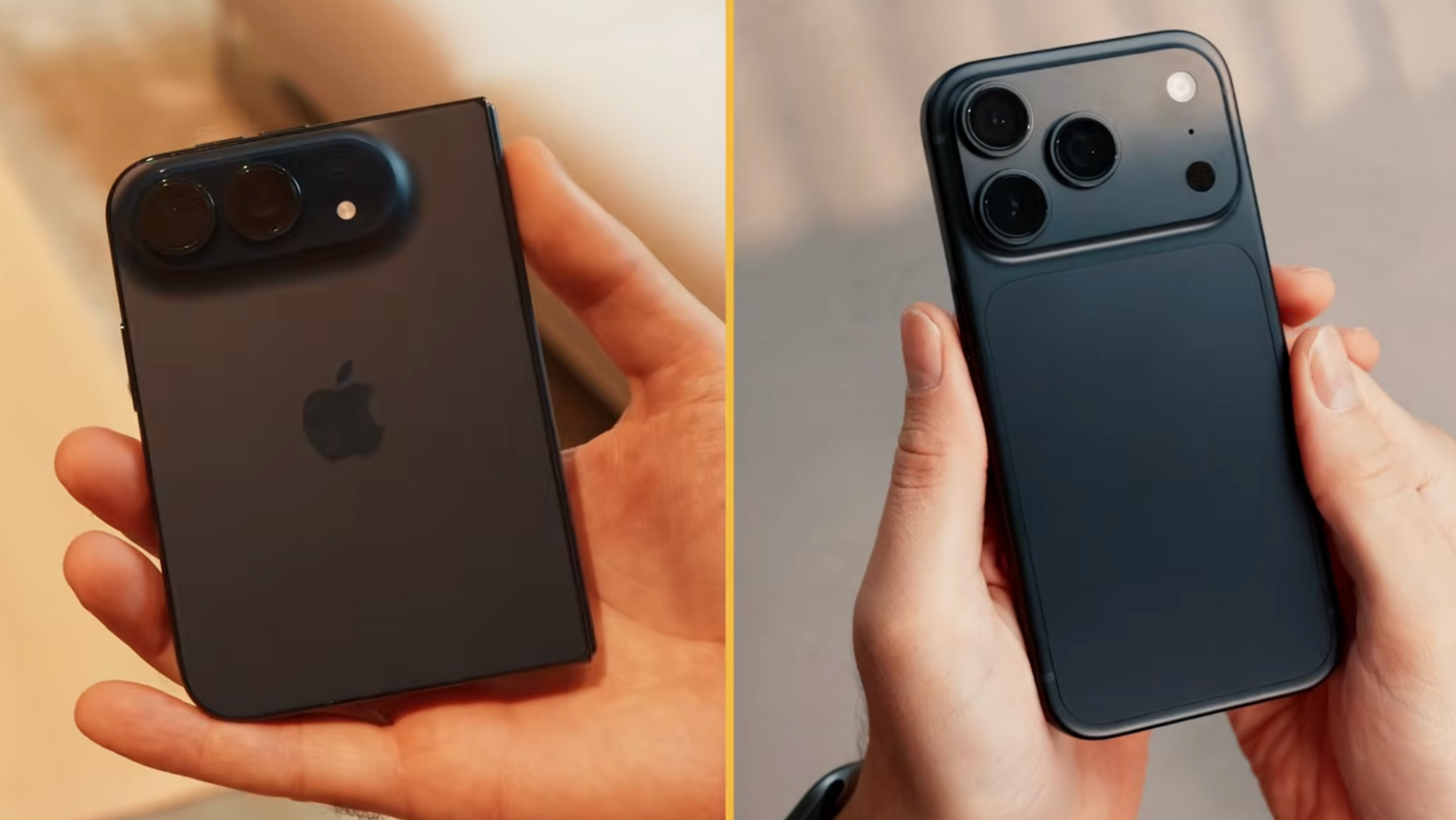
Duo and the iPhone 18 Pro Max share plenty of Apple DNA, but they're trying to solve different problems.
Duo is about the screen
For me, the case for Duo is the larger workspace. If I regularly read long documents, watch video, edit, multitask, or wish my iPhone had more room without carrying an iPad, that’s the reason I’d pay attention.
Pro Max keeps crowd favorites
The Pro Max sticks with a conventional design, Face ID, and a more flexible Telephoto setup. If I were primarily interested in photography or simply didn’t have a job for the folding display, I’d probably find that much easier to live with.
The weird iPhone is coming
Apple has spent years refining the same basic smartphone shape. Duo is the first new iPhone in a while that genuinely asks me to use the device differently.
What happens after a week of living with the inner screen is worth far more than staring at another spec table.
Does the larger display start replacing things I’d normally reach for an iPad or laptop to do? Do I naturally open it throughout the day? Or does the novelty wear off while most of my life happens on the smaller outer screen?
I’ve already experimented with forcing lifelong iPhone users to live with a foldable, and that experience is part of why I’m curious to see what Apple does differently with Duo.
The bigger test for an Apple foldable phone is whether that inner display changes enough of my daily behavior to justify the extra cost and complexity.
This Apple foldable iPhone looks promising. Now it needs to prove that opening the phone changes enough to justify the price.
For more real-world tech experiments and buying decisions, you can join my Experiments in Progress newsletter.
Frequently asked questions
Here are the quick answers to some of the biggest questions around Apple’s first folding phone.
What is Apple’s foldable iPhone called?
Apple calls it iPhone Duo. It’s the company’s first book-style folding iPhone, with an outer display and a larger folding screen inside.
When is the foldable iPhone release date?
Preorders begin October 16, 2026, with availability starting October 23. Regional preorder times and availability may vary.
How big is the iPhone Duo display?
iPhone Duo has a 5.4-inch outer display and a 7.6-inch inner folding display. Both support ProMotion refresh rates up to 120Hz.
Does iPhone Duo have Face ID?
No. iPhone Duo uses Touch ID built into the side button instead of Face ID.
Does iPhone Duo support Apple Pencil?
Yes, but not at launch. Apple has confirmed support for Apple Pencil (USB-C) and says the feature is coming later in 2026.
