


Apple’s Pro iPhones have reached that stage where they can look almost identical to last year’s phones right up until you start digging into the details. And with the iPhone 18 Pro, there are a few changes that deserve more attention than the usual “new chip, better camera” launch-day checklist.
The big one is the camera. Apple has added a variable aperture to the 48MP Main camera, giving photographers and video creators more control over how a shot looks before software gets involved. There’s also the new A20 Pro chip, updated cooling, more manual camera controls, and stronger battery claims, especially on the iPhone 18 Pro Max.
The tricky part is working out which upgrades will make a difference to you. The Pro and Pro Max share a lot of the same hardware, so spending more doesn’t automatically get you a better phone.
So, here's what changed, what both phones have in common, and where the Pro Max could still be worth the extra size and cost.
So, what’s new with iPhone 18 Pro?
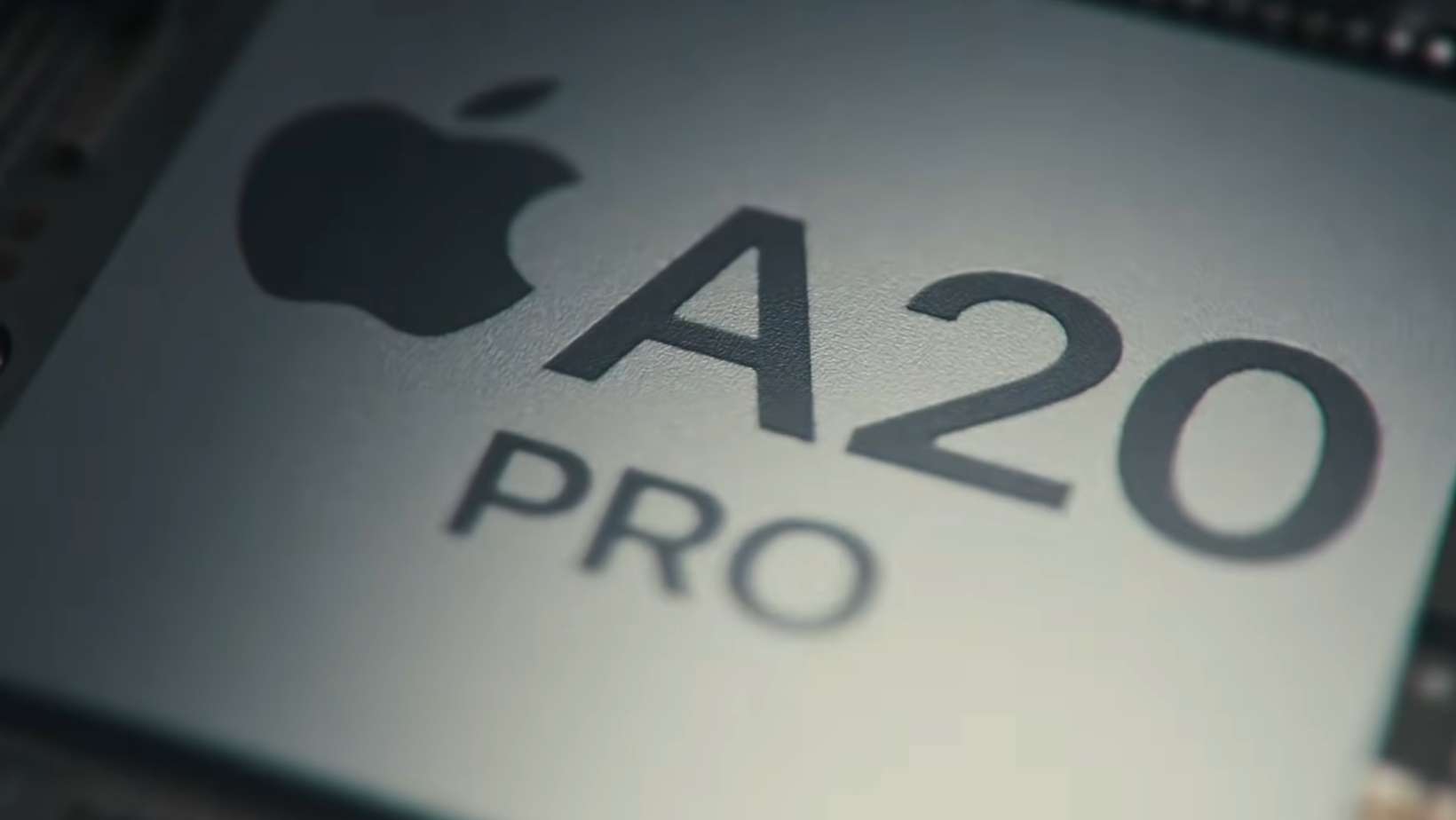
The iPhone 18 Pro adds an A20 Pro chip, a variable-aperture Main camera, more manual camera controls, and a redesigned thermal system.
Apple announced both Pro models on September 9, with availability beginning September 18. My pre-launch Apple September event coverage is a useful snapshot of which rumors survived contact with the keynote.
Camera control goes manual
The 48MP Fusion Main camera can switch between ƒ/1.48, ƒ/1.8, ƒ/2.8, and ƒ/4.0. That gives you more physical control over light and depth of field before computational photography gets involved.
Apple can handle aperture automatically too, so you don’t need to start thinking like a photographer every time you take a picture of your lunch.
Say hello to the A20 Pro
Both phones use the A20 Pro, built on a 2nm process with a 6-core CPU, 7-core GPU, and dual 16-core Neural Engine. Apple has paired it with a next-generation vapor chamber designed to improve sustained performance.
Better cooling could be more useful than another giant benchmark number. Flagship phones are already ridiculously fast for normal use, so the bigger question for me is how well that speed holds up during gaming, editing, or longer recording sessions.
Battery gets more juice
Apple is making a bigger battery claim this year, particularly for Pro Max. Official playback ratings vary by model and region, so I’d treat them as reference numbers rather than a promise of normal battery life.
Tom’s Guide recorded 16 hours and 17 minutes for the iPhone 18 Pro and 18 hours and 27 minutes for Pro Max in its 5G web-surfing test. Those are its results under a specific test method, not my results.
If battery anxiety is already part of your day, a magnetic backup such as the UGREEN MagFlow 10,000mAh Qi2 25W Power Bank can also make more sense than upgrading purely to chase another hour or two.
Picking between the iPhone 18 Pro and iPhone 18 Pro Max
Most of the hardware that makes this generation interesting is shared, which makes this a much simpler decision than Apple’s product names might suggest.
Is bigger better?
The Pro Max gives you a 6.9-inch display instead of 6.3 inches, but it also weighs 249g compared with 211g for the Pro. Thirty-eight grams doesn’t sound dramatic on paper. You may feel it after holding the phone one-handed for half an hour.
The bigger screen is useful for video, gaming, editing, and checking footage. If you want a powerful phone that’s easier to carry, the smaller Pro keeps the same processor and camera system in a lighter package.
The Max's battery edge
The larger model has the stronger official battery rating, and early independent testing points in the same direction. That’s probably the best argument I can see for carrying the bigger phone if battery life sits high on your list.
A playback rating still isn’t a normal day of camera use, GPS, messaging, calls, social apps, and hotspot use. I’ll go deeper into battery life in the dedicated guide.
The cameras are mostly a tie
Apple lists the same core Pro Fusion camera system across both models. The bigger phone doesn’t give you a separate camera tier simply because it costs more.
My full Pro vs Pro Max comparison will go further into the size, battery, and price tradeoffs.
The iPhone 18 Pro camera puts you in the director's chair
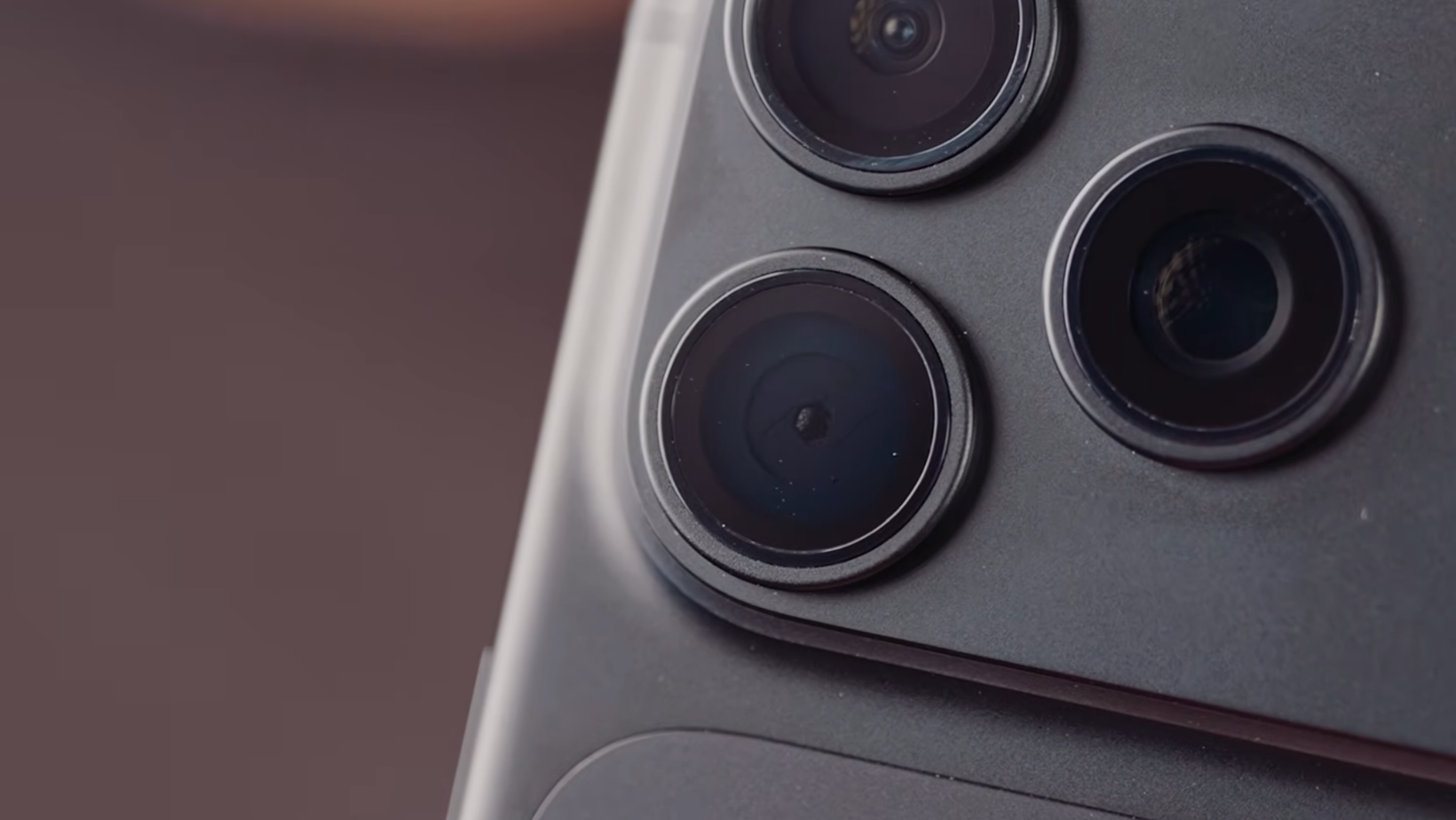
The camera is where this generation gets more interesting for me because Apple is adding controls that change how you shoot instead of hiding every decision behind software.
Variable aperture lands on the Main camera
A wider aperture lets in more light and can create shallower depth of field. A narrower aperture can keep more of a scene in focus and gives you another option in bright conditions.
The important limitation is that variable aperture applies to the Main camera. The Ultra Wide and Telephoto cameras don’t get it. Apple’s technical specifications confirm the variable-aperture system on the 48MP Fusion Main camera.
Zoom gets fancy
Apple describes the longer reach as “8x optical-quality zoom.” That doesn’t mean there’s a native 8x optical lens hiding inside the phone. Apple is using its sensor and processing to produce what it calls optical-quality results at that framing.
It’s a small distinction, but it’s exactly the kind of thing I see getting inflated once it lands in a comparison chart.
A new toy box for video creators
Creators get more direct control inside Apple’s Camera app, including shutter speed, white balance, focus, and aperture. Apple is also pushing ProRes RAW, Apple Log 2, and expanded video tools.
If most of your videos are family clips and the occasional vacation montage, you probably won’t touch half of this. For YouTube, social content, client work, or short films, having more control inside the native camera app could be genuinely useful.
If you’re filming regularly, storage and mounting gear become part of the setup too. The SanDisk Creator Phone SSD gives phone footage somewhere else to go, while the ShiftCam SnapStand Max Full Height Mobile Tripod is useful when you want a stable shot without building a giant rig.
Get more details on the iPhone 18 Pro camera with my deep dive.
Storage gets expensive fast
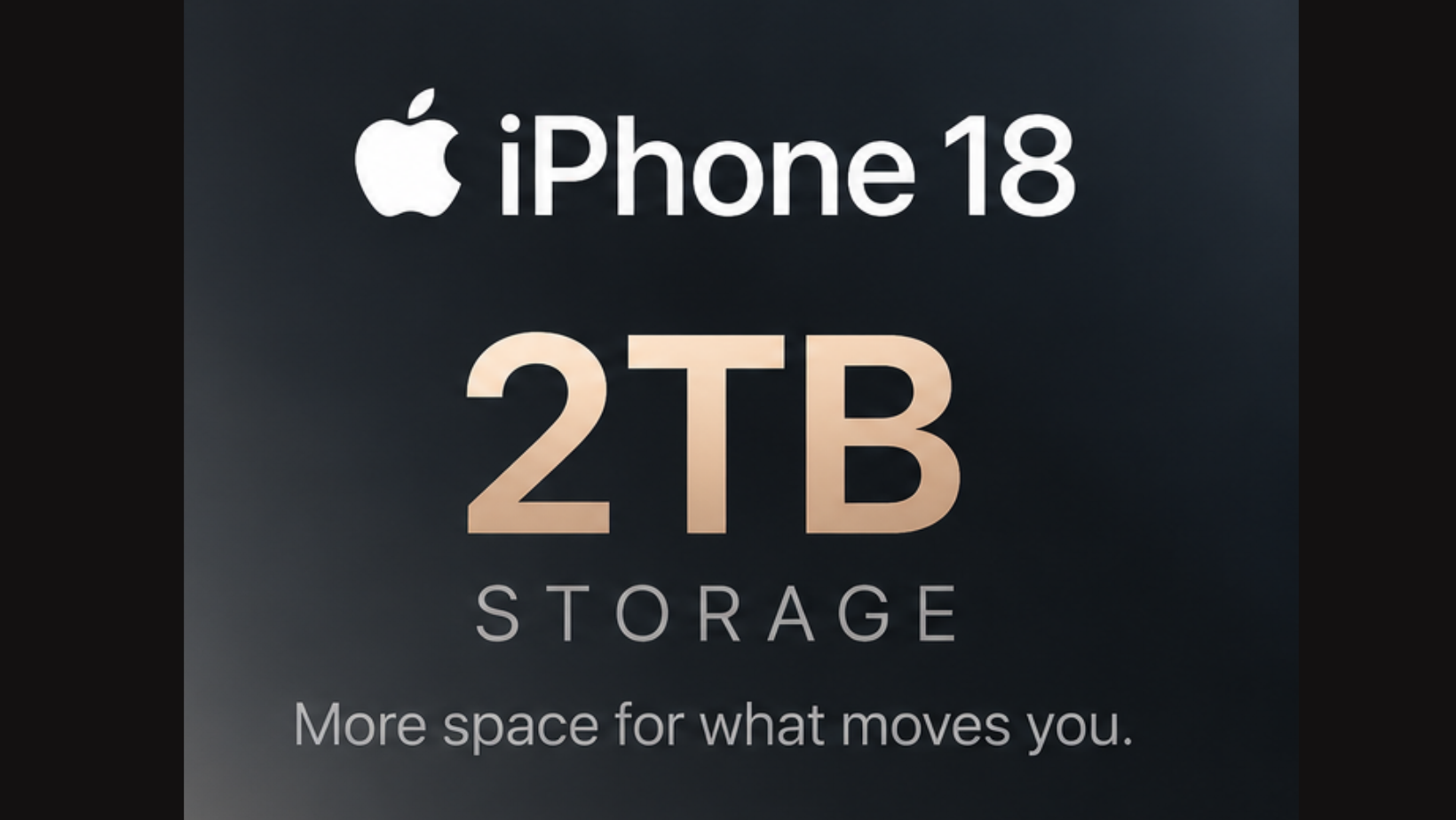
Both phones start at 256GB and go up to 2TB.
256GB is great for most people
If your photos mostly live in the cloud and you stream most of your media, 256GB gives you plenty of room for a normal mix of apps, photos, games, and downloads.
Creators will burn through storage
ProRes, RAW photos, high-resolution video, and editing projects can chew through storage quickly. If you transfer footage off the phone often, 256GB or 512GB may still work. If the phone becomes a serious camera and editing device, 1TB or 2TB starts making more sense.
In the U.S., Apple starts the Pro at $1,199 and Pro Max at $1,299, with pricing varying by market. If you finance the phone, I’d compare the total cost and fees rather than focusing on the monthly number. The FTC’s payment guidance explains some of the extra costs that can come with pay-later plans.
A multi-device charger can also save you from buying another dedicated brick. The UGREEN Nexode 65W 3-Port Charger is one useful option if your phone, laptop, and other USB-C gear regularly compete for outlets.
Don’t buy the spec sheet
The iPhone 18 Pro specs also include Wi-Fi 7, Bluetooth 6, USB-C, IP68 water and dust resistance, new finishes, a smaller Dynamic Island, and the latest Apple Intelligence and Siri AI features.
Some of those details will matter to specific people. Most wouldn’t decide which phone I’d buy.
Siri AI is rolling out in beta, with availability varying by language, region, and feature. I wouldn’t treat every launch demo as something every buyer will have in exactly the same form on day one.
My iPhone 17 buyer’s guide is useful context if you’re coming from last year’s lineup because it shows how much of the buying decision already came down to paying for features you’d genuinely use.
Is the iPhone 18 Pro worth the upgrade this year?
I don’t think there’s one useful answer for every iPhone owner. Your current phone changes the calculation.
Upgrading from iPhone 17 Pro
This is the hardest sell for me.
You’re getting variable aperture, new camera controls, A20 Pro, updated cooling, battery improvements, and newer software features. Those are real changes, but you’re still replacing a one-year-old iPhone 17 Pro with a strong camera and years of software support ahead of it.
If the camera controls solve a specific problem for you, that could be enough. For everyone else, waiting another year is pretty easy to defend.
Upgrading from iPhone 16 Pro or older
Move back another generation or two, and the list gets longer.
Several years of camera updates, chip improvements, battery changes, software features, and creator tools give the upgrade much more room to feel different in normal use.
If you’re carrying an iPhone 16 Pro, the decision also becomes less about replacing one brand-new feature with another and more about stacking several generations of improvements together.
Moving up from a standard iPhone
I think the Pro line makes the most sense if you’ll use the things you’re paying extra for.
The camera system is more flexible, the video tools are deeper, and you get higher storage ceilings and more performance headroom. If you mainly text, browse, stream, and take casual photos, paying more because the word “Pro” sounds better is an expensive hobby.
Thinking about leaving Android?
Switching from Android comes with a much bigger headache than comparing two spec sheets.
Changing platforms affects messaging, photos, accessories, passwords, watches, earbuds, and the rest of your setup. I think the Pro can be a very capable way into Apple’s ecosystem, but I’d give the ecosystem itself as much thought as the camera hardware.
The iPhone 18 Pro Max hasn’t convinced me (yet)
The Pro and iPhone 18 Pro Max share most of the hardware that makes this generation interesting. For me, the larger model makes its strongest case through screen size and battery headroom, while the smaller Pro gives you nearly the same core hardware in a phone that’s lighter and easier to handle.
The camera may end up being the most interesting part of this generation once there’s more real-world testing around variable aperture and Apple’s manual controls. I’ll be digging into that, battery life, pricing, and the full Pro-versus-Max decision in separate guides.
If you like these kinds of real-world tech experiments and buying decisions, you can join my Experiments in Progress newsletter to follow what I’m testing next.
Frequently asked questions
When did the new Pro come out?
The iPhone 18 Pro release date was September 18, 2026, following Apple’s September 9 announcement and September 12 preorder date.
What’s different about Pro Max?
The larger model has a 6.9-inch display, weighs more, and carries the stronger battery rating. The core chip and rear camera system are shared with the smaller Pro.
Does iPhone 18 Pro have variable aperture?
Yes. It has four aperture settings on its 48MP Fusion Main camera, but variable aperture doesn’t apply to the Ultra Wide or Telephoto cameras.
Is the Pro Max camera better?
No. Apple lists the same core Pro Fusion camera system, including the same Main, Ultra Wide, and Telephoto hardware, on both the Pro and Pro Max. There's no hardware difference that makes the larger phone a better camera phone, though independent side-by-side testing between the two models is still limited.
Is the upgrade worth it?
The case for upgrading is stronger for people coming from an older iPhone than for those already holding a recent Pro model. Camera controls, battery gains, and the A20 Pro chip can be compelling reasons to upgrade, but a one-year upgrade is harder to justify on specs alone.
