


After years of incremental updates, LG is making real moves with a second-generation Tandem OLED panel, a revived Wallpaper TV, and a new RGB Mini LED model that might compete with OLED.
I've been following LG's OLED lineup for years, and this year's changes announced at CES are worth paying attention to.
Intrigued? Here's my breakdown of what's great, what's disappointing, and what's still unclear about the LG OLED 2026 lineup.
The Hits: What LG Got Right
For all the eye-rolling I’ve done over confusing model names and panel lotteries, LG absolutely nailed some things this year. There are real, tangible upgrades here that got me genuinely excited about OLED again.
Let’s take a look.
LG G6: 20% Brighter and Better in Bright Rooms
The LG G6 is the flagship for 2026, and it's getting a second-generation Primary RGB Tandem OLED panel. LG claims the G6 is “20% brighter” than the G5, which was already one of the brightest OLED TVs available. That's a significant jump, especially for a technology that's been criticized for stagnating in recent years.
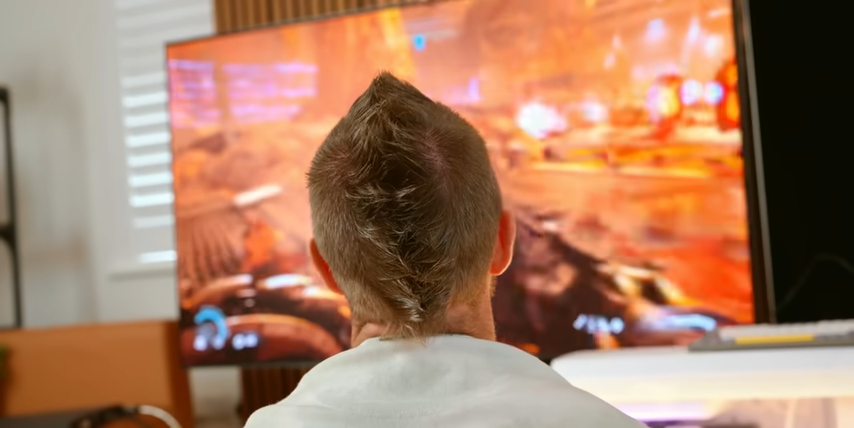
The brightness boost is part of what LG calls "Hyper Radiant Color Technology," which also includes better performance in ambient light. LG says the G6 can produce blacks deeper than 0.24 nits in a room with 500 lux of ambient light, thanks to a new anti-reflective coating that reduces reflections to less than 0.5 percent.
I haven't tested the G6 yet, but if those claims hold up, this could be a real improvement for people who watch TV in bright rooms. OLED has always struggled with reflections and maintaining contrast in ambient light, and a coating that reduces reflections to 0.5 percent would be a noticeable upgrade.
The G6 also gets LG's new Alpha 11 Gen 3 processor, which promises better upscaling for sub-4K content. That matters a lot more than you might think, as most streaming content is still 1080p or lower, and good upscaling can make a huge difference.
LG W6: The Wallpaper TV Is Back
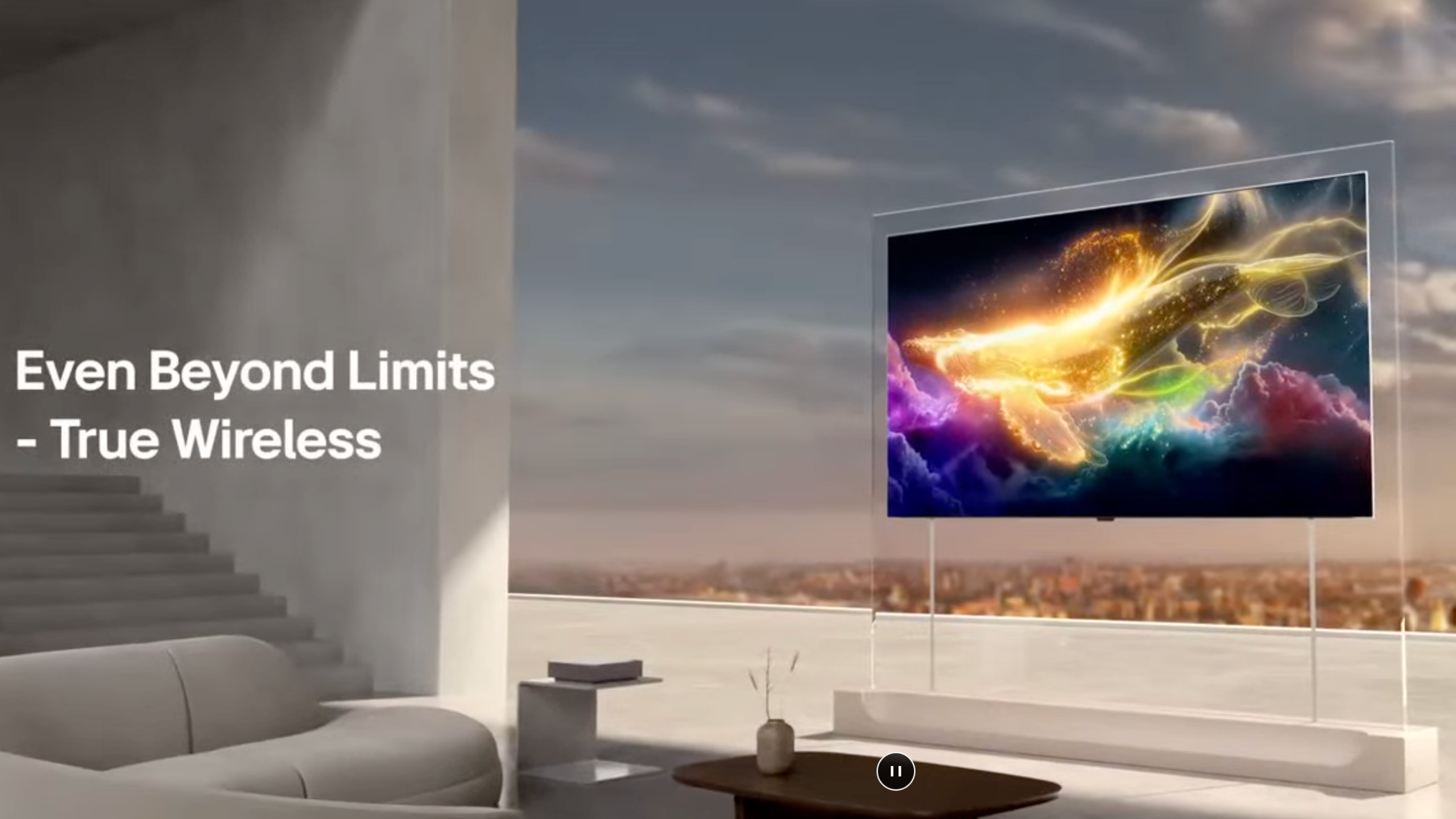
LG revived the Wallpaper TV after five years, and the W6 is a more elegant solution than the original series. The TV is only 9mm thick, which isn't as thin as the original W7 (2.57mm), but it's still impressively slim.
The W6 uses a Zero Connect box, which is a wireless hub for all your HDMI inputs. All you have to do is plug your devices into the Zero Connect box, and it wirelessly transmits video and audio to the TV. The only cable connected to the TV is the power cable, and the Zero Connect box is small enough to fit in a drawer, so you can hide it out of sight.
This is a much better design than the original Wallpaper series, which bundled all the technology and connections into a large soundbar. The W6 gives you a clean, cable-free look without sacrificing functionality.
LG C6H: Tandem OLED Finally Comes to the C-Series
The C-series is LG's most popular OLED lineup, and the C6H is bringing Tandem OLED technology to the 77" and 83" sizes. This is the first time Tandem OLED has been available outside the flagship G-series.
The C6H also gets the Alpha 11 Gen 3 processor, the same flagship chip used in the G6. That means better upscaling and processing, even if the panel isn't quite as advanced as the G6's.
The downside is that Tandem OLED is only available on the 77" and 83" C6H models. The 42", 48", 55", and 65" C6 models still use standard WOLED panels. That's disappointing, as most people tend to buy 55" or 65" TVs.
LG is clearly testing the waters with Tandem OLED in the C-series. If the C6H sells well, we might see Tandem OLED across all C-series sizes in 2027 or 2028. But for now, it's locked behind the largest and most expensive sizes.
LG MRGB95: RGB Mini LED as an OLED Alternative
LG is also launching its first RGB Mini LED TV in 2026, and it's positioning the MRGB95 as a potential OLED competitor. RGB Mini LED uses red, green, and blue LEDs directly in the backlight system instead of filtering white light through an LCD or Quantum Dot layer. The idea is that without a filter, you get better brightness, contrast, and color coverage.
The MRGB95 uses LG's Alpha 11 Gen 3 processor, which is the first time LG's flagship chip has been used in a non-OLED TV. LG claims the MRGB95 covers 100 percent of the BT.2020, DCI-P3, and Adobe RGB color gamuts, which would be impressive if it holds up in testing.
The MRGB95 will be available in 75", 86", and 100" sizes. No pricing or detailed specs yet, but the large sizes suggest LG is targeting the high-end market.
The big question is whether RGB Mini LED can actually compete with OLED. Samsung, Sony, and Hisense have all experimented with RGB Mini LED, and the results have been mixed. It's brighter than OLED, but it doesn't have the same perfect blacks and infinite contrast.
I'm curious to see how the MRGB95 performs in practice. If LG can deliver OLED-like picture quality with higher brightness and no burn-in risk, RGB Mini LED could be a compelling alternative. But until I test it, I'm skeptical.
More: The Wildcards and Unknowns
Not every move in LG’s 2026 lineup is a clear win. Some feel experimental, and others raise bigger strategic questions. These are the areas where the marketing sounds confident, but we still need real-world testing, pricing, and long-term data before drawing conclusions.
Is LG Hedging Its Bets on OLED's Future?
LG has been the biggest advocate for OLED TVs for over a decade, so it’s interesting that the company is also investing in RGB Mini LED.
Yes, OLED has its limitations. It's not as bright as LCD or Mini LED, it has a burn-in risk, and it’s also expensive to produce. RGB Mini LED could be a way for LG to offer premium picture quality without those limitations.
However, I don't think LG is abandoning OLED anytime soon. The G6, W6, and C6H all use advanced OLED panels, and LG is clearly committed to pushing OLED forward. But the MRGB95 suggests LG is exploring alternatives in case OLED hits a ceiling.
Why Did LG Skip Dolby Vision 2?
This has been discussed a lot since the announcement, and I don't have a good answer for this. LG was one of the earliest advocates for Dolby Vision, and skipping Dolby Vision 2 seems out of character. Maybe there are licensing costs or technical challenges. Maybe LG thinks the improvements aren't significant enough to matter? Or maybe they plan to add it later via a software update.
Whatever the reason, it's a competitive disadvantage. If you're buying a premium TV in 2026 and you care about having the latest HDR technology, LG's omission of Dolby Vision 2 is a reason to look elsewhere.
Will Smaller C-Series Sizes Ever Get Tandem OLED?
The C6H brings Tandem OLED to the 77" and 83" sizes, but the smaller sizes still use standard WOLED. Will LG expand Tandem OLED to the 42", 48", 55", and 65" C-series models in 2027?
I think it's likely. LG is testing demand with the C6H, and if it sells well, the company will probably roll out Tandem OLED to more sizes next year. But that's speculation. For now, if you want Tandem OLED in the C-series, you have to buy a 77" or 83" TV.
Which LG OLED Should You Buy in 2026?
If you’re shopping around in 2026, here’s my simple breakdown of LG’s OLED 2026 lineup:
- Want the best LG OLED available? The G6 is clearly the flagship to watch.
- Care about design and a clean wall setup? The W6 is the statement piece.
- Want strong performance without flagship pricing? The C6H (especially in 77" or 83") could be the perfect balance.
- Curious about something brighter with no burn-in risk? Keep an eye on the MRGB95, but wait for reviews.
Personally, I’m most excited to test the G6 in a bright room and see if those anti-reflective claims hold up. If LG truly improved ambient light performance without sacrificing OLED’s contrast, that’s a big deal.
As always, specs are one thing. Measurements and real-world viewing are another.
I’ll be testing these as soon as retail units land. If there’s a specific model you’re considering, let me know, and I’ll prioritize it in my full reviews!
