


I know the exact frustration of buying a new smart bulb, taking it out of the box, and realizing it requires a weird third-party app and refuses to talk to the thermostat.
The SmartThings vs Google Home decision is the most important choice you make, because the platform dictates what hardware you can buy later. If you get the foundation wrong, you end up with a phone full of separate apps that don't work together.
Here is a breakdown of ecosystem support, automations, device compatibility, Matter, voice control, and ease of use to show which platform actually makes a house smarter.
SmartThings vs Google Home snapshot
Here’s a quick look at how the two platforms compare.
The quick verdict
SmartThings is the stronger choice for a household that wants conditional automations and devices across lots of brands. Google Home is the easier choice for people already using Nest, Android, and Google voice control. Matter multi-admin lets compatible devices live in both ecosystems, but device features still need checking before purchase.
Ecosystem support and device compatibility
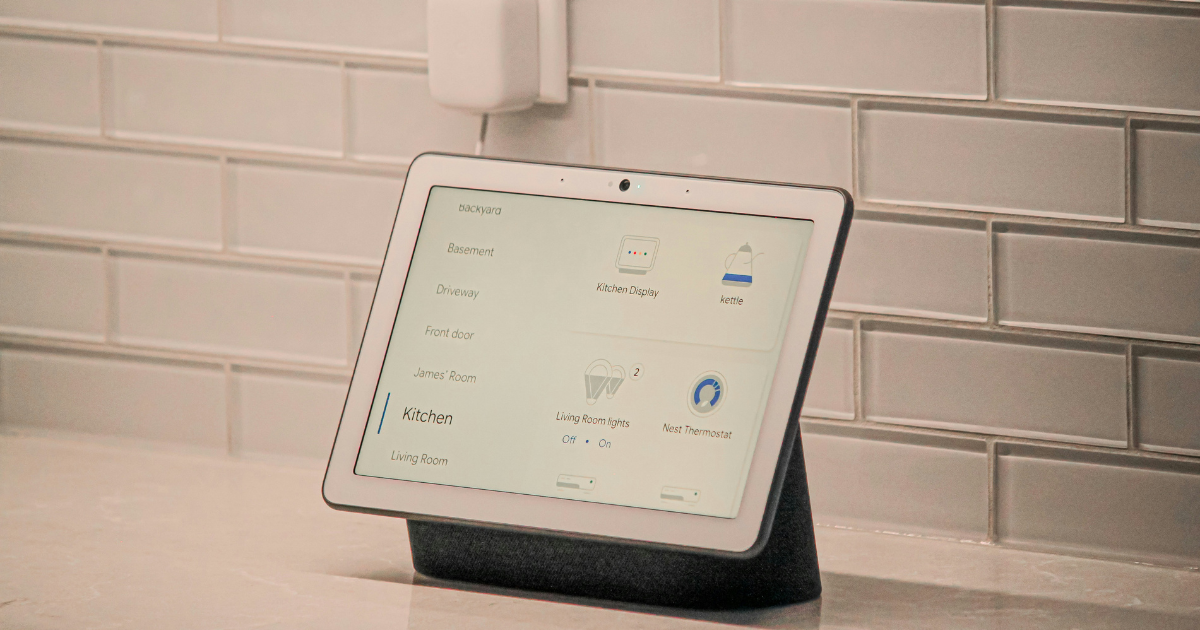
Neither platform supports absolutely everything on the market, but both cover the major brands. The SmartThings vs Google Home compatibility gap is closing, but they still handle third-party gear differently.
SmartThings
Samsung has built a massive ecosystem. If you look for the "Works with Samsung SmartThings" badge, you'll find it on almost everything. It's brilliant for pulling different brands, like Philips Hue, Ring, and Arlo, into one dashboard.
When I look at underrated smart home devices, SmartThings is usually the easiest way to make them talk to each other. Because it supports Zigbee and Z-Wave natively on its hubs, you aren't restricted to buying Wi-Fi devices that clog up your home network.
You can mix and match the cheapest sensors with premium lights, and the app will still treat them all as part of the same system.
Google Home
Google Home is slightly more restrictive but generally covers the essentials. It shines if you already use a Google Nest Cam (2nd gen), Google Nest Learning Thermostat (4th gen), or Google TV Streamer (4K).
If you live in the Google ecosystem, it feels completely native. However, Google relies heavily on Wi-Fi and cloud integrations for third-party devices. If your internet connection drops, many of your third-party lights and switches will stop responding until the connection is restored.
It's a fantastic system for beginners, but it requires a very strong Wi-Fi mesh network to run a house full of smart gear reliably.
Matter and Thread: the future of the smart home
Matter is supposed to fix the compatibility headache by letting devices talk to each other regardless of the brand.
SmartThings
Samsung has integrated Matter hubs into its newer hardware. Its SmartThings compatibility page says Q60-series or higher Samsung TVs released after 2022 include a built-in hub with Matter, Thread, and Zigbee support. If you need a dedicated hub to run the house, the Samsung SmartThings Station is a great option.
Google Home
Google uses its existing Nest hardware as Matter hubs. As the Google Home Matter setup requirements explain, you need a Matter-enabled hub, and Thread devices require a Thread Border Router. The Google TV Streamer (4K) and Nest Hub (2nd gen) both act as excellent Matter controllers.
Automations and routines
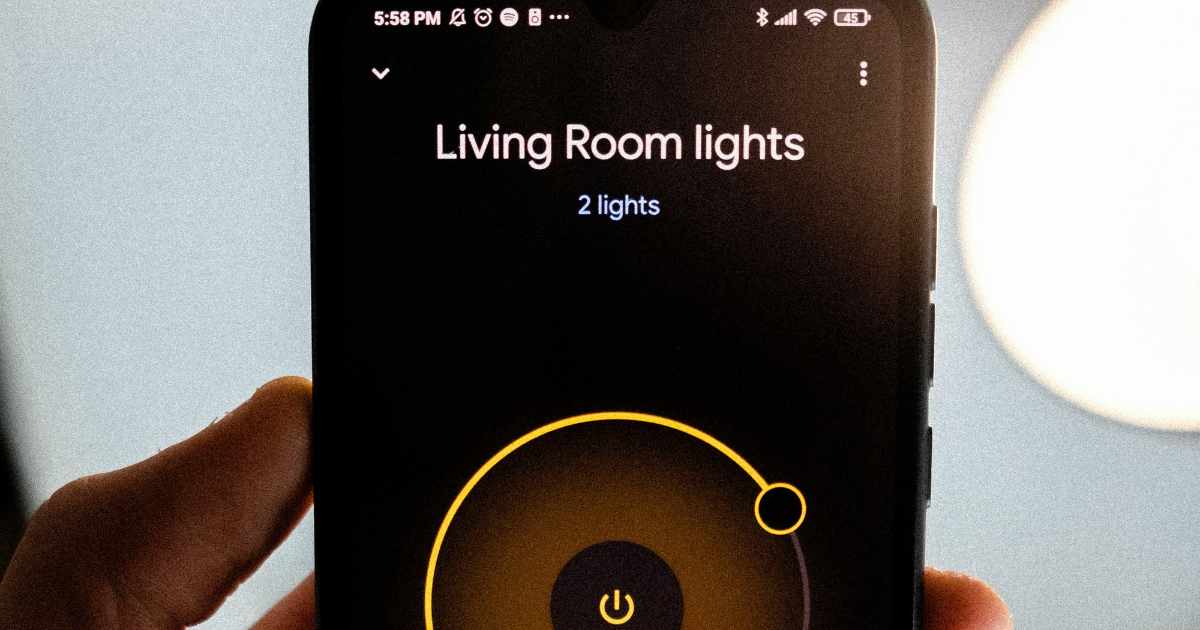
A smart home isn't smart if you still have to open an app to turn the lights on. The SmartThings vs Google Home automation comparison is where the two platforms really split.
SmartThings
SmartThings gives you more control here. It allows for complex "If This, Then That" routines with multiple conditions. You can set a rule that turns off the heating, locks the door, and arms the alarm only if both your phone and your partner's phone have left the geofence, and only if it's after 9:00 AM.
You can also stack actions with delays, so the lights slowly dim over thirty minutes before turning off completely. If you want your house to anticipate what you need without you having to ask, SmartThings gives you the tools to build those rules.
Google Home
Google Home keeps routines simple. It's great for a "Good Morning" routine that turns on the lights, adjusts the thermostat, and reads the news. It's incredibly easy to set up these basic routines using the app, which is why it's so popular. But it struggles with complex, multi-condition triggers.
You can't easily tell Google to turn on a light only if the motion sensor is triggered and the TV is currently off. It does the basics very well, but power users will hit a wall quickly when trying to build invisible automations.
Voice control and ease of use
The daily interaction is what you really notice. The SmartThings vs Google Home voice experience is heavily weighted to one side.
SmartThings
Samsung uses Bixby, which is fine for basic commands but falls behind the competition. Many SmartThings users add an Amazon Echo (4th Gen) or Google Nest Audio for voice control.
Google Home
Google Home is built around voice control, so spoken commands feel central to the experience. If you want to call out a command across the kitchen while cooking, it takes fewer setup decisions than adding a separate voice layer to SmartThings.
Pick the platform that fits your habits
Choosing the right foundation changes everything. The SmartThings vs Google Home decision comes down to how much time you want to spend tinkering.
If you want deep automations, complex rules, and a hub that ties dozens of different brands together, build around SmartThings. If you want simple voice control, easy setup, and you already use an Android phone or the best video doorbell from Nest, build around Google Home.
I share the tech decisions, setups, and accessories that make day-to-day work less annoying every week.
Subscribe to Experiments in Progress for practical tech setups.
FAQs
Is SmartThings or Google Home better?
SmartThings is better if you want deeper automations, mixed-brand device support, and more control over how your smart home behaves. Google Home is better if you want easy setup, simple routines, and strong voice control with Nest or Android devices. In the SmartThings vs Google Home choice, SmartThings is the tinkerer option, and Google Home is the easier starting point.
Do I need a Samsung hub to use SmartThings?
You do not need a Samsung hub for every SmartThings setup. The SmartThings app can control many cloud-connected devices on its own, but you need a compatible hub for some local device protocols, Matter, Thread, Zigbee, or Z-Wave devices. Check the exact device and hub support before buying anything, because this is where smart homes get annoying fast.
Can SmartThings and Google Home work together?
Yes. SmartThings and Google Home can work together by linking SmartThings with Google Assistant. This lets you build more detailed automations in SmartThings while still using Google speakers or displays for voice control. It is a useful middle ground if you want SmartThings logic without giving up Google voice commands.
Does Matter make SmartThings and Google Home the same?
No. Matter makes compatible devices easier to add across platforms, but it does not make SmartThings and Google Home identical. You still need a compatible Matter hub, and Thread devices need a Thread Border Router. Some device features may also work better in one app than another, so the badge does not replace checking the details.
Which platform is better for smart home automations?
SmartThings is usually better for smart home automations because it supports more detailed routines with multiple conditions. Google Home is better for simple everyday routines, like turning on lights, adjusting a thermostat, or starting a morning scene. If you want the house to follow more specific rules, SmartThings gives you more room to build.
