


I've worn fitness watches for years, and one thing I've learned is that more data doesn't automatically lead to better training. Most modern watches can track everything from your heart rate to your sleep patterns. The challenge is figuring out which information is actually useful and which metrics you'll stop looking at after a week.
The good news is that fitness watches have become much better at turning data into practical guidance. The best fitness watches can help you pace a run, track recovery, or simply stay consistent with your training, making them incredibly useful when they fit the way you train.
I've spent time with the latest models from Garmin, Apple, Samsung, and COROS to see which ones I'd actually recommend. These are the best fitness watches for runners, gym-goers, and anyone looking to get more from their training.
Some of the watches featured here have come to me through brand partnerships, but that doesn't influence my recommendations. Every watch on this list is included because I'd seriously consider using for my own training.
The Best Fitness Watches at a Glance
I’ve picked these based on accuracy, battery life, and how useful the training data actually is in your daily life.
- My top pick for serious training: Garmin Forerunner 970
- The best for iPhone users: Apple Watch Ultra 3
- The best for Android users: Samsung Galaxy Watch Ultra
- The best for battery life: Garmin Fenix 8 Pro
- The best for beginners: Garmin Venu 4
- The best for rugged outdoor use: Garmin Instinct 3
- The best for pure value: COROS Pace 4
Quick Comparison: Best Fitness Watches for Training
The Garmin Forerunner 970 is my top pick for serious training, while Apple, Samsung, COROS, and Garmin's other models cater to different types of athletes.
I've included the typical pricing for each watch, but prices can change throughout the year, especially around major sales events.
The Best Fitness Watches Ranked
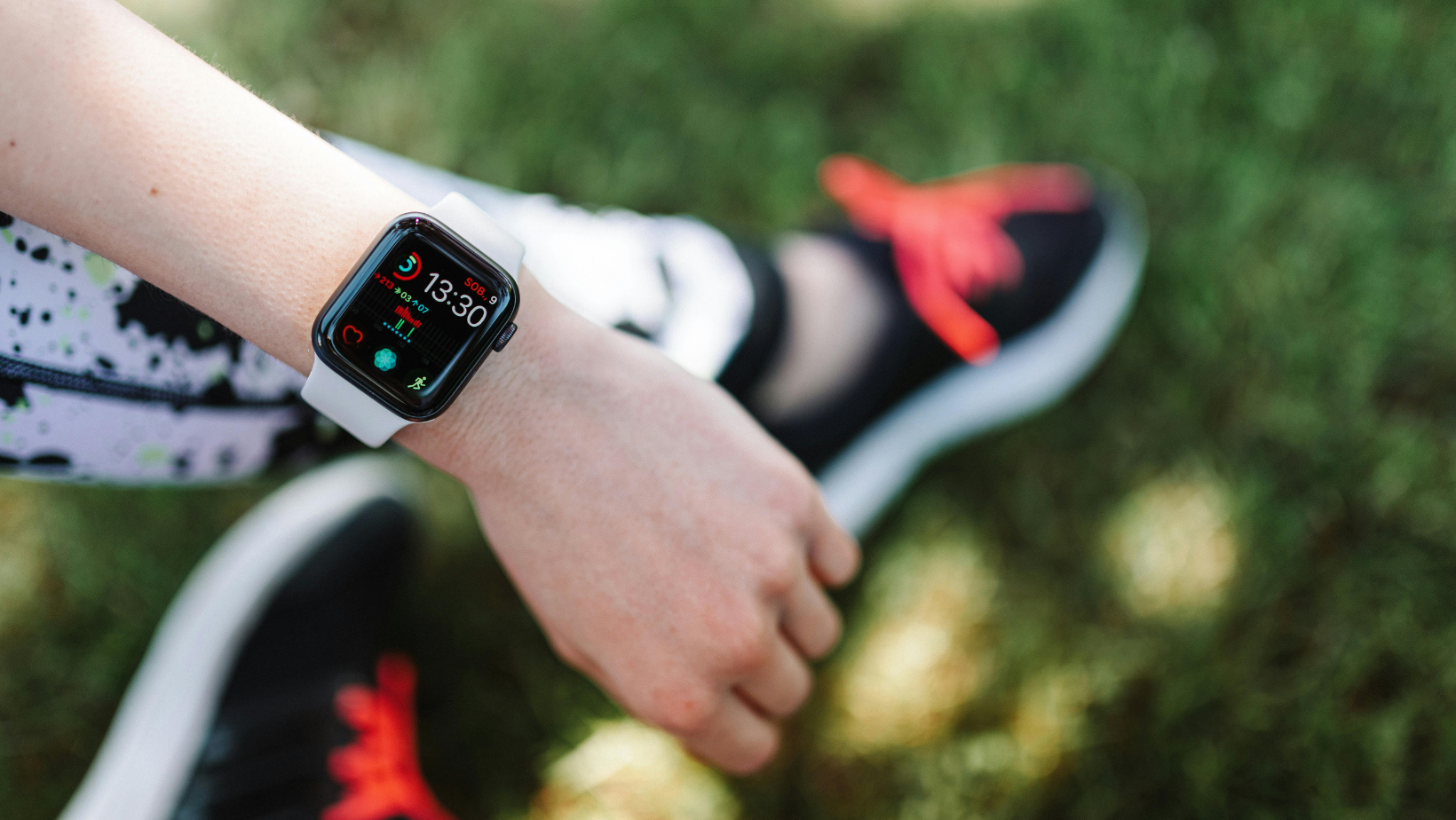
I've used these watches across everything from daily workouts to longer training blocks, and each one stands out for a different reason. Here's how I'd rank the best fitness watches right now.
1. Garmin Forerunner 970
My Top Pick for Serious Training
The Garmin Forerunner 970 is the watch I keep coming back to when training is the priority. It strikes a balance between advanced metrics, battery life, comfort, and day-to-day usability that very few watches manage.
What I like most is how useful the training insights actually are. Recovery recommendations, training readiness, and daily workout suggestions all feel relevant rather than overwhelming. It's also light enough that I rarely notice it on my wrist, even during longer runs.
2. Apple Watch Ultra 3
The Best for iPhone Users
If you're already using an iPhone, the Apple Watch Ultra 3 is the easiest recommendation on this list. The integration with the Apple ecosystem is one of its biggest strengths, and it handles everything from notifications to payments without any extra effort.
The fitness tracking has improved significantly over the last few generations, and the GPS performance is excellent. Battery life still won't match Garmin, but for anyone who wants a fitness watch and a smartwatch in one device, it's a strong option.
3. Samsung Galaxy Watch Ultra
The Best for Android Users
The Samsung Galaxy Watch Ultra feels like Samsung's most complete fitness-focused smartwatch so far. It combines strong health tracking with the flexibility you'd expect from a modern Android smartwatch.
I've been particularly impressed by the battery life compared to older Galaxy Watches. It also fits naturally into the Samsung Health ecosystem, making it a good choice for Android users who want detailed health and fitness tracking without moving to Garmin.
4. Garmin Fenix 8 Pro
The Endurance Specialist
The Garmin Fenix 8 Pro is built for people who spend serious time outdoors. No matter if you enjoy hiking, trail running, cycling, or multi-day adventures, battery life is one of the biggest reasons to consider it.
It isn't the lightest watch on this list, and it's certainly not the cheapest, but it's one of the most capable. If long battery life, navigation features, and outdoor training are priorities, it's difficult to ignore.
5. Garmin Venu 4
The Best for Everyday Fitness
The Garmin Venu 4 is the watch I'd recommend to someone who wants strong fitness tracking without diving into every advanced training metric Garmin offers.
It looks more like a traditional smartwatch, the interface is easy to navigate, and it still includes many of Garmin's most useful health features. For most people who simply want to stay active and monitor their progress, it covers everything they need.
You can read more about Apple Watch vs Garmin in my one-year test.
6. Garmin Instinct 3
The Rugged Outdoor Choice
The Garmin Instinct 3 takes a very different approach from the AMOLED-heavy watches on this list. The focus here is durability, battery life, and reliability in challenging environments.
If you spend a lot of time outdoors, the solar charging options and rugged construction make a lot of sense. It isn't trying to be the flashiest watch available, but it's one of the most dependable.
7. COROS Pace 4
The Best Value
The COROS Pace 4 continues to be one of the strongest value options among the best fitness watches available today. It delivers a lot of the features people actually care about, including excellent battery life, accurate GPS tracking, and a lightweight design.
The software experience still isn't quite as polished as Garmin's, but when you look at what you're getting for the price, it's easy to understand why so many runners recommend it.
The Features That Support Your Fitness Goals
I see people getting caught up in the wrong metrics all the time. Here is what I actually look at when I’m training.
Accuracy is Relative
No fitness watch is perfectly accurate for every activity. I’ve found that Garmin, Apple, and Samsung all offer capable GPS and heart-rate tracking, but the results can vary based on how tight the strap is or how cold it is outside. If you need 100% accuracy for heart rate during intervals, I always recommend using a chest strap.
Ecosystem Integration
If you’re already using an iPhone, the Apple Watch is going to feel more natural. If you’re deep into Strava and TrainingPeaks, Garmin’s data sync is the best in the business. Pick the watch that fits into the digital life you already have.
Battery Life vs Features
This is the biggest trade-off. You can have a beautiful, high-resolution screen and three days of battery (Apple/Samsung), or a slightly less "smart" experience with three weeks of battery (Garmin/COROS). I personally prefer the longer battery life so I don't have to think about another charger when I travel.
Training Load and Recovery
The most useful feature of a modern fitness watch is its ability to tell you when to rest. I look at my HRV status every morning. If it’s trending low, I know I need to prioritize sleep over a hard workout. This data helps you avoid injury and burnout.
I've found that I'm much more likely to stay on top of my training when I'm tracking it. Harvard Health highlighted research showing that wearable fitness trackers can help people stay more active, which makes sense to me.
Having that information on your wrist creates a level of accountability that's easy to underestimate.
So, Which Fitness Watch Would I Buy?
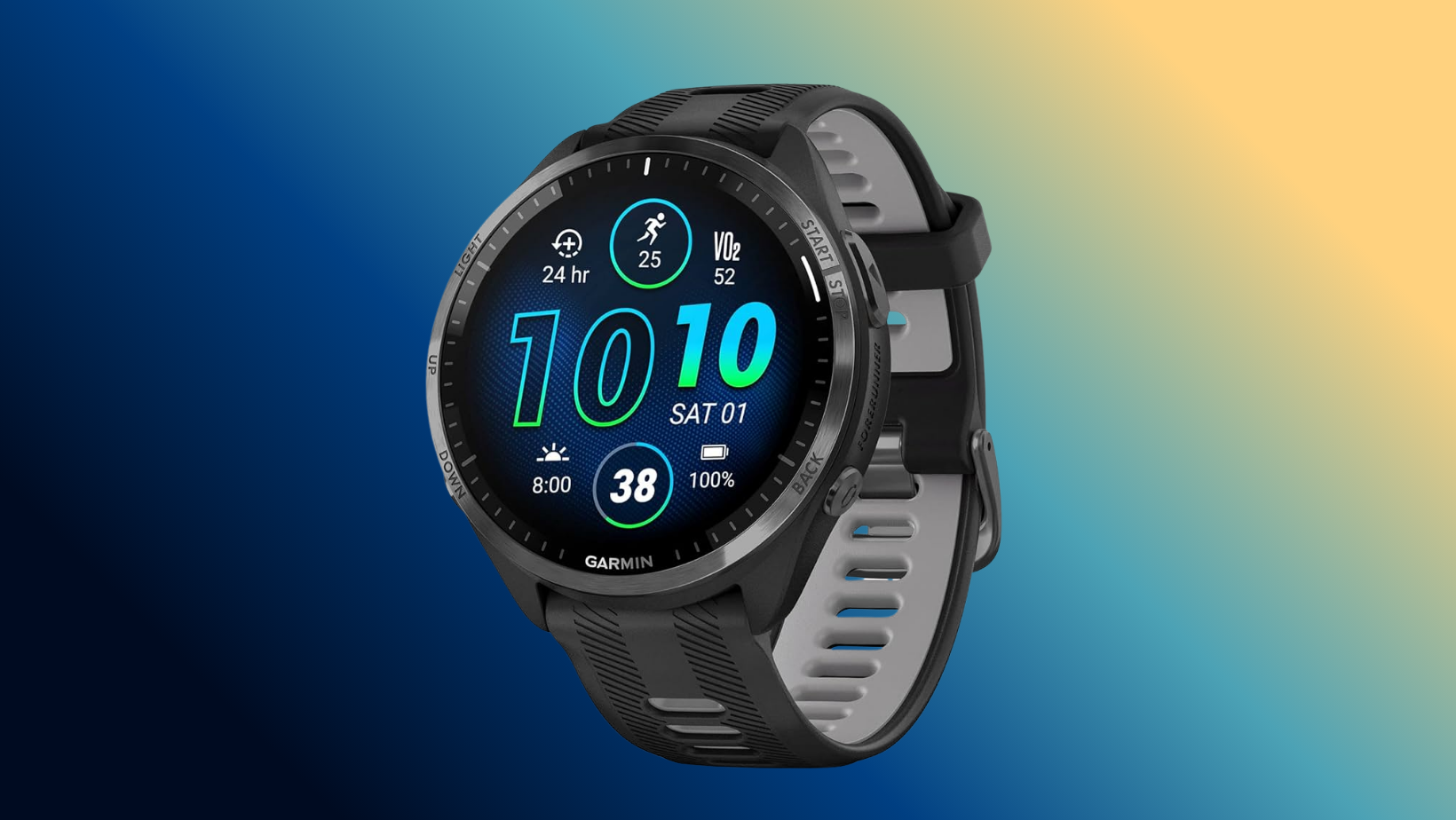
The best fitness watches all do a good job of collecting data. The bigger question is which one gives you information that's actually useful for the way you train.
If training performance was my main priority, I'd still choose the Garmin Forerunner 970. For iPhone users, the Apple Watch Ultra 3 offers the strongest balance between fitness tracking and smartwatch features. If value is at the top of your list, the COROS Pace 4 remains one of the easiest recommendations on this list.
I also share more hands-on tech reviews and recommendations in my newsletter at experimentsinprogress.com.
Frequently Asked Questions
Which fitness watch is the most accurate?
No fitness watch is the most accurate for every activity and measurement. Garmin, COROS, Polar, Apple, and Samsung all offer capable GPS and heart-rate tracking, but performance can vary with location, wrist fit, skin contact, movement, and workout type. I still use a compatible chest strap when I need highly accurate exercise heart-rate data for my interval sessions.
Is Garmin better than Apple Watch for fitness?
Garmin is generally better for structured training, endurance metrics, mapping, and long battery life. Apple Watch is generally better for iPhone integration, third-party apps, communication, and everyday smartwatch features. I find that serious runners and outdoor athletes usually prefer Garmin, while gym users and recreational athletes get more value from Apple’s broader app ecosystem.
How much should you spend on a fitness watch?
Most people can find a capable fitness watch in the midrange without buying a flagship model. Higher prices usually add maps, premium materials, longer battery life, multi-band GPS, advanced recovery data, or cellular features. I tell people the best budget is the lowest amount that covers the activities, battery requirements, and training metrics they will actually use consistently.
Are fitness watches worth it for beginners?
Fitness watches are worth it for beginners when the data encourages consistent movement and helps track gradual progress. Step counts, workout duration, heart-rate trends, and basic training plans can make goals easier to measure. Beginners do not need the most advanced model. I’ve found that too many unfamiliar metrics can actually make a simpler watch more useful.
What is the best fitness watch for strength training?
The Apple Watch is a strong strength-training option for iPhone users because it supports a large selection of workout and lifting apps. Android users may prefer the Galaxy Watch Ultra for similar smartwatch flexibility. Garmin and COROS watches can record strength sessions, but I find their biggest advantages are usually in running, cycling, and endurance training.
