


Three months ago, Samsung launched the Galaxy S26 Ultra and, like every major flagship launch these days, it came with some big promises.
But, as somebody who spent years running an IT business before moving into technology reviews full-time, those promises immediately reminded me of something else. Not just my first Snapdragon-powered Samsung device… Not even my first memorable Android experience with the Pixel 4a… They reminded me of a much bigger question that I've been asking myself recently: How many of the features being announced today are actually making it into the hands of everyday users?
Because even though the Galaxy S26 Ultra is undoubtedly one of the best Android phones available right now, I can't help feeling like we're entering an era where software promises are becoming bigger, whilst hardware innovation is becoming harder to find.
So in this article… let’s talk about what Samsung nailed with the S26, what still feels missing, and why, despite being one of the best Android phones money can buy, I’m somehow still waiting.
Sixteen Years of Samsung Refining the Galaxy S
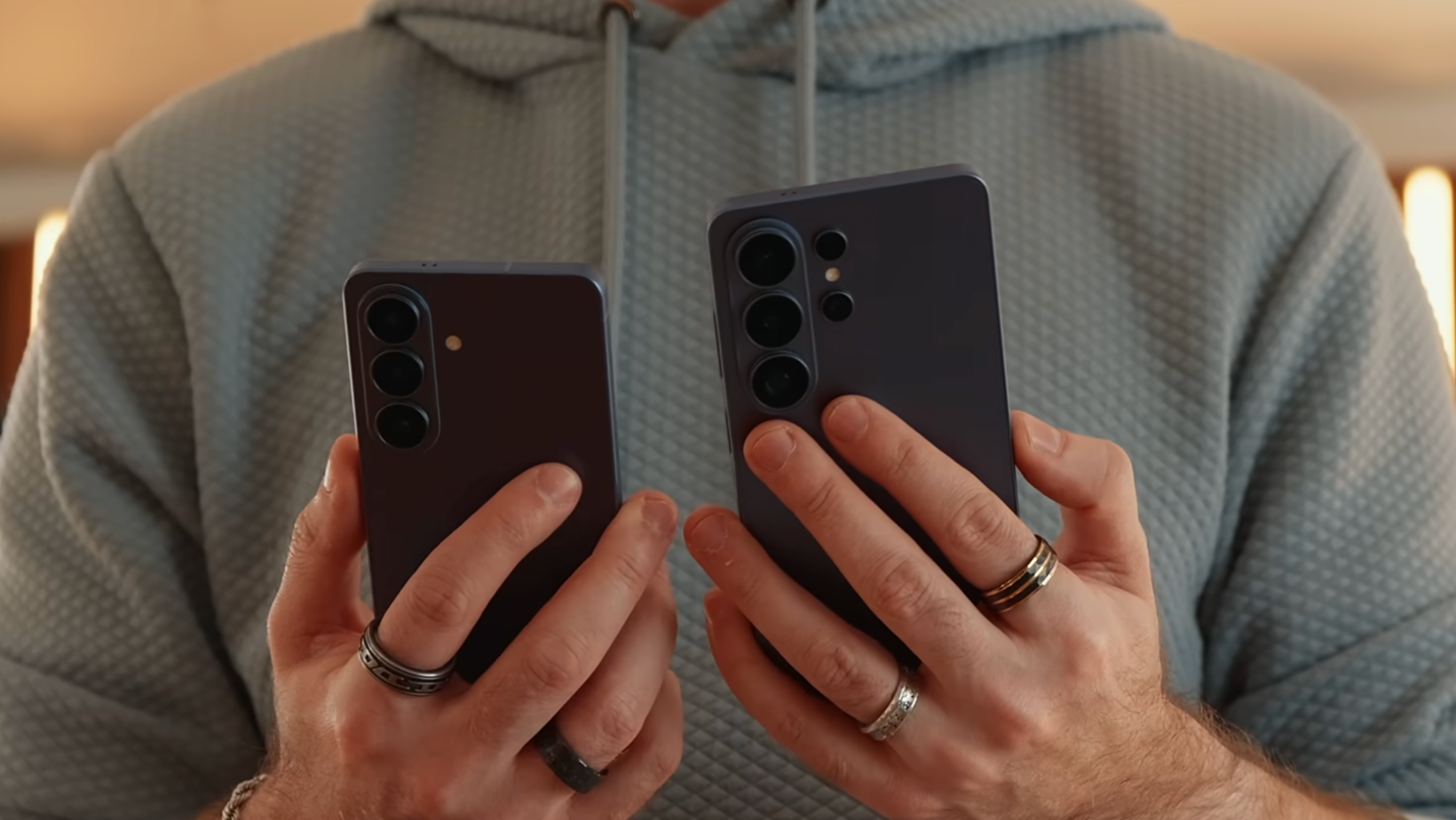
The number sixteen is important here because that’s how many years Samsung has spent refining the Galaxy S series.
From the original Galaxy S back in 2010 through to today's flagship devices, every generation has brought improvements like faster processors, brighter displays, larger sensors, improved cameras, and better overall performance.
Some years brought bigger leaps than others, but there was usually something tangible that pushed the hardware forward.
Then in 2022, Samsung launched the Galaxy S22 Ultra.
In many ways, that phone established the design language we're still using today. Yes, Samsung has refined the formula since then, but externally the Ultra lineup has remained remarkably consistent.
The following year brought what I believe was a much more significant change.
In 2023, Samsung finally moved to Snapdragon globally.
For many people, that probably didn't sound like a huge announcement.
But for those of us outside the United States, it was massive.
For years, I'd watched American reviewers praise Samsung flagships whilst wondering whether we were even using the same phones. My experience of Samsung's flagship devices had often been frustrating. Battery life wasn't always great. Performance wasn't always consistent. There always seemed to be little issues that stopped the experience from feeling truly premium.
Then I finally experienced Samsung's hardware paired with Snapdragon.
Suddenly the performance complaints disappeared.
Battery life improved. Efficiency improved. The software felt more polished. And for me, that was the turning point.
Samsung's flagship phones finally became as good as I'd always been told they were.
When Galaxy AI Became the Headline
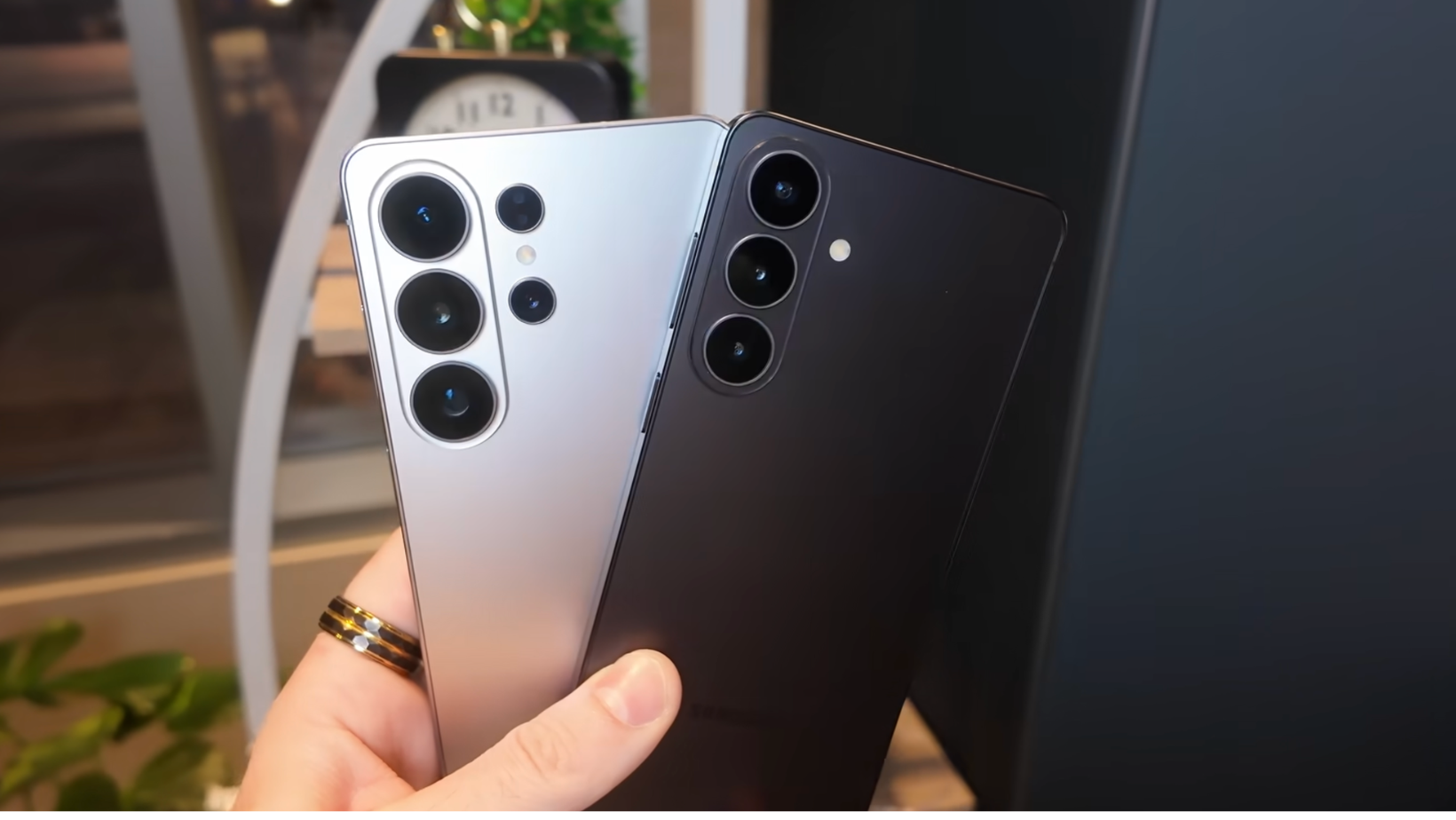
Then came the Galaxy S24 Ultra.
Or perhaps more accurately, Galaxy AI.
Almost overnight, the focus of Samsung launches changed.
Instead of spending most of the presentation talking about cameras, displays, batteries, and processors, the conversation shifted towards software.
AI image editing.
Object removal.
Generated stickers.
Photo manipulation.
Features that, if we're being honest, don't always feel revolutionary.
At the same time, though, Samsung also introduced genuinely useful AI tools, like live call translation, meeting transcription, automatic note summaries, and call screening. Features designed to save time and surface information when you actually need it.
And to Samsung's credit, they largely delivered.
Whilst many companies continue to announce AI features that remain permanently "coming soon", Samsung and Google have spent the last few years shipping functionality that people can actually use.
There are even useful features hidden away inside One UI that most people never discover.
One of my favorites is Samsung's built-in Wi-Fi analysis tool, which helps identify dead spots around your home network. It's practical, genuinely useful, and exactly the sort of feature that deserves more attention than it gets.
When you compare that with Apple's struggles around Apple Intelligence, it's hard not to give Samsung credit.
For all the criticism AI receives, Samsung has arguably done a better job than most at actually delivering useful functionality.
Living With the Samsung S26 Ultra
That brings us to the Galaxy S26 Ultra itself.
By now, you've probably seen countless reviews covering the camera, battery life, display and performance, so I'm not going to spend hours repeating what everybody else has already said.
Instead, I want to focus on the things I've actually noticed after using the phone for three months.
Gaming Performance Has Been Excellent
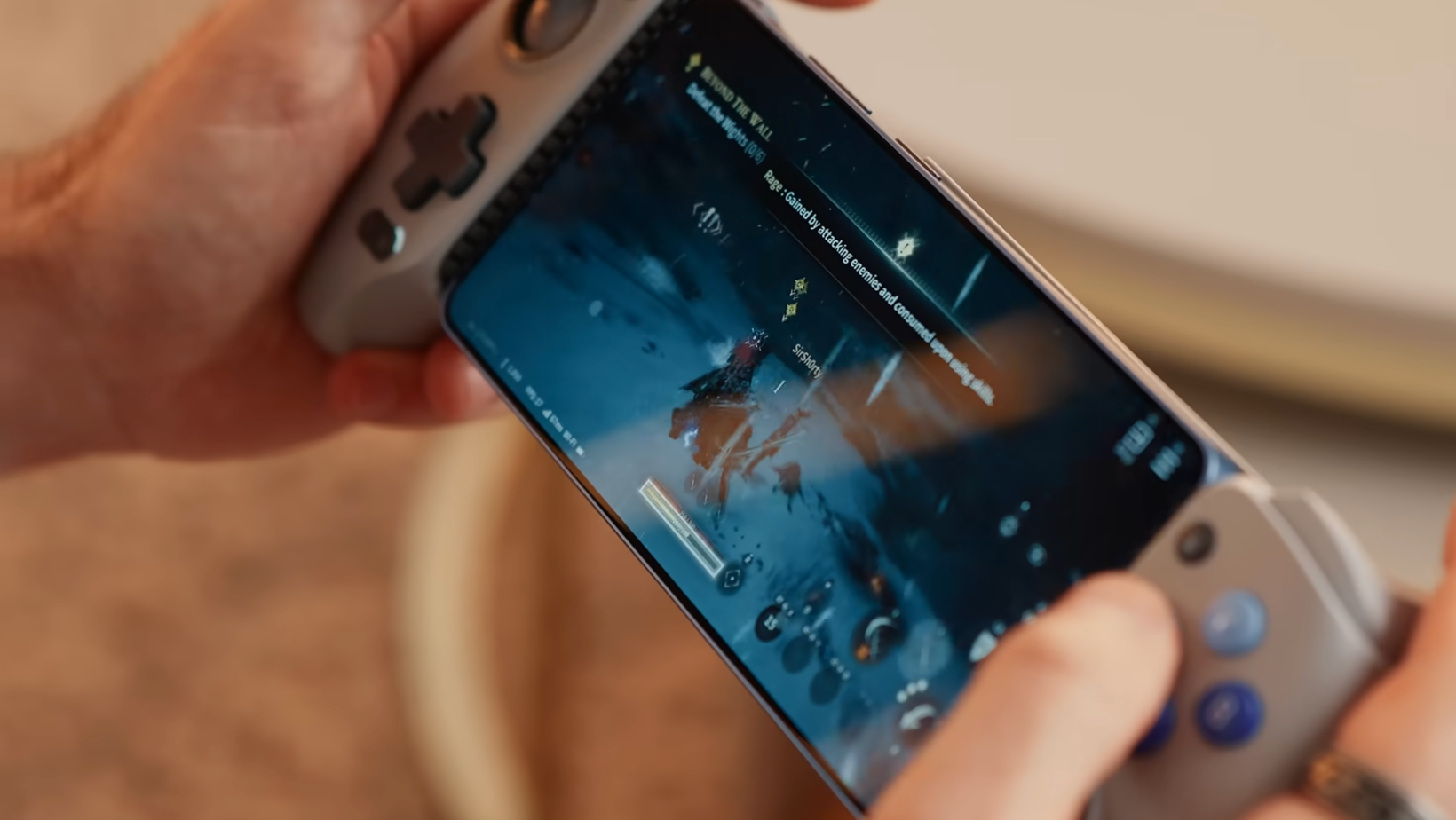
I don't spend huge amounts of time gaming on my phone, but when I do, the S26 Ultra has been fantastic.
Fortnite runs smoothly. The phone stays surprisingly cool. Battery drain remains reasonable. And perhaps most importantly, the experience feels effortless.
Years ago, mobile gaming often felt like a compromise. Today's flagship Samsung phones are powerful enough that I barely think about performance anymore.
Samsung Finally Fixed NFC
This is something I actually got wrong in my original coverage.
Samsung has finally moved the NFC antenna placement to a much more sensible position. Instead of awkwardly tapping the back of the phone against a payment terminal, you can simply tap the top of the device.
It's a small change, but it's one of those little quality-of-life improvements you notice almost every day.
Connectivity Continues to Impress
One thing I've consistently noticed with Samsung and Snapdragon devices is how reliable connectivity feels.
At home, I run a 10-gigabit network with Ubiquiti access points around the property.
My Samsung reconnects to Wi-Fi faster than my iPhone as I approach home. It also seems more reliable when communicating with smart-home devices, particularly my smart lock.
Again, these aren't headline features. They're simply examples of the phone doing the basics exceptionally well.
The Privacy Display Reality
Privacy Display was one of the most talked-about hardware features when the S26 Ultra launched. Partly because it was genuinely interesting, and partly because there weren't many other new hardware features stealing the spotlight.
After using it for several months, I think the reality sits somewhere between the hype and the criticism.
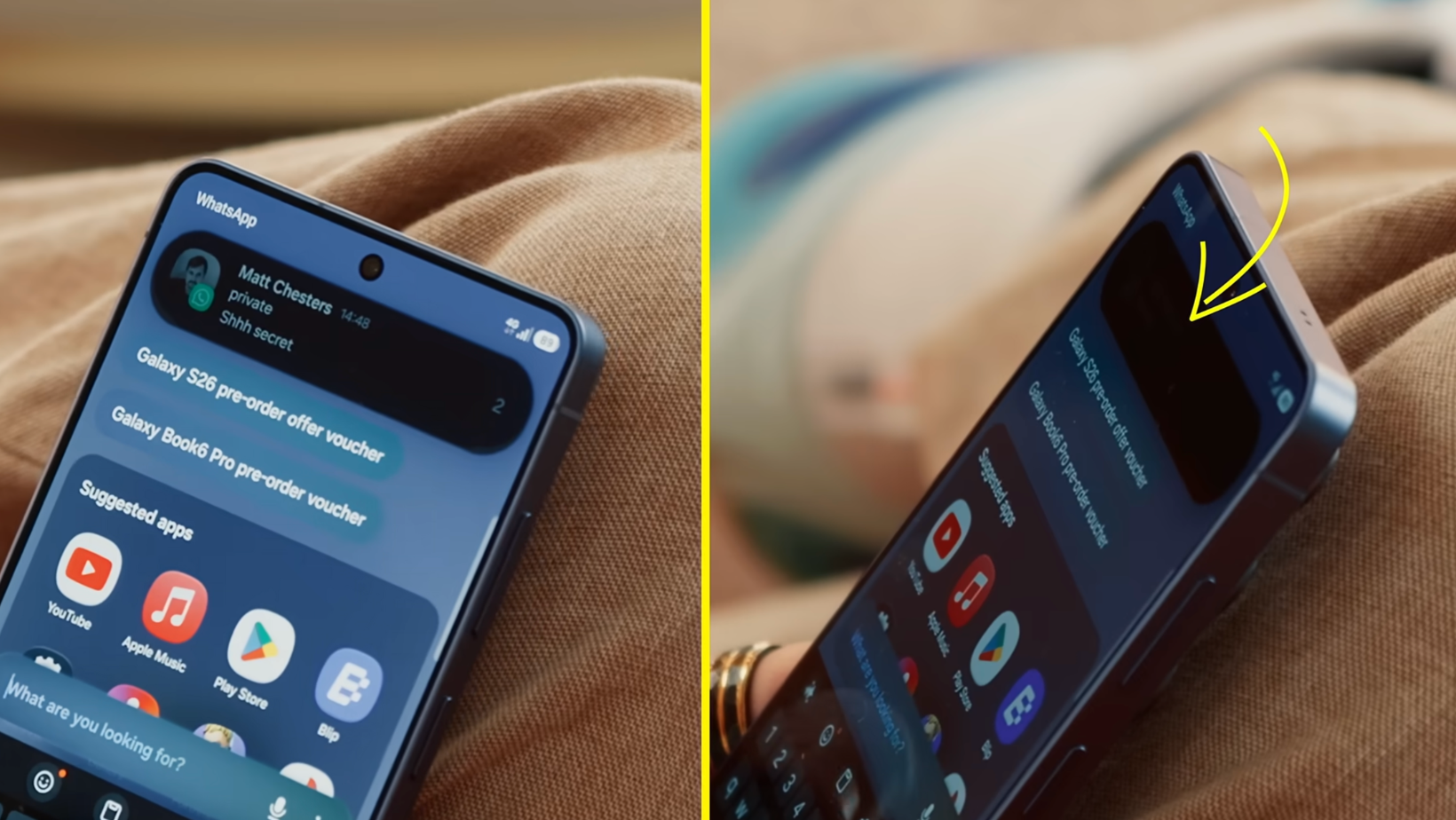
The feature works. The problem is that using it permanently enabled isn't particularly enjoyable. Colors become washed out, and the overall viewing experience suffers, and for me, the best solution has been assigning a gesture shortcut that lets me quickly toggle it on and off.
Used occasionally, it's genuinely useful. But used permanently, it's harder to recommend.
The Hardware Question Samsung Can't Avoid Forever
This is where things become more complicated.
Because whilst Samsung's software story continues to improve, the hardware story feels less clear.
The S26 Ultra is a great phone.
But where is the next major leap?
Honor introduced silicon-carbon batteries years ago. Oppo, OnePlus and Xiaomi have been pushing charging technology forward for multiple generations. Vivo and Oppo continue to demonstrate what's possible with flagship smartphone cameras.
Meanwhile, Samsung users are increasingly watching these developments from the sidelines and asking the same question: When?
When does Samsung bring these innovations to the Galaxy Ultra lineup?
To be fair, Samsung probably has more reasons than most to be cautious when discussing battery technology.
But the longer competitors continue advancing, the harder it becomes to ignore.
The AI Industry Has a Promise Problem
This brings me back to where the article began. Because I don't think this is purely a Samsung problem. I think it's becoming an industry problem.
Back in 2018, Google showed the world a demonstration of Duplex. If you watched it at the time, you'll probably remember the reaction. It felt like the future had arrived. And yet, here we are in 2026, still waiting for many of those experiences to become part of everyday life.
The same applies to many of today's AI announcements.
We're constantly shown demonstrations of assistants that understand context, proactively help us complete tasks, and easily access information across apps and services.
Some of those features are arriving.
But many are not (or they're arriving years later than expected).
Android Auto and Gemini Are the Perfect Example
Nothing illustrates this frustration better than Android Auto.
Google Gemini has been "coming soon" to Android Auto for what feels like forever.
And yet my car in the UK is still running Google Assistant.
How is that still the case?
Google I/O this year introduced a huge range of announcements around Android, AI, and future products.
Some of them look genuinely exciting, like AI-generated widgets, new voice tools, improved productivity features, and Android Auto updates.
But as a consumer, it's becoming increasingly difficult to separate what's available today from what's still somewhere on a roadmap, especially if you're outside the United States.
Features like Call Screen, Hold For Me, Scam Detection, and Gemini frequently arrive months or even years later in markets like the UK, and that's assuming they arrive at all.
What I Want From Samsung Next
Samsung is winning the AI race. I don't think there's much debate about that. But I also don't want Samsung to become a company that's known only for software.
I want Samsung to lead on hardware again.
Give me a Galaxy Ultra with a silicon-carbon battery.
Give me faster charging.
Give me a truly class-leading camera system.
Give me wireless charging that feels as advanced as the rest of the phone.
And continue pairing all of that with One UI, which remains one of the strongest software experiences in the Android world.
Most importantly, deliver on the promises that have already been made.
Sponsored: Why I Still Use Nuki After Three Years
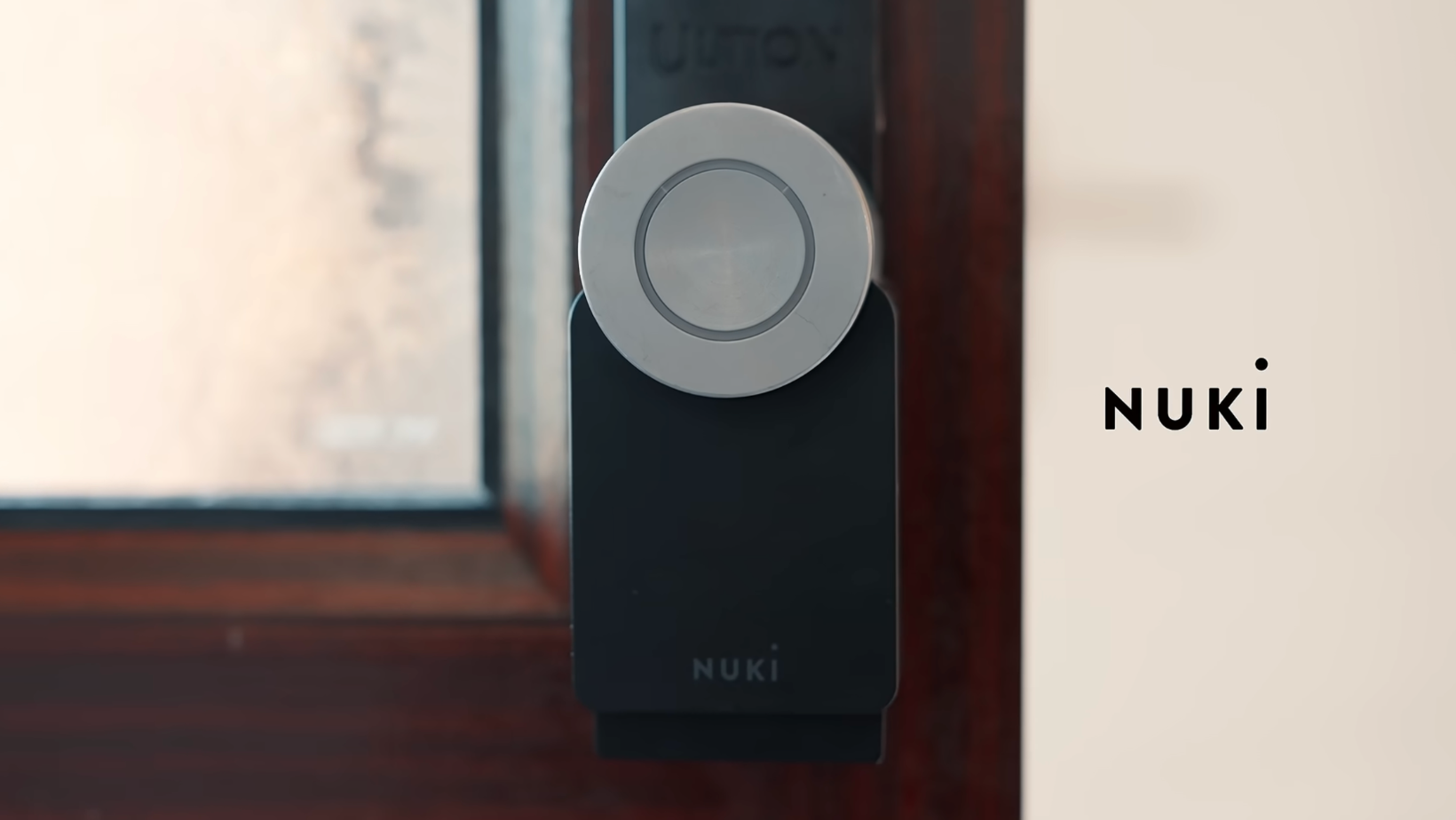
Before we wrap up, I want to thank Nuki for supporting my YouTube channel and blog.
Back in 2023, my old smart lock failed. And after spending far too much time researching alternatives, I eventually bought the Nuki Smart Lock Pro.
Three years later, I'm still using it.
In fact, it's probably the most reliable smart-home product I've ever owned.
More importantly, it's one of the few smart-home products that's received complete approval from my wife, which is often the ultimate test.
The latest Nuki Smart Lock Pro V5 builds on that foundation with a quieter brushless motor, automatic locking and unlocking, support for PIN codes, NFC tags, fingerprints and, importantly for Samsung users, support for Samsung Digital Key.
We've even integrated ours into Home Assistant.
Using Nuki's door sensor, we've created an automation that alerts us whenever our front door has been left open for more than ten seconds. (Mostly because our indoor cat Walt is constantly looking for opportunities to make a dramatic escape).
If you’ve been thinking about upgrading to a smart lock, you can save 15% by using the code PETE here.
Final Thoughts
To sum up my thoughts here, the Samsung Galaxy S26 Ultra (in my opinion) remains one of the best Android phones you can buy. It's polished, reliable, fast, and backed by a software experience that continues to improve every year.
But it's also a phone that leaves me asking questions about where the industry goes next.
Samsung has proven it can build a fantastic flagship.
Google has proven it can create genuinely impressive AI technology.
But the challenge now isn't announcing the future. It's delivering it. And because whilst the Galaxy S26 Ultra may be one of the world's best-selling flagship Android phones, the competition isn't standing still.
The race is already happening.
And over the next few years, Samsung will have to decide whether being reliably excellent is enough, or whether it's time to start leading again.
Watch the Video
More From Pete Matheson
If you want more breakdowns like this, sign up to my newsletter,and the podcast where I go deeper into this kind of stuff each week!
