


I've spent a lot of time with both technologies at this point, and the mini LED vs OLED debate is one I get asked about constantly. OLED monitors on my desk, Mini LED TVs in the living room, Samsung's 49-inch G9 OLED that I ended up sending back, LG's OLED panels that I keep coming back to. I have a pretty clear opinion now, and it's probably not what the spec sheets would lead you to expect.
The short version: OLED wins for most people in most situations. But Mini LED has specific scenarios where it genuinely makes more sense, and ignoring that would be doing you a disservice.
In this article, I'm covering what each technology actually is, where each one wins and falls short, how they compare for gaming and TV use, and which one you should buy based on how you use your setup.
Mini LED vs OLED: What's the Actual Difference
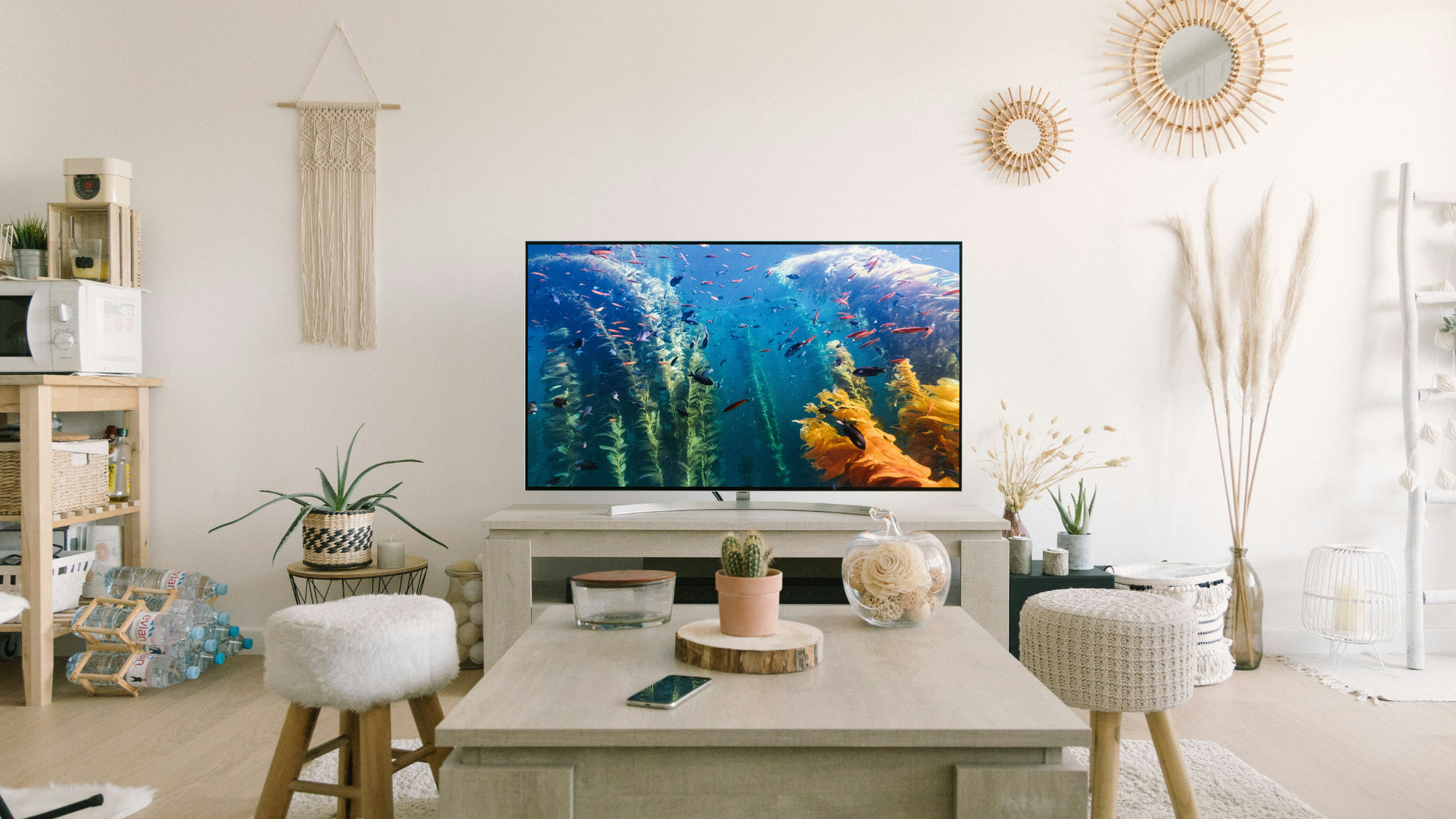
Mini LED vs OLED refers to two fundamentally different approaches to creating a picture.
Mini LED
Mini LED is an advanced LCD technology. It uses a traditional LCD panel to create the image, but replaces the conventional backlight with thousands of tiny LEDs grouped into individually controllable dimming zones.
As IEEE Spectrum explains, the advantage is precision: instead of a handful of light zones, you can have hundreds or thousands, allowing much tighter control over which parts of the screen are bright or dark.
The result is significantly better contrast than standard LED, higher peak brightness than OLED, and no burn-in risk.
OLED
OLED takes a completely different approach. Every individual pixel generates its own light. When a pixel needs to show black, it simply switches off entirely. There's no backlight, dimming zones, or blooming.
The result is perfect blacks, infinite contrast ratio, and response times that LCD technology physically cannot match. The trade-off is lower peak brightness compared to the best Mini LED panels, and a real (if manageable) burn-in risk with static content over long periods.
Mini LED vs OLED at a Glance
My Top Mini LED Picks
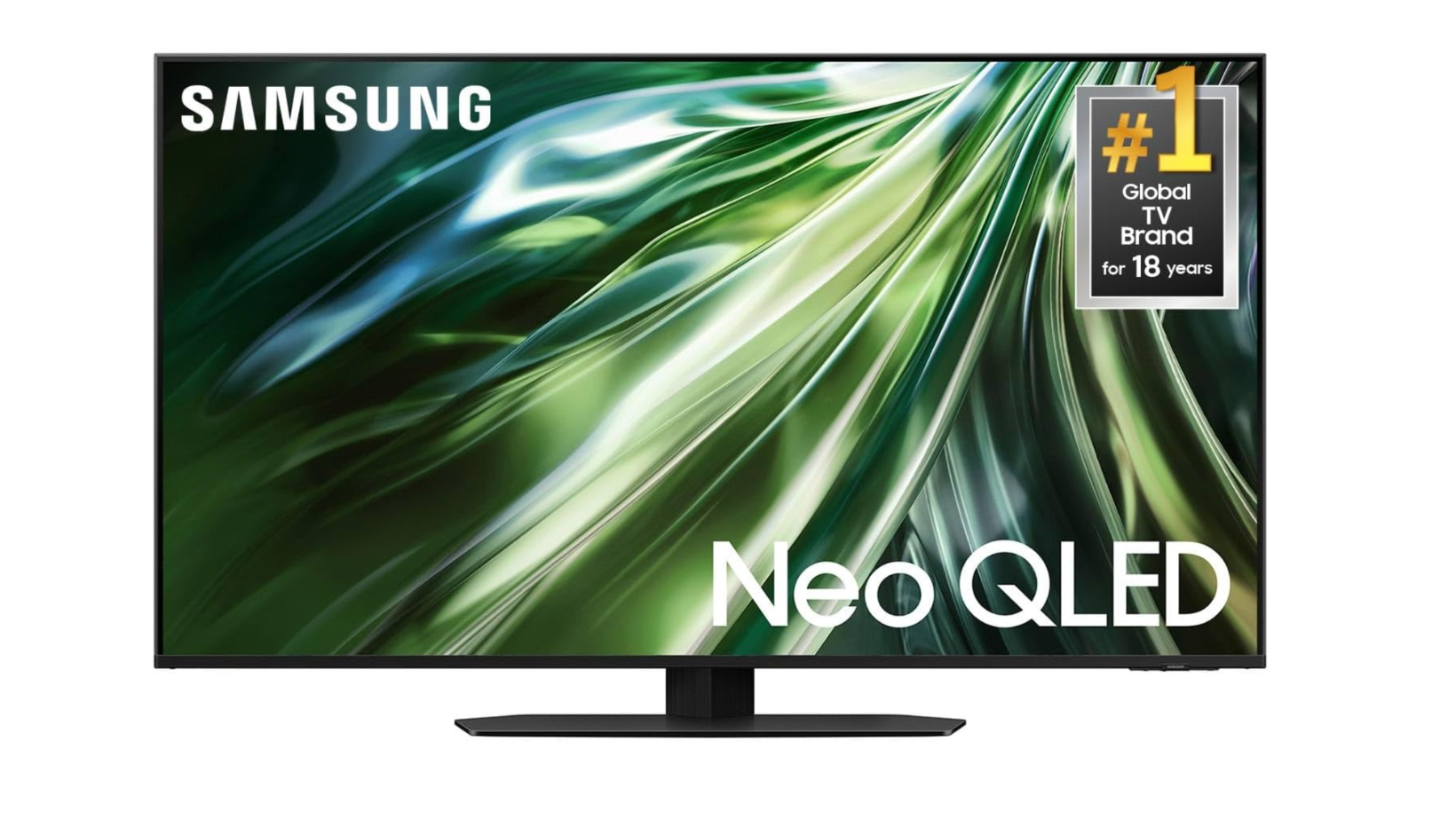
If Mini LED is the right call for your setup, these are the three I'd point you toward.
Samsung QN90D
Best for: bright living rooms and sports viewing
If your living room gets a lot of natural light, the Samsung QN90D is the TV I'd point you toward. The Neo QLED backlighting pushes brightness high enough that HDR content actually pops in daylight conditions, and the anti-reflection coating handles glare better than most panels at this price.
It's not going to match OLED in a dark room, but that's not what it's built for. For bright rooms, it's the more practical choice.
ASUS ROG Swift PG32UQX
Best for: gaming in bright rooms without burn-in concerns
The ASUS ROG Swift PG32UQX is the Mini LED gaming monitor for people who've been tempted by OLED but game in a well-lit setup or leave static HUD elements on screen for hours at a time. The 1,196 dimming zones are dense enough that HDR genuinely impresses, and you never have to think about screen management or pixel shift settings. It's not quite OLED on picture quality, but it's close enough that most people won't feel like they're missing out.
Samsung Odyssey Neo G8
Best for: best value Mini LED monitor for work and gaming
The Samsung Odyssey Neo G8 is where I'd send anyone who wants proper Mini LED performance without paying flagship prices. The local dimming is strong, HDR holds up well, and the 240Hz refresh rate makes it a great addition to complement gaming PCs.
It's the least flashy pick on this list, but it's the one that makes the most sense for most people who aren't chasing the absolute best.
My Top OLED Picks
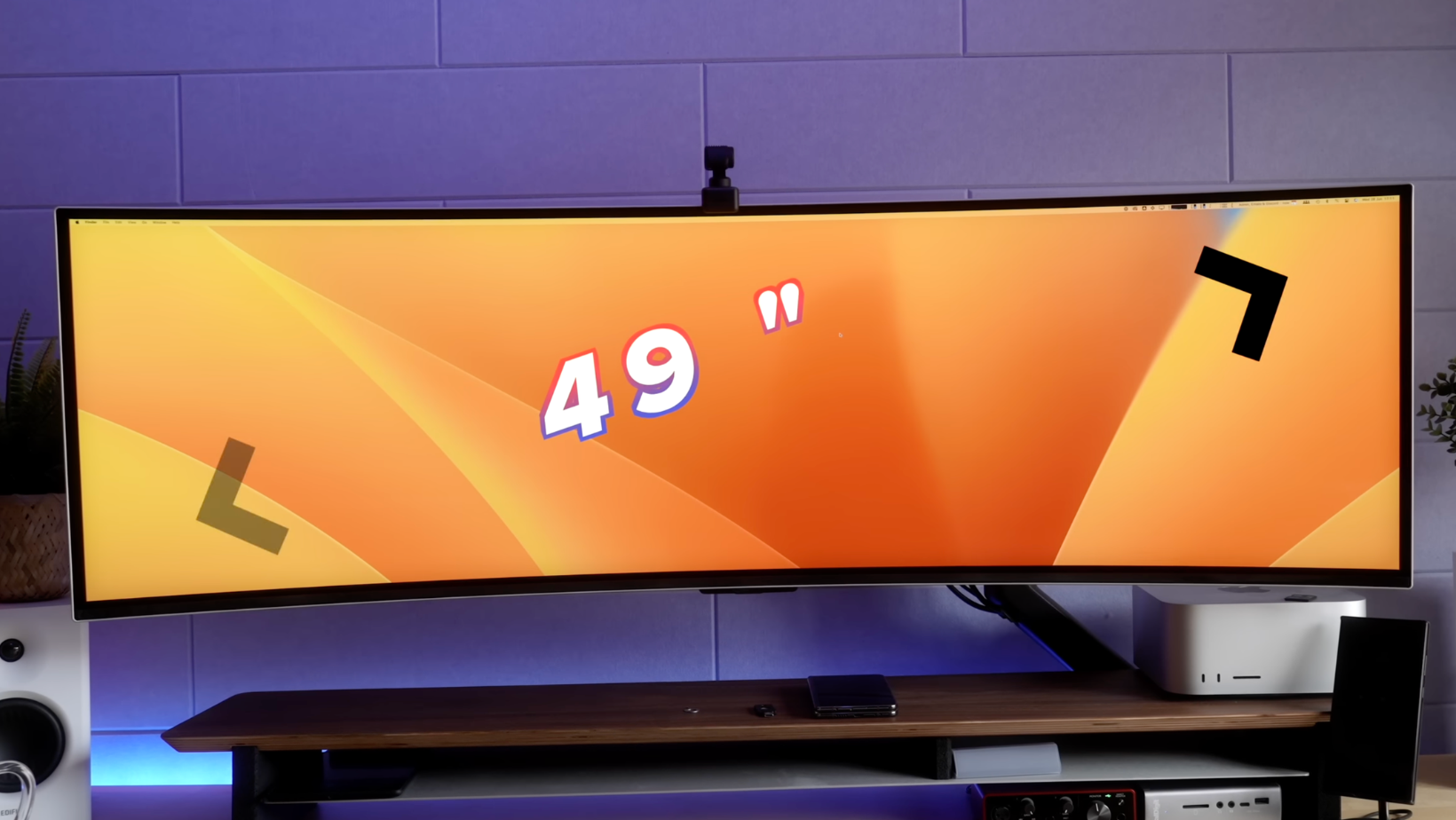
For most setups, one of these three is where I'd spend my money.
Samsung 49" Odyssey Neo G9 OLED
Best for: ultrawide gaming and immersive desk setups
The Samsung 49" Odyssey Neo G9 OLED is the one I sent back, and I still think about it. The QD-OLED panel and 240Hz at that size is genuinely impressive, and having the equivalent of two 27-inch monitors in one seamless panel changes how a desk setup feels.
I sent it back because of the size constraints in my space, not because of the display. If you have the desk for it, it's hard to argue with.
LG 45" UltraGear
Best for: competitive gaming and mixed use
The LG 45" UltraGear is probably the most versatile pick on the OLED side. The 21:9 panel at 240Hz handles competitive gaming, immersive single-player titles, and creative work without feeling like a compromise in any direction. The response time is 0.03ms, the color accuracy is solid, and the curve makes it comfortable for long sessions. It's not the biggest or the flashiest, but it's the one I keep recommending to people who want one screen that does everything well.
ASUS ROG Swift OLED PG32UCDM
Best for: productivity and creative work
Most OLED monitors are built around gaming first, and it shows in how they handle text. The ASUS ROG Swift OLED PG32UCDM uses a WOLED panel instead of QD-OLED, which produces cleaner, sharper text rendering that makes a real difference if you're staring at documents and design tools all day.
You still get 240Hz and 0.03ms for when you're not working, but it doesn't feel like a gaming monitor pretending to be a productivity screen.
The Display Decision Comes Down to Your Room
If you've made it this far, the mini LED vs OLED decision is probably clearer than it was before. OLED is the better technology for most people in most rooms, and the product picks above reflect that. The picture quality is better, the response times are faster, and burn-in is manageable with normal use.
Mini LED earns its place in bright rooms, at large screen sizes where OLED pricing gets painful, and for anyone running static content all day who doesn't want to think about screen management. The Samsung QN90D and Neo G8 are genuinely excellent for what they do.
But if you're sitting in a reasonably controlled environment and want the best picture you can get, the OLED picks above are where I'd spend my money every time.
FAQs
Is OLED still worth it in 2026?
Yes. OLED remains the best choice for picture quality, contrast, and gaming performance. Modern OLED panels are brighter than previous generations, and burn-in protection features make them far more practical for everyday use. If you primarily watch content in a controlled lighting environment or use your display for gaming and creative work, OLED is still where I'd spend my money.
Which OLED monitor would I buy in 2026?
For most people, I'd choose the ASUS ROG Swift OLED PG32UCDM. The 32-inch 4K panel balances gaming performance, color accuracy, and productivity better than almost anything else available right now. If you're building an immersive gaming setup, the Samsung Odyssey G9 OLED is also hard to ignore.
Which Mini LED display would I buy in 2026?
The answer depends on the use case. For TVs, the Samsung QN90D remains one of the strongest options for bright rooms. For gaming monitors, the ASUS ROG Swift PG32UQX delivers excellent HDR performance without any burn-in concerns. If value is the priority, the Samsung Odyssey Neo G8 is the Mini LED monitor I'd recommend most often.
Is OLED burn-in still a problem in 2026?
It's a manageable risk rather than a dealbreaker. Modern OLED panels include pixel shifting, panel refresh cycles, and other protection features that significantly reduce burn-in risk. If you spend all day looking at static UI elements, Mini LED remains the safer option, but normal gaming and media consumption shouldn't stop you from buying OLED.
Which is better for gaming, Mini LED or OLED?
OLED is the better gaming technology for most people thanks to its near-instant response times, perfect blacks, and superior motion clarity. Mini LED still makes sense if you game in a bright room, prefer extremely high HDR brightness, or leave static HUD elements on screen for long periods.
Is Mini LED better for bright rooms?
Yes. If your room gets a lot of daylight, Mini LED's higher sustained brightness and reduced sensitivity to reflections make it the more practical choice. OLED has improved significantly, but Mini LED still holds the advantage in bright viewing environments.
