


Apple has spent years watching Samsung build folding phones. Now it has turned up with one of its own, priced at $1,999, and asked everyone to act normal about it.
That price makes the iPhone Duo a hard sell for any buyer, since a phone that costs more than many laptops has to earn its place in your pocket. It's an even harder sell for someone who's used Android for years. So, I handed Apple's first foldable phone to three lifelong Android users. I wanted to know if a larger screen and a new shape could pull them away from Android.
For this iPhone Duo review, the big question was simple. Did Apple make a foldable that feels worth two grand, or did it build a very expensive reason to stay with Samsung?
In this article, I'll cover what made the Duo fun, what frustrated the group, how it compares with the Galaxy Z Fold 8, and who should consider buying it.
What is the iPhone Duo?
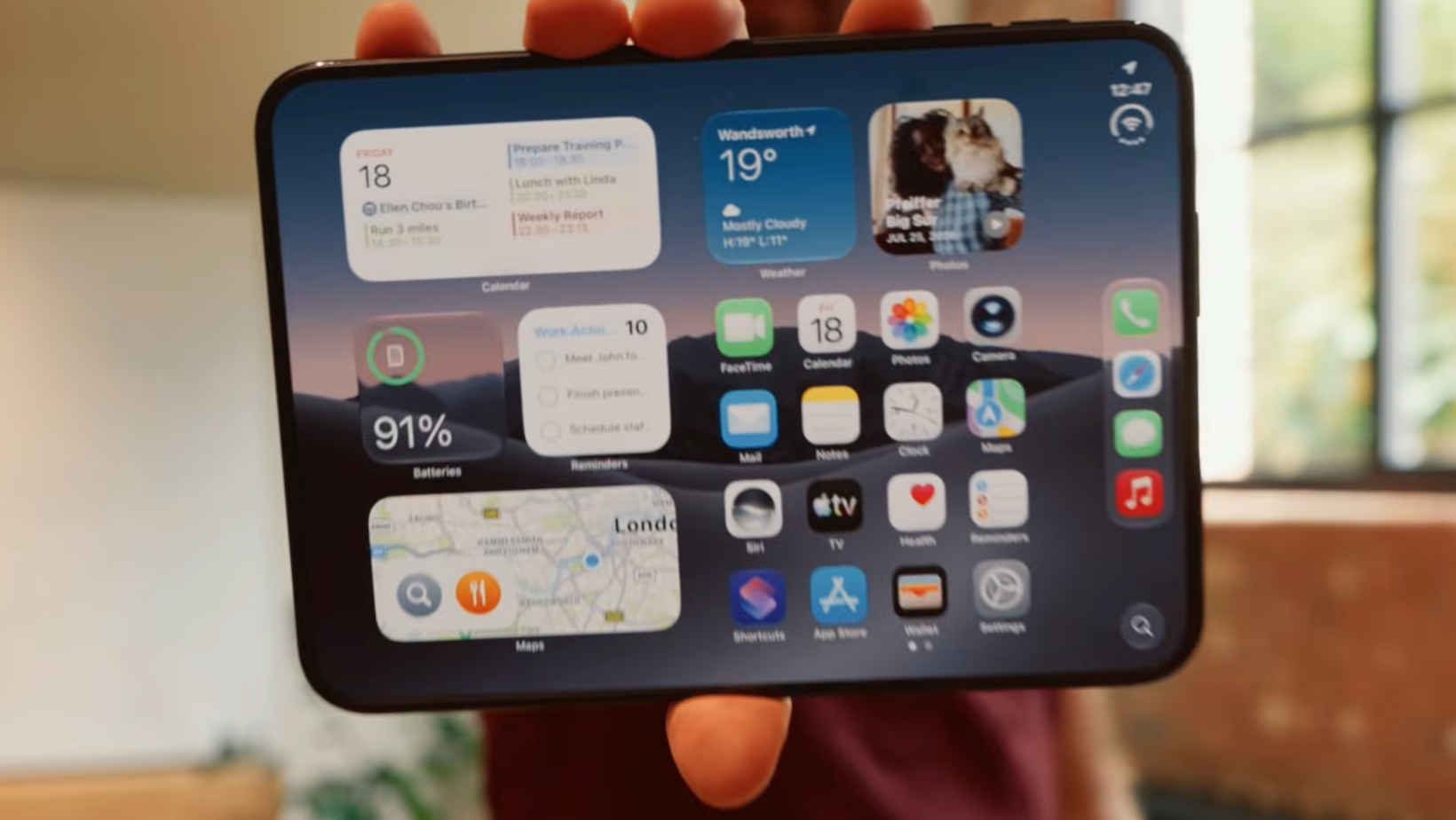
The iPhone Duo is Apple's first book-style folding phone. My test focuses on how the Duo feels to Android users. An iPhone Duo review still needs some hardware context because its two screens shape almost every reaction.
The phone has a 5.4-inch outer display and a 7.6-inch inner display. Both use the same aspect ratio, so apps can resize as you open or close the phone. Apple uses a matte nano-texture finish on the inner screen to cut glare and make the crease less obvious.
The Duo starts at $1,999 with 256GB of storage. It uses the A20 Pro chip and has Touch ID in the side button. Apple has also updated iOS 27 to support side-by-side apps and different folding positions. You can see the full measurements and display details on Apple's Duo tech specs.
Calling it an Apple flip phone can give the wrong impression. The Duo doesn't fold into a compact square. It opens like a book, much like Samsung's Fold line. It's a foldable iPhone made for more screen space, not a tiny phone made for a small pocket. My foldable iPhone buying guide goes deeper into the wider value question.
What this iPhone Duo review tested
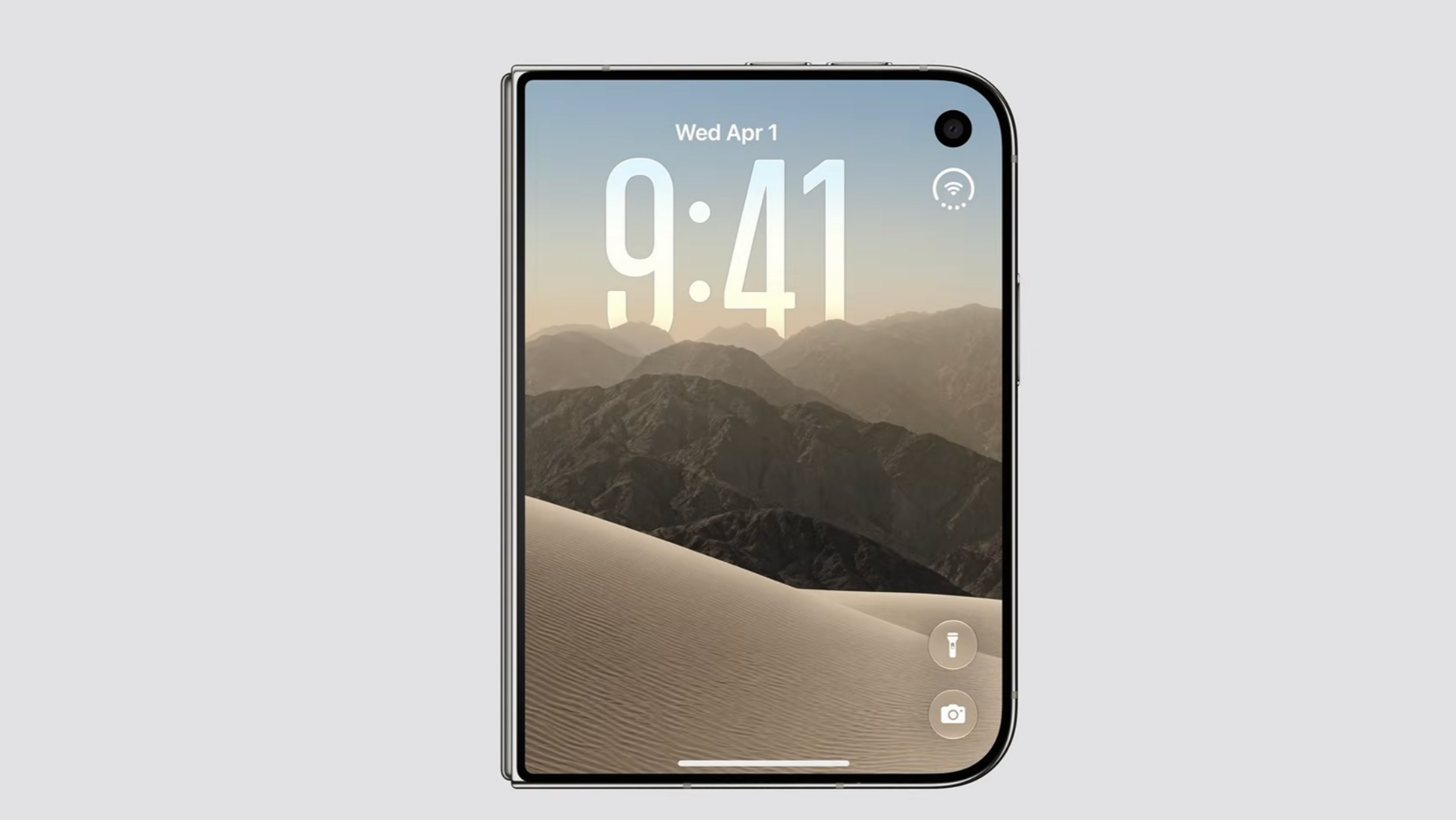
My iPhone Duo review was never meant to be a normal lab test. I wanted three people with long Android histories to live with the phone and notice the things an iPhone user might ignore.
The test covered different Android habits. That helped separate personal preferences from problems tied to the phone. One person may care about app freedom, while another notices the camera or the way a phone handles travel.
First impressions set the tone
Picking up the Duo for the first time brings two reactions. The inner screen is exciting, then the price lands in your head. This is still a phone that costs more than many laptops.
The outer screen makes the Duo feel more compact than its open size suggests. Open it, and it becomes a small tablet. That change is the whole point, but it also asks you to rethink tasks that used to fit on one narrow screen.
This is where switching becomes more than moving contacts. Years of gestures, menus, app choices, and muscle memory come with you. Apple's Move to iOS guide can bring over photos, contacts, messages, calendars, and other data. It can't make iOS behave like the Android phone you left behind. My post on switching from Android to iPhone gets into the longer story.
Would you put a case on a phone this expensive?
A phone this expensive makes the case question pretty stressful. Leave it bare, and you get the design Apple intended. Add a case,e and you protect a device that costs more than some used cars.
This video is sponsored by MagBak, and its MagBak case is one option for protecting the Duo. A case adds size to an already thick phone. One bad drop could become a horrible bill.
Apple's other answer is cover rather than armor. AppleCare includes plans for one device or several eligible devices. That softens some of the risk, though it adds another cost on top of an already high price.
What made the iPhone fun again
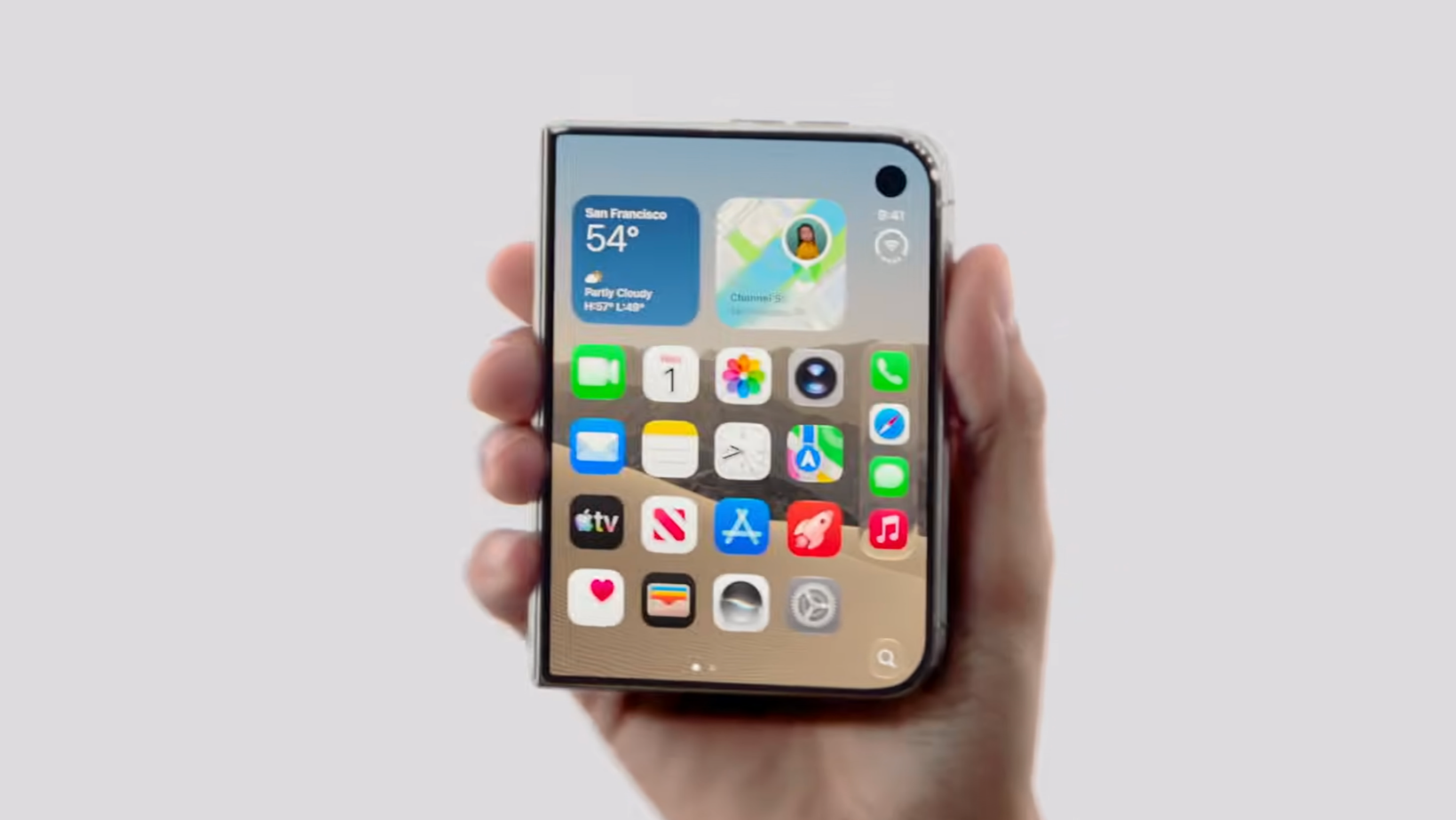
The best part of my iPhone Duo review was seeing a familiar phone feel new. Normal iPhones have changed in small steps for years. Opening the Duo gives you a clear reason to use it in a different way.
The inner screen helped with travel
Travel is where the larger display starts earning its space. A map can sit beside a booking, and a message can stay open beside a browser. A video also has room to breathe without asking you to pack a tablet.
The Duo remains heavy and expensive, but one device can cover more jobs. For anyone who already carries a phone and a small tablet, the trade may make sense.
If the Duo replaces both devices on a trip, a compact MagSafe power bank and a spare USB-C charging cable are sensible additions. The larger screen gives you more reasons to use the phone for long stretches away from an outlet.
The matte finish also keeps the inner screen from looking like a shiny sheet of glass. One practical idea from the test was adding a matte screen protector for a softer feel. The exact choice needs care because folding screens are not the place for a random cheap protector.
New apps made the shape useful
A folding screen needs apps that give you a reason to open it. Route25 was one good example from the test. The app can show Pokémon card binders on a wider canvas, which suits the Duo much better than a narrow phone.
That is a small use, but it gets at the bigger point. A foldable becomes interesting when an app gains something from the extra room. Stretching a normal phone app across a larger screen doesn't count.
Apple has adapted its own apps for the Duo. Other developers can update theirs through Apple's latest tools. The phone will improve as more apps use its shape well, but buyers are paying full price now. They should judge the apps they use today.
Siri AI showed some promise
Siri AI was another positive topic in the test. Without a specific example, I would not treat it as a reason to buy the Duo on its own.
AppleCare eased some of the fear
Foldables have hinges and flexible screens, so repair coverage feels more relevant here. AppleCare One can group several eligible Apple devices under one plan. A family option can cover eligible devices owned by other people in your household.
The Duo is still expensive, but the risk becomes easier to price. Someone spending that much should look at the plan cost, service fees, and theft terms before leaving the store.
Where the Duo became frustrating
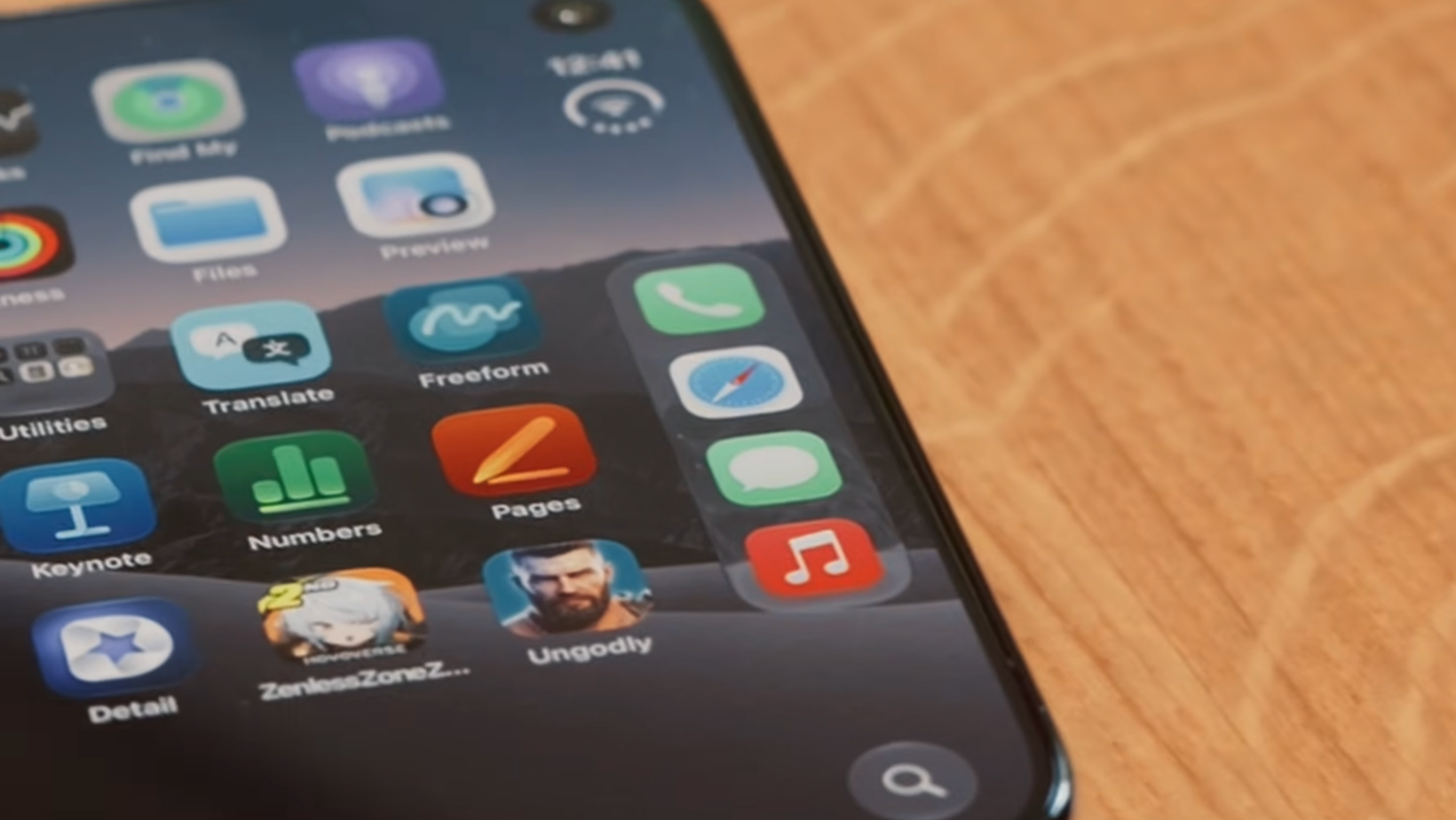
My iPhone Duo review exposed weak spots that had little to do with raw speed. They came from small limits that kept reminding the testers they were living inside Apple's rules.
Touch ID felt too slow
Apple put Touch ID in the side button instead of using Face ID. That makes sense when the phone can be open, closed, or propped at an angle. Touch ID was still one of the test's daily frustrations.
A lock method only takes a moment, but you use it all day. Any delay is harder to forgive at this price. Long-time iPhone users may miss Face ID, while Android users will compare it with faster fingerprint readers.
The menu bar's wasted space
The Duo has more screen, yet part of the interface can feel strangely empty. The right side of the menu bar leaves unused space, and you cannot fill it with more apps or controls.
That complaint says a lot about the Android and iPhone split. Android users often expect to move things, add shortcuts, and change the layout. Apple decides how the space should work, then asks the user to follow along.
Some apps got stuck
App support was less polished than the hardware. Some apps became stuck in the wrong rotation or failed to react well when the phone changed shape. The user was left wondering if they should rotate the phone, close the app, or fold the screen again.
The Missive app was one example of a poor fit. A foldable lives or dies by how well apps move between screens.
The inside and outside screens also raised questions about choice. An Android foldable lets you set up each screen differently. The Duo keeps the experience more consistent, but that can feel limiting if you want separate layouts.
The camera controls felt awkward
Camera Control came up during the test, along with an issue while recording a tire pump. That moment raised a question about the camera experience, but one clip is not enough for a wider verdict.
iPhone Duo vs Galaxy Z Fold 8 for Android users
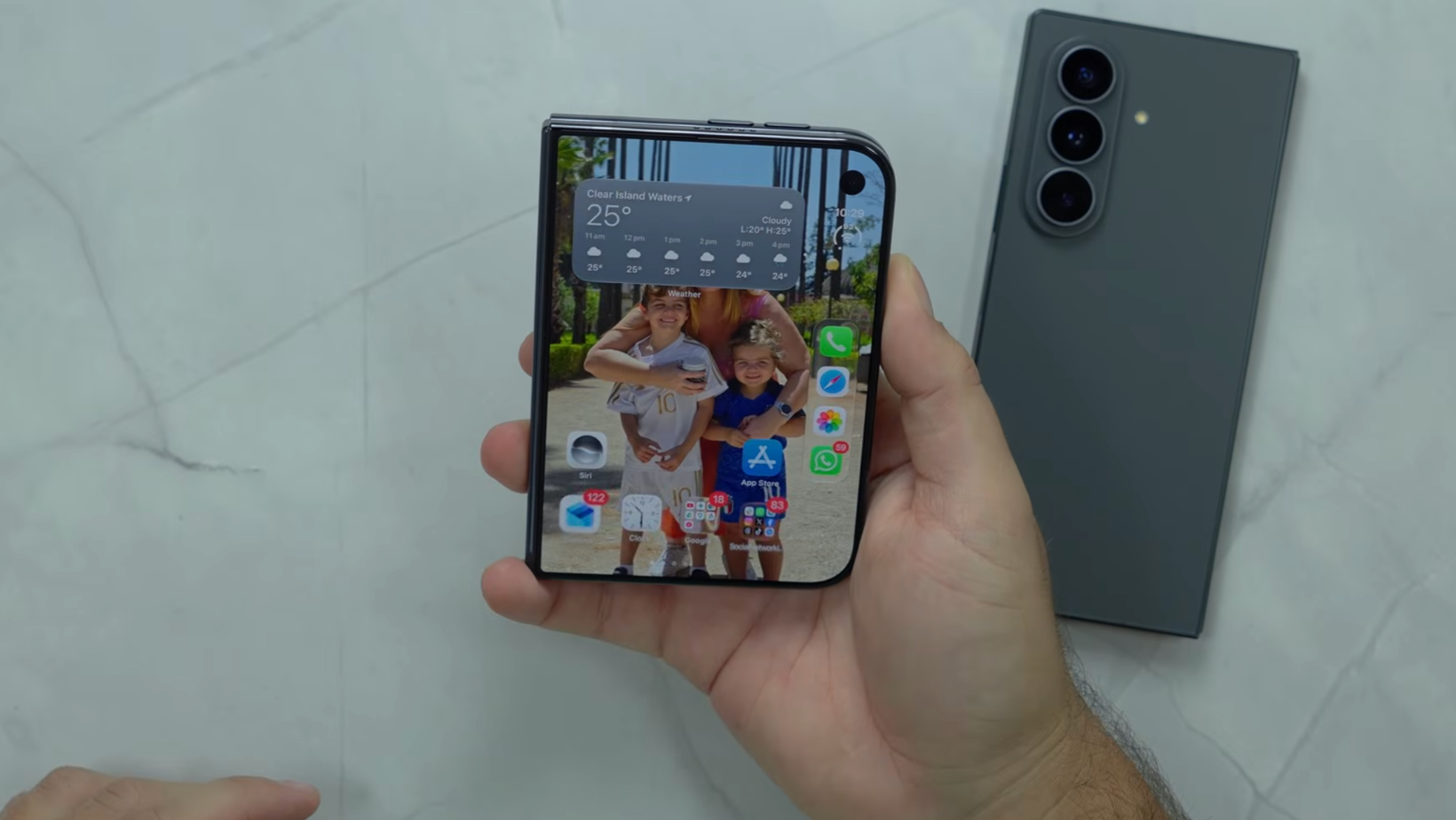
Any iPhone Duo review aimed at Android users needs an iPhone Duo vs Galaxy Z Fold 8 comparison. The Galaxy Z Fold 8 is the closest Android rival, and it comes from a company with years of foldable phone experience.
The Fold 8 starts at $1,899.99 in the US, which is $99 less than the Duo. Samsung's official Fold 8 page lists a 5.5-inch outer screen and a 7.6-inch inner screen. It weighs 201 grams, while the Duo weighs 254 grams, according to Apple. Those numbers give Samsung a clear weight advantage before you add a case.
Apple's strongest answer is the iPhone experience. You get iMessage, FaceTime, Apple's apps, and links with other Apple gear in a new shape. Samsung gives Android users more control over how the phone behaves.
If a regular iPhone is also on your list, I compared it with the foldable in my foldable iPhone vs iPhone 18 Pro Max post. A normal iPhone is cheaper and simpler, but it can't give you the Duo's tablet-sized inner screen.
My test suggests the choice comes down to the software you want around the fold. The Duo is easier to defend if you want iOS and have waited years for a folding iPhone. The Fold 8 is easier to defend if you already like Android and want more ways to set up both screens.
On paper, the Fold 8 is lighter and costs less. The Duo's case rests on iOS, Apple's services, and the appeal of Apple's first foldable.
Can a foldable iPhone win over Samsung loyalists?
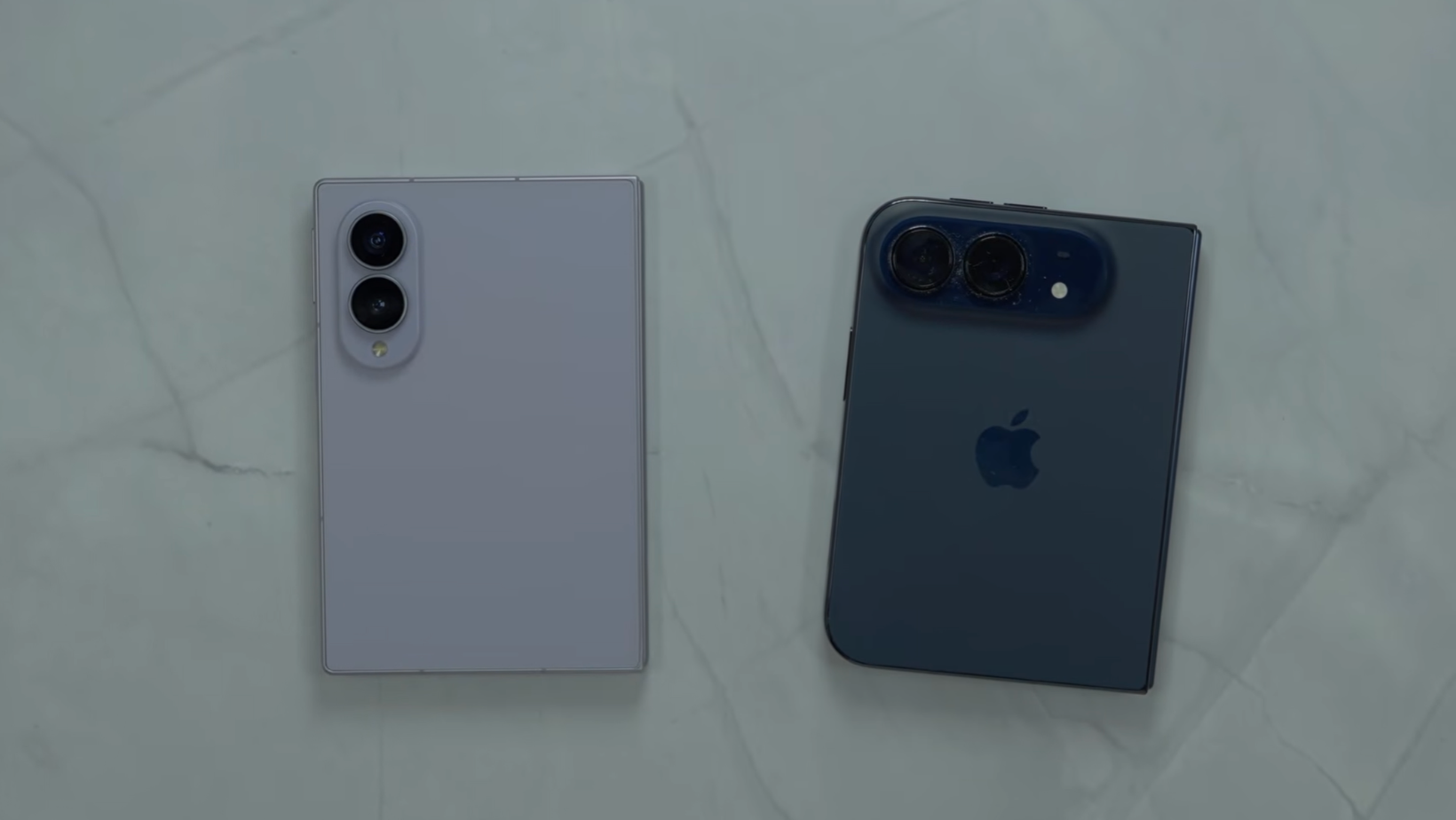
Apple users finally get something they've waited years to try. The Duo pairs a compact outer screen with the largest display Apple has put in an iPhone. It also carries a first-generation price and some first-generation rough edges.
For an Android user, the buying decision is tougher. The larger screen can be great for travel, apps, and video. The software still asks you to give up some choice, and Samsung sells a lighter rival for less money.
Apple has made the iPhone feel new again, but it hasn't removed the old Android objections. The price, locked-down layout, app bugs, and slow Touch ID still make Samsung an easy place to stay.
Android users, would you switch to Apple for this?
For more real-world tech experiments and buying decisions like this one, you can join my Experiments in Progress newsletter.
iPhone Duo FAQs
Is the iPhone Duo an Apple flip phone?
No. The iPhone Duo is Apple's first folding phone, but it opens like a book. It unfolds into a 7.6-inch inner display instead of folding down into a compact square.
Is the iPhone Duo worth it?
Anyone asking, "Is iPhone Duo worth it?" needs to start with how much they value a folding screen. It can make sense for someone who wants iOS and a folding screen in one device. At $1,999, it is hard to defend if a normal iPhone already does everything you need.
Is the iPhone Duo better than the Galaxy Z Fold 8?
Neither phone wins every category. For someone committed to Apple services, the Duo is the better fit. The Fold 8 is lighter, costs a little less at launch, and gives Android users more control.
Does the iPhone Duo use Face ID?
No. The iPhone Duo uses Touch ID in its side button. Apple says this works with the phone open or closed.
Can Android users move everything to the iPhone Duo?
Apple's Move to iOS app can transfer many common items, including contacts, messages, photos, videos, calendars, and WhatsApp data. Some apps, settings, and paid content will still need manual setup.
