


Apple finally made a folding iPhone. It also made one that starts at $1,999 and asks you to give up a few things you probably take for granted on a Pro Max.
If you’re asking, “Is the foldable iPhone worth it before preorders open?” I think that second part deserves more attention than the folding trick itself.
I haven’t lived with a retail iPhone Duo yet, so I’m not going to pretend this is a final foldable iPhone review. But Apple has already confirmed enough for me to see where the compromises are, and some of them are much easier to live with than others.
For me, the useful question is simple: does the 7.6-inch inner screen earn the price, hardware changes, and first-generation unknowns that come with it?
That’s what I’d want to know before spending nearly two grand.
Is the foldable iPhone worth it?
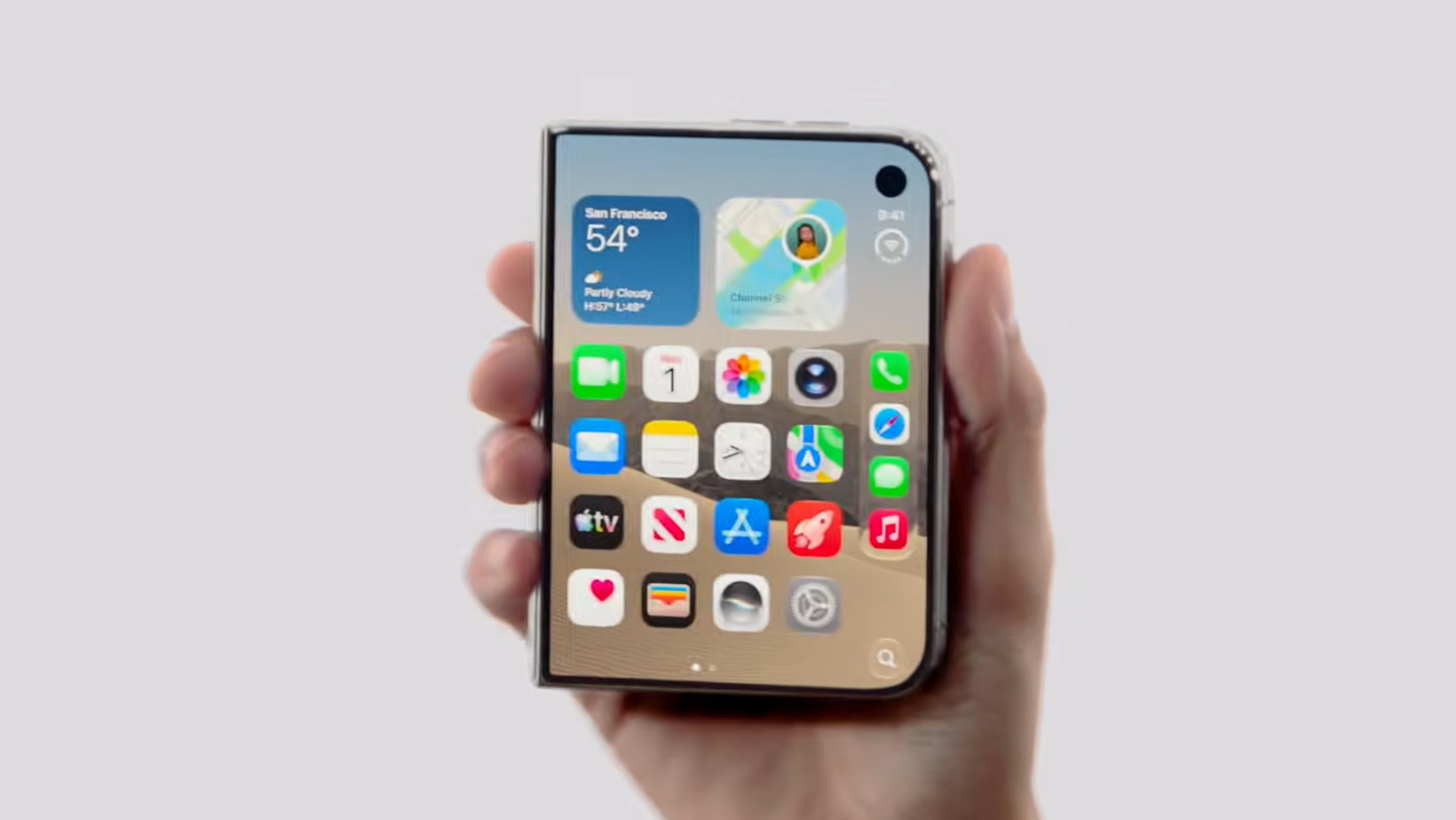
My pre-launch answer is yes for a fairly narrow group of people and probably not yet for everyone else.
If the inner display could take over jobs you currently hand off to an iPad, laptop, or second device, Duo has a real argument. If the main appeal is that Apple finally made something weird again, I’d wait.
Apple says Duo starts at $1,999 in the U.S., with preorders beginning October 16 and availability starting October 23.
Here’s the way I’d think about the compromises.
My take: The folding screen has to solve a real problem for me. Novelty alone is a very expensive use case.
1. The $1,999 elephant in the room
At $1,999 before accessories, I’m judging Duo differently from a normal iPhone. I’m not asking if the screen is impressive. It clearly is. I’m asking what that screen replaces.
So, is the foldable iPhone worth it at $1,999? For me, the answer gets much easier once I can name something I’d stop carrying or doing because Duo exists.
I’d ask what it replaces
Could you leave an iPad Mini-sized device at home more often, or read documents, edit, watch video, and run two apps together on Duo instead of reaching for a laptop? If the larger screen would genuinely make part of your day easier, that's the answer worth paying attention to.
If your answer is basically “I’d unfold it to show people,” you’d struggle.
My foldable iPhone vs iPhone 18 Pro Max comparison goes deeper into those two buying paths.
Deal-breaker level: High if I don’t already have a job for the inner screen.
2. Say goodbye to long zoom
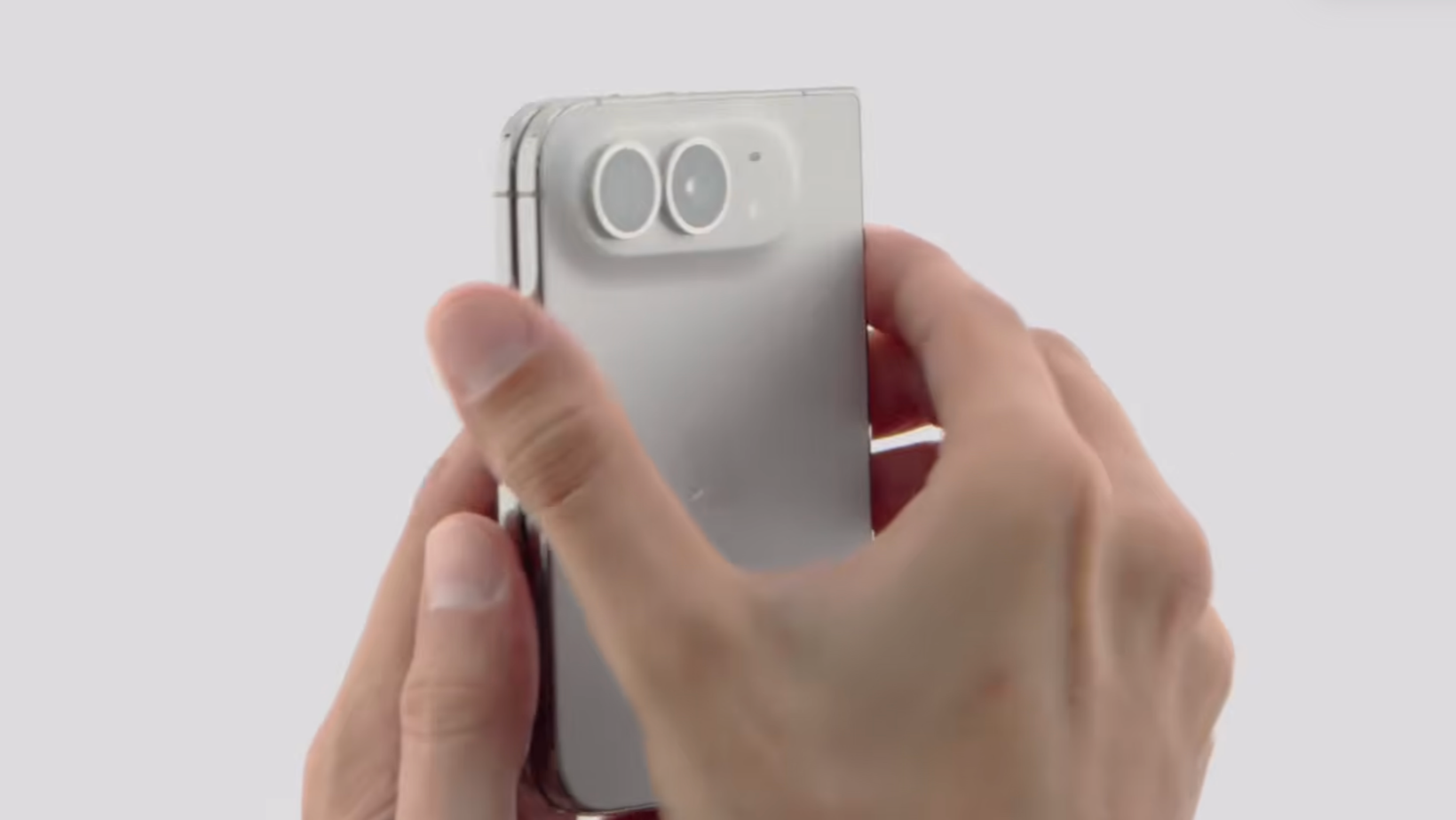
Duo gets a 48MP Main camera, a 48MP Ultra Wide, and a 2x optical-quality option. It does not get the dedicated longer-range Telephoto hardware Apple puts on the iPhone 18 Pro Max.
That’s a real hardware compromise, but how much I’d care depends entirely on what I shoot.
Zoom reach isn't for everyone
For people who regularly photograph concerts, sports, wildlife, events, or travel scenes where you can't physically get closer, the missing reach will be noticeable. If most of your photos happen at 1x or 2x, it's far less important.
My iPhone 18 Pro camera guide goes deeper into what Apple added to the Pro camera system.
My take: I’d rather lose a lens I barely use than pay for a folding display I barely open. The trick is knowing which one describes me.
3. Trading Face ID for Touch ID

Duo uses Touch ID built into the side button instead of Face ID. Apple says that setup works with the phone open or closed.
I wouldn’t automatically call that worse, but I would call it something I’d notice.
Tiny spec, daily habit
Face ID has become one of those things I barely think about until it disappears. Touch ID could work brilliantly on a folding phone, especially when Duo is sitting on a desk or open at an angle. I can also imagine reaching for the phone and missing the habit of having it unlock as soon as I look at it.
That’s hard to judge from a spec page.
My take: I wouldn’t reject Duo over Touch ID before trying it. I’d pay attention to how often I wished Face ID was still there.
4. Thin comes with an asterisk
Apple lists Duo at 5.2mm thick when open. That sounds ridiculous. Fold it shut, and it measures 11.3mm. It weighs 254g.
Open thin isn’t pocket thin
Five-point-two millimeters sounds fantastic until you remember you generally put the phone in your pocket folded.
That doesn’t make Duo enormous. It does make the “thinnest iPhone” idea much less useful when I’m thinking about daily carry.
Then I’d probably put a case on it.
Apple’s iPhone Duo Case starts at $79, while the iPhone Duo Folio with Kickstand] starts at $129.
The Folio is interesting because the folding design makes a kickstand much more useful for reading, video, calls, or desk work.
It also means an already thicker folded phone gets another layer around it.
5. Battery life gets weird
Battery is where Duo gets strange. Apple rates it for up to 44 hours of video playback using the outer display, but that drops to 31 hours on the inner display. Apple also lists up to 24 hours of typical use.
Those figures tell me something useful, even if they don’t tell me how long my day will last.
The bouncing-between-screens test
Someone who handles most quick tasks on the outer screen could get a very different result from someone opening Duo constantly for video, documents, games, and multitasking. That’s the test I care about.
I want to know what happens after a normal day of bouncing between both screens, taking photos, using GPS, listening over Bluetooth, checking messages, and spending a questionable amount of time scrolling.
Apple's playback numbers can't answer that for me. If I were buying one at launch, I'd probably keep a magnetic battery around on longer days.
The UGREEN MagFlow 10,000mAh Qi2 25W Power Bank and Baseus PicoGo AM61 Qi2.2 Magnetic Power Bank 10,000mAh 45W are the kind of options I'd look at rather than carrying another giant charger.
6. The crease verdict needs months
Apple says the nano-texture inner display is designed to minimize crease visibility. It does not say the physical crease disappears.
TechRadar's Lance Ulanoff found the crease difficult to see in his hands-on, but users examining TechRadar's own photos later pointed out it could become visible at certain angles and lighting.
Launch-day looks won’t always hold up
I’m much less interested in how the crease looks on a pristine demo unit than I am in how it looks after three or six months.
That means thousands of folds, plus the heat, dust, pocket lint, and fingerprints that come with normal use, from someone who's stopped treating the phone like a newborn. That’s the test.
My take: If I need perfect lighting and a strange angle to notice the crease after six months, I probably won't care. I don't know that yet.
7. Hinge durability is TBD
Apple has put a lot of engineering into the hinge, and the company describes it as supporting the center of the display while keeping the phone stable in different positions.
I don’t have evidence that the hinge is a problem. I also don’t have a year of real-world ownership telling me it isn’t.
The honeymoon period ends eventually
A few minutes at a launch event can tell me if a hinge feels smooth. It cannot tell me what it feels like after thousands of opens and closes.
I’ve already spent time looking at the less glamorous side of foldable ownership in my 2 Weeks with Fold 7 follow-up post.
That was a Samsung phone, so I’m not transferring any of its issues to Duo. What I took from it is simpler: some foldable quirks only become obvious after the honeymoon period. That’s why I’m giving Duo time before making a durability call.
Think about repairs now
A $1,999 phone with a folding OLED panel and a hinge makes me think about repairs more than a normal iPhone would.
That doesn’t mean I’m expecting it to break. It means the financial downside gets bigger if something does.
Budget for AppleCare+
I wouldn’t invent a Duo hinge or inner-screen repair price before Apple publishes a clear current figure for the service I’d need.
I would check AppleCare+ pricing before ordering and treat it as part of the ownership cost rather than an afterthought.
That becomes even more important on a first-generation device where long-term repair experiences simply don’t exist yet.
Third-party apps hold the key
Hardware is only half of Duo. A 7.6-inch display helps me if the apps I use know what to do with it.
Bigger doesn't mean better
Apple controls its own software, so I’d expect its apps to make decent use of the larger screen. Third-party apps are the bigger question.
If an app simply stretches a normal phone interface across 7.6 inches, I’m not getting much value from the extra space.
I want to see how apps move between the outer and inner displays, how many make proper use of split layouts, and how often the larger screen saves me from opening another device.
That may end up being a bigger first-gen issue than any single hardware spec.
So, is the foldable iPhone worth it for you?
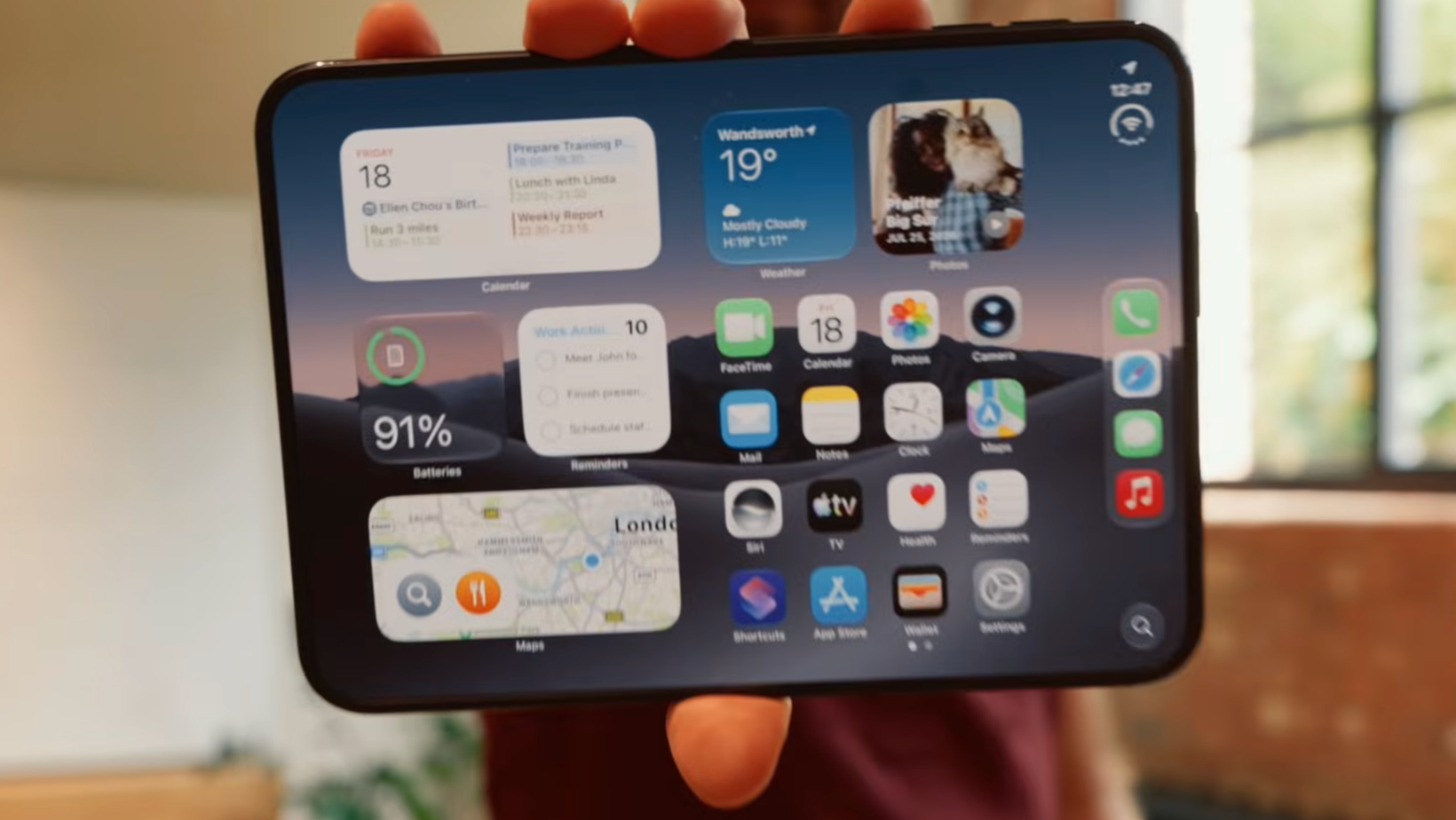
The foldable iPhone pros and cons get much easier to judge once I stop treating Duo like an automatically better iPhone.
I’d think about it as a different kind of iPhone with a very specific reason to exist.
Preorder if you have a plan
Preordering makes sense if you can already name several things you'd do on the inner display every day.
Reading long documents, using two apps together, editing, watching video, self-recording, or replacing some tablet use would all give you a reason to keep opening it.
The price would also need to fit comfortably into your budget. If the question is "Should I buy a foldable iPhone now?", that's the standard to use.
Curiosity can wait
I’m curious about Duo too. Curiosity isn’t enough for me to spend $1,999.
Waiting gets me real-world battery tests, better information about the crease, third-party app behavior, repair experiences, and a much clearer picture of how the hinge and inner display age.
It also gives people time to find all the irritating little things nobody notices during a ten-minute demo.
My take: The safest Duo purchase may be the one made after other people have spent a month finding the annoying stuff.
Pro Max for the safe bet
If you care more about long zoom, Face ID, conventional handling, and reducing first-generation uncertainty, Pro Max is the better lean.
I wouldn’t repeat the entire comparison here. My foldable iPhone vs iPhone 18 Pro Max guide gets into that decision in much more detail.
My biggest first-gen concern
My biggest concern isn’t that Duo will break. I don’t know that. It’s that I’d spend $1,999 on a folding screen and realize I rarely unfold it.
I’ve already forced lifelong iPhone users to live with a foldable, and one of the most interesting things was how differently people used the inner screen.
That’s why the first thing I want to know after a month with Duo is incredibly boring: how often did I open it?
For me, the answer to “is the foldable iPhone worth it?” comes down to that more than anything else.
The hinge could be brilliant. The crease could stay subtle. The battery could be fine. But if you spend most of your day on the 5.4-inch outer display, you've bought a very expensive solution to a problem you didn't have.
For more real-world tech experiments and buying decisions, you can join my Experiments in Progress newsletter.
Frequently asked questions
Here are the quick answers I’d give before Duo reaches customers.
Is the foldable iPhone worth it?
It can be, if the inner screen replaces something you already use another device for. Without a clear regular use for the larger display, it's worth waiting for real-world testing before spending $1,999.
Is this a foldable iPhone review?
No. This is a pre-launch buying analysis based on confirmed hardware and clearly attributed early hands-on information, not a review of a retail unit.
What are the biggest foldable iPhone pros and cons?
The biggest pros are the 7.6-inch inner display, multitasking potential, and flexible form factor. The biggest cons are the price, missing long Telephoto, folded thickness, loss of Face ID, and the unanswered durability and ownership questions.
Should I buy foldable iPhone or Pro Max?
Choose Duo if the inner display would see constant use. Choose Pro Max if camera reach, Face ID, familiar handling, and fewer first-generation unknowns are higher priorities.
Does iPhone Duo have a crease?
Yes. Apple says its nano-texture display treatment minimizes crease visibility, but it does not claim the crease is gone. Months of real-world use will be needed before judging how noticeable it stays over time.
