


For years, getting proper surround sound meant committing to a full 5.1 setup. A traditional AV receiver, five speakers, a subwoofer, and enough cabling to rewire a small house. It sounded great. It also meant a weekend of routing cables behind walls and then never touching any of it again because moving anything felt like a project.
That's changed. Wireless surround sound systems have gotten genuinely good, and the Sonos vs LG surround sound question is one I get asked about constantly in 2026. Both the Sonos Arc Ultra system and the new LG Sound Suite promise proper Dolby Atmos without a traditional AV receiver, the cable runs, or a dedicated home theater room.
They're not the same thing, though. Depending on how you use your living room, one is going to suit you a lot better than the other.
Full disclosure: this post includes coverage of the LG Sound Suite, which is a paid partnership with LG.
A Quick Look at Sonos vs LG Surround Sound
Before getting into what each one does well, it helps to understand what you're choosing between here.
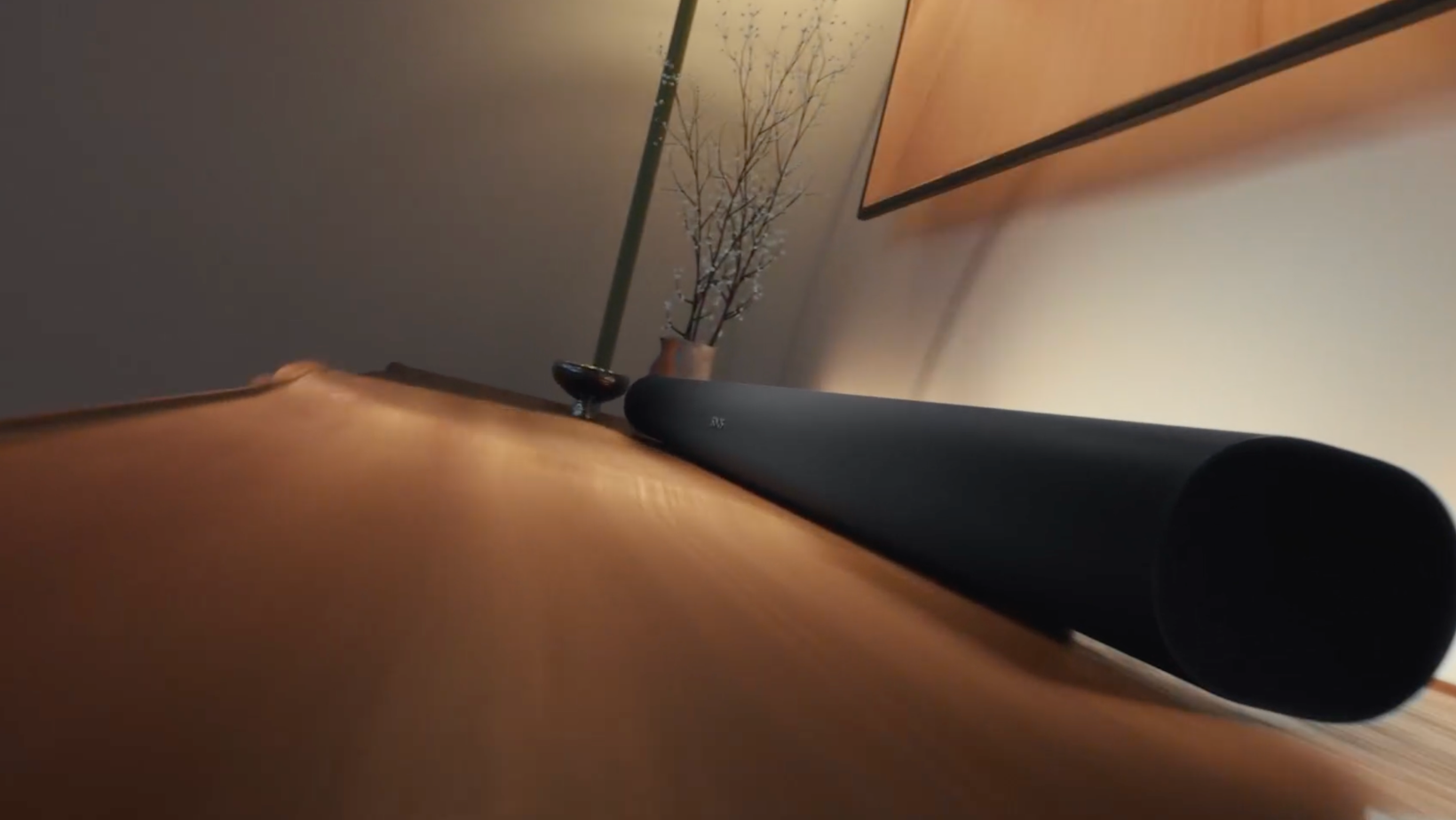
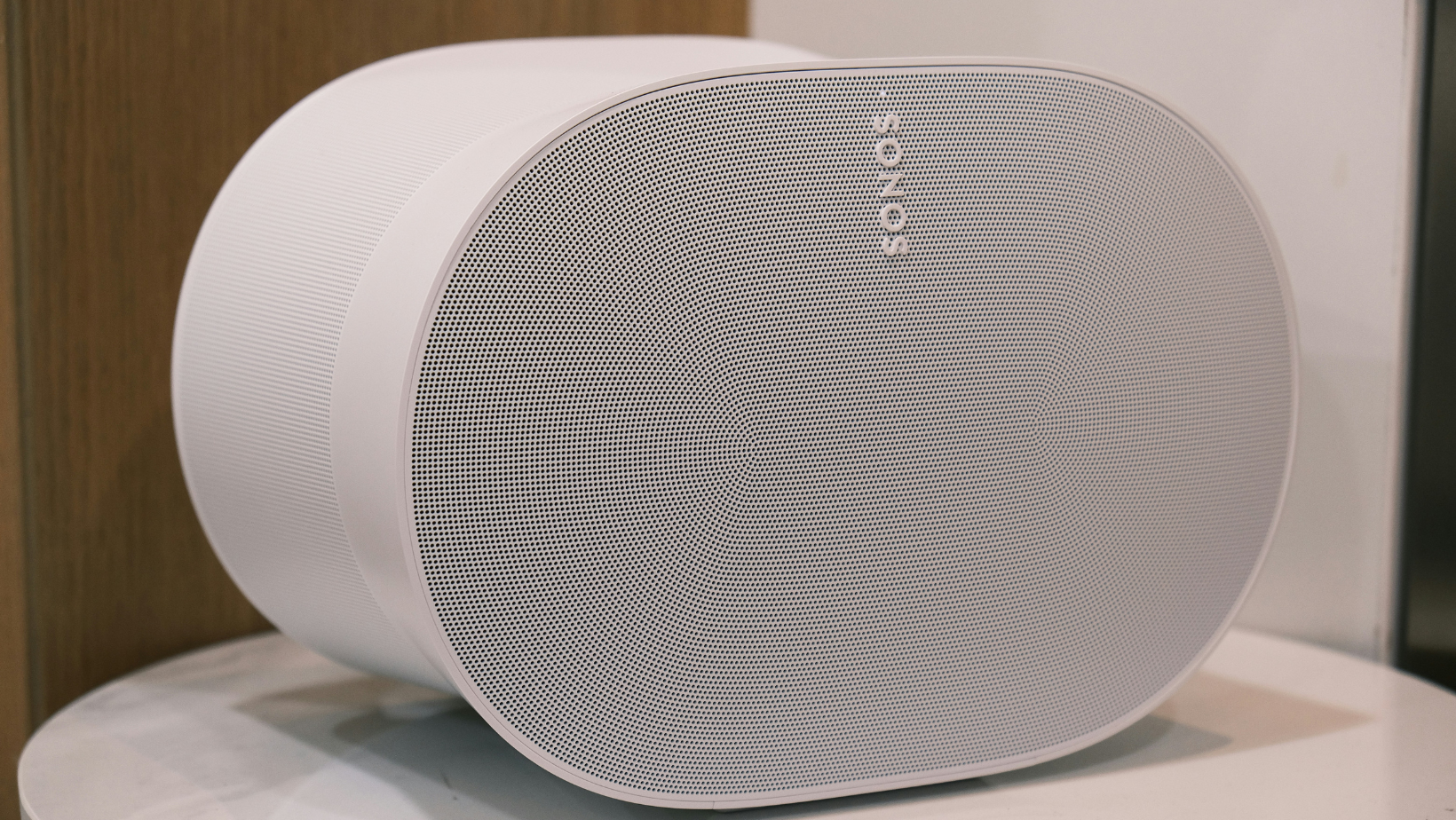
Sonos is a whole-home audio ecosystem built around the Arc Ultra soundbar, the Sub 4 subwoofer, and Era 100 rear speakers. A full system can run you anywhere between $1,500 and $2,500 depending on configuration and where you buy. It connects over WiFi with AirPlay 2 and Spotify Connect, and is controlled through the Sonos app.
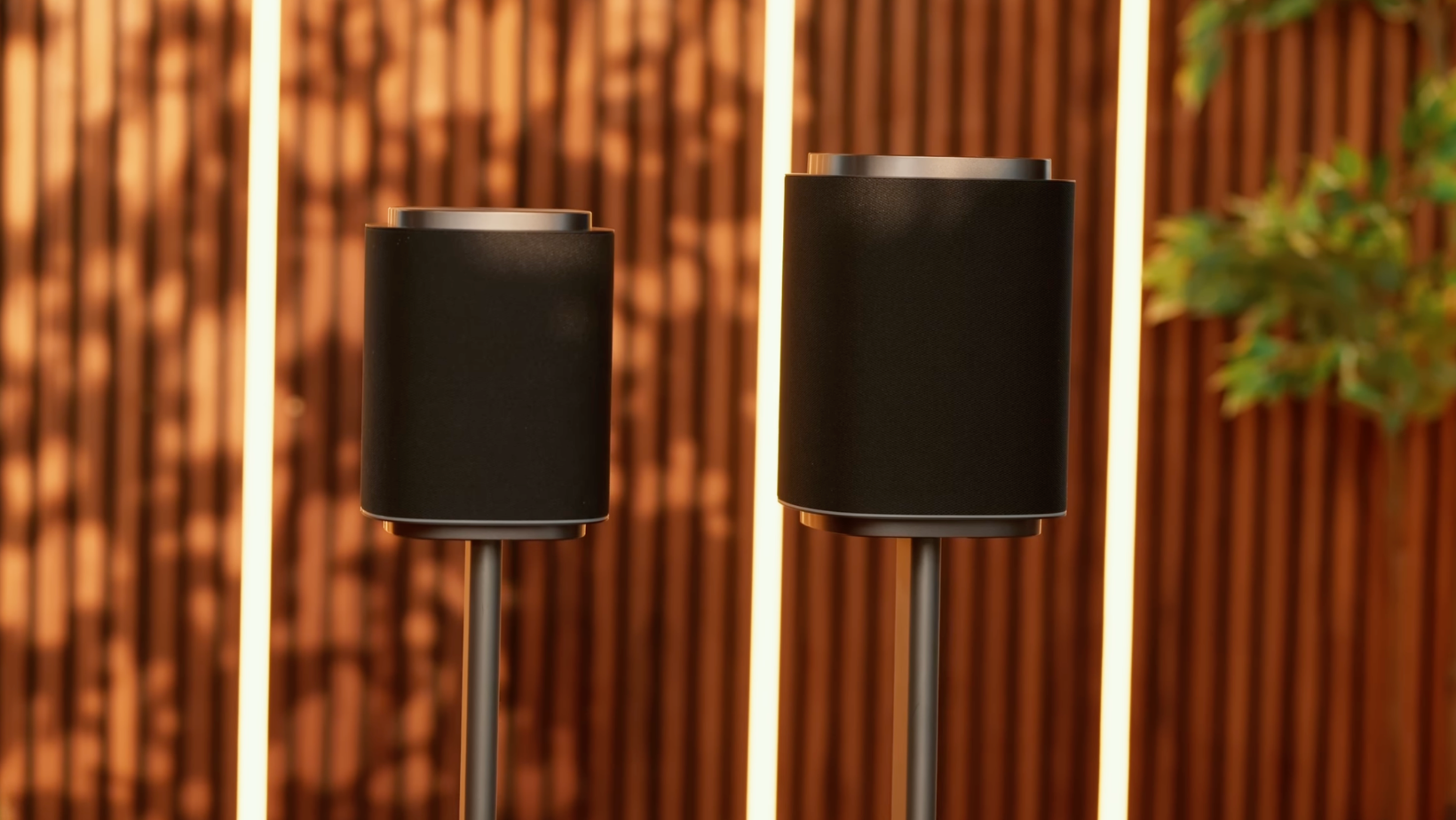
LG Sound Suite is built around the H7 soundbar, the world's first soundbar with Dolby Atmos FlexConnect, plus the W7 subwoofer and M5 or M7 satellite speakers. Prices fluctuate, but a comparable full setup tends to land in a similar range. The key difference is FlexConnect, which calibrates the system based on where you place the speakers rather than requiring precise positioning to work properly.
Both are a big step away from traditional wired setups, and both are absolutely worth considering. But the Sonos vs LG surround sound decision comes down to your specific living room situation more than most people expect.
Quick Snapshot of the Differences Between Sonos and LG Sound Suite
Why Traditional Surround Sound Is Losing the Argument
A traditional 5.1 system still sounds incredible when it's set up well. I tested the Arc Ultra, Sub 4, and Era 100 against a wired setup built around the KEF Q7, KEF Q150, Polk S35, and SVS 2000 Pro.
Worth noting: these aren't equivalent categories. A soundbar system and a traditional separates setup are solving different problems, and the wired setup won on raw audio performance. Hard to argue otherwise.
But most people aren't optimizing for peak audio in a vacuum. They want a living room that works for their family and their furniture layout, without a cable-routing weekend every time something needs to move. Wireless systems have made that possible.
Sonos Nails This
Best for: households that want a simple setup, whole-home audio, and gradual upgrades.
There are a few areas where Sonos has a clear edge, and they're the ones that matter most for most households.
Setup Is a Breeze
Plug in the Arc Ultra, connect it to your TV via HDMI eARC, open the Sonos app, and you're mostly done. Adding the Sub 4 and Era 100 rear speakers takes a few more minutes, but the app walks you through everything. Trueplay, Sonos's room calibration feature, analyzes your room acoustics and adjusts the sound accordingly. It works well enough that most people won't feel the need to tinker.
The Sound Is Awesome
The Arc Ultra is designed to deliver a 9.1.4 spatial audio experience with Dolby Atmos, powered by 14 drivers in the soundbar itself. Dialogue was consistently clear in testing. Sonos uses AI-powered Speech Enhancement to clarify voices, which makes a huge difference in rooms with hard floors or ambient noise.
Add the Sub 4 and rear Era 100 speakers, and you've got a surround sound experience that holds its own against other wireless setups in the same price range.
It’s Easy to Upgrade Later
You don't have to buy the full system upfront. Start with the Arc Ultra, add the Sub 4 when you want more bass, add rear speakers when you want full surround. Every Sonos speaker you already own can be pulled into the setup.
If you have a Sonos One in the bedroom, it can become a rear speaker. That flexibility is one of the reasons Sonos keeps winning the Sonos vs LG surround sound debate, especially if you’re already invested in Sonos gear.
LG Sound Suite Nails This

Best for: LG TV owners and awkward room layouts
LG does things a bit differently, but it really shines in a few specific ways.
Your Speakers Can Live Anywhere
The M5 and M7 satellite speakers connect wirelessly over WiFi, which means the audio signal runs cable-free. They do still need to be plugged into wall power, but because there's no audio cable tethering them to the soundbar, you have freedom to place them pretty much anywhere. That’s a huge win if your room layout doesn’t make sense to have speakers set up conveniently close to your TV.
Dolby Atmos That Adapts to Your Room
FlexConnect is LG Sound Suite’s secret weapon. Good speaker placement improves any Dolby Atmos system, but FlexConnect makes that way less important. LG Sound Suite AI Surround Sound System uses the LG ThinQ app to measure where your speakers are and recalibrates the system to create a proper 3D soundscape, which is crazy. Instead of rearranging your living room or settling for less optimal output, the system adapts.
Sound Follow is also another awesome feature. It’s available when connected to the H7 soundbar under an active FlexConnect connection, and tracks your phone's location to subtly adjust the audio mix as you move around the room. In testing, it was one of those features you stop noticing because it's just working so well.
And the App Doesn’t Make You Want to Smash Your Phone
The LG ThinQ app is well designed. Setup is clear, calibration is straightforward, and AirPlay and Google Cast support means you're not locked into one streaming ecosystem. If you have a regular or an OLED LG TV 2026 from 2025 or 2026, AI Sound Pro+ uses advanced signal analysis to fine-tune clarity and spatial depth based on what you're watching. You can just enjoy your comfort TV show, a movie night with friends, and an intense gaming session in peace.
But… neither is perfect
No piece of tech is going to be perfect. Sonos has a well-documented history of app issues. The 2024 redesign was a rough period, and while things have definitely improved, connectivity glitches happen more than I’d like. When I was testing it, there were drop-out moments my wired system never had. Sonos has fixed most of these issues through software updates, but if rock-solid reliability is non-negotiable for you, then it might not be the right one for you.
LG Sound Suite's issues come with its price and conditions. Prices fluctuate, but a full FlexConnect setup with speakers and subwoofer can run you anywhere from $2,000 upward depending on your setup. That price tag just isn’t going to be realistic for everyone.
Sound Follow only works under an active FlexConnect connection, and AI Sound Pro+ requires a compatible LG TV. With a non-LG TV, you lose some of the most compelling reasons to choose it over the Sonos option.
Quick Sonos vs LG Surround Sound Comparison
So Which One Is Right for Your Living Room?
The Sonos vs LG surround sound decision really comes down to how you use your space. If you want something that works with any TV, integrates across your whole home, and lets you build gradually, Sonos is the more practical long-term bet. The ecosystem is mature, the sound is excellent, and setup is about as painless as home audio gets.
If you have a newer LG TV and your room layout doesn't work for traditional speaker placement, LG Sound Suite is probably for you. FlexConnect is unmatched, the flexible wireless placement gives you tons of options, and the platform really feels like the next step in surround sound.
So, the question comes down to which trade-offs work better for your living room.
FAQs
Is Sonos or LG Sound Suite better for most living rooms?
In the Sonos vs LG surround sound comparison, Sonos is the more versatile choice for most people. It works with any TV, and you can build the system gradually. LG Sound Suite is the stronger option if you have a compatible LG TV and want the most flexible wireless speaker placement available right now.
Does LG Sound Suite work with non-LG TVs?
The H7 connects to any TV with HDMI eARC, so basic setup works regardless of TV brand. However, AI Sound Pro+ and deeper ThinQ integration only work with select LG TVs from 2025 and 2026. You'll still get a solid system, just not the full feature set.
Does Sonos still have app problems in 2026?
The issues from the 2024 redesign have largely been resolved. Occasional connectivity glitches still occur, but the day-to-day experience is significantly more stable. For most users, it won't be a regular frustration.
What does Dolby Atmos FlexConnect do?
Standard Dolby Atmos performance improves with better speaker placement, but FlexConnect reduces how much that matters. It measures where your speakers are using the LG ThinQ app and adjusts the audio output so the surround effect works well wherever the speakers happen to be sitting.
Can you mix Sonos speakers from different generations?
Yes. Older Sonos speakers can be repurposed as rear surrounds or room speakers within the same app, which is one of the practical advantages of investing in the Sonos ecosystem over time.
