


When I ditched my Xbox and jumped over to the PS5, I thought the hardest part would be getting used to the new controller. Nope. The real challenge? Finding a decent headset.
See, on Xbox I’d already built up a collection of headsets that “just worked.” But the PS5 has its own quirks, like 3D audio, Tempest Engine, and different wireless dongles.
So I did what any rational human (or slightly obsessive tech nerd) would do: I tested the lot to figure out which headset actually deserves a spot on your PS5 setup.
What to Look For in a PS5 Headset
Before we dig in, let’s take a look at what actually matters when choosing a PS5 headset.
3D Audio Support
The PS5 has its own Tempest 3D Audio system, which can make games feel properly immersive if your headset plays nice. Not every headset handles it equally well, so you want one that really takes advantage of Sony’s spatial tricks.
Wireless vs Wired
Wireless is obviously nicer for lounging on the sofa, but latency can ruin the experience if the headset isn’t built for consoles. Wired headsets avoid that problem, but you’ll have to live with a cable snaking across your lap like it’s 2006.
Comfort
Sounds obvious, but if you’re gaming for two, three, four hours (or “just one more round” that turns into ten), comfort matters more than you think.
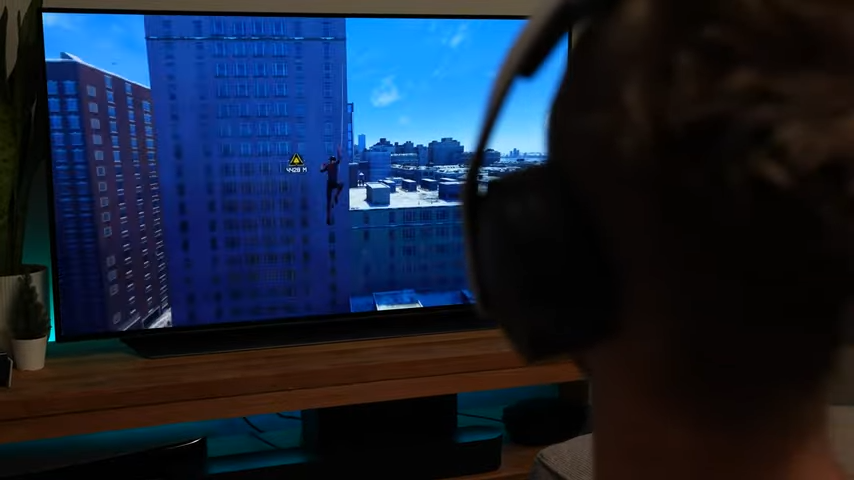
Lightweight builds, decent clamping force, and breathable ear pads are non-negotiable.
Microphone Quality
If you’re that teammate who sounds like you’re shouting from the bottom of a well… It’s time for an upgrade. A good mic makes all the difference for co-op and online play. Some PS5 headsets nail this. Others, not so much.
Battery Life
A lot of headsets promise 30-40 hours. But in practice, that number drops once you crank up the volume or use wireless. My personal test: does it last a weekend gaming binge without panic charging?
Best Official Option: Sony Pulse 3D Wireless Headset
If you want something that works straight out of the box with your PS5, the Pulse 3D headset is the obvious first stop. It was designed specifically for the console’s Tempest 3D Audio, and it plugs straight into that promise: better positional sound, more immersive gameplay, and no fiddling with settings.
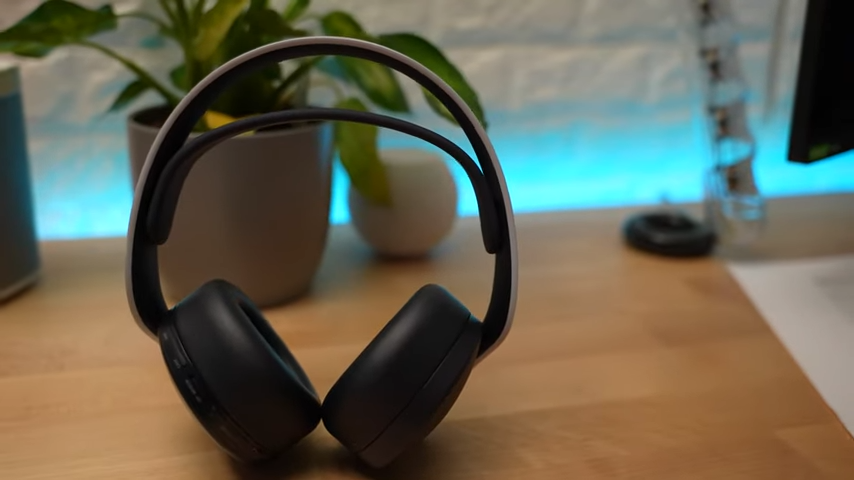
On the plus side, it’s lightweight, fairly comfortable, and won’t completely wreck your bank account. The 3D audio tuning is genuinely impressive in games like Spider-Man 2 and Returnal, where you can actually feel sounds move around you.
The downsides? Battery life is a modest 12 hours, which feels weak compared to competitors, and the microphone is… okay. Teammates will hear you, but don’t expect podcast-quality audio. Build quality is also on the cheaper side, which makes sense given the price.
The bottom line? The Pulse 3D is perfect if you’re a casual gamer who wants plug-and-play simplicity. But if you’re playing competitively, or just want better comfort and battery life, you’ll want to keep reading.
Best All-Rounder: SteelSeries Arctis 7P
If the Pulse 3D is Sony’s “good enough” headset, the SteelSeries Arctis 7P is the one that feels like it was actually designed for people who spend hours gaming.
First up: comfort. SteelSeries have nailed the lightweight headband + fabric earcup combo, so you can wear these for an entire evening without your ears turning into sweaty pancakes. The retractable mic is a neat touch, too. It’s there when you need it, disappears when you don’t.
Sound-wise, the SteelSeries Arctis 7P is excellent for the price. You get crisp detail, punchy bass, and proper separation that makes competitive shooters like Call of Duty or Fortnite easier to play. Add in full support for the PS5’s 3D audio, and you’ve got a headset that sounds far better than the Pulse 3D.
Battery life is around 38-40 hours, which is basically “charge it once a week and forget about it.” The wireless dongle works flawlessly with PS5, and you also get Bluetooth support; handy if you want to use them with your phone or laptop.
The only catch? They’re not cheap. You’re paying more than double the Pulse 3D, but in my opinion, they’re the best all-around PS5 headset right now.
Best Premium Pick: Audeze Maxwell for PlayStation
If you’re the kind of player who notices every footstep, every reload click, and every tiny detail in a game’s soundtrack, the Audeze Maxwell is your headset. It’s not cheap, but it’s easily one of the most impressive PS5-compatible headsets I’ve tested.
The big draw is sound quality. Audeze use planar magnetic drivers (a fancy way of saying “ridiculously detailed”), and it shows. Explosions have weight, voices are crystal clear, and music sounds like you’re listening on proper audiophile headphones rather than a gaming headset.
Then there’s the battery life: a frankly absurd 80+ hours on a single charge. I had to keep reminding myself to actually plug them in because they just never seemed to die.
The build is also rock solid with an aluminium frame and thick padding. The only catch is that they’re heavy. After a few hours, you’ll start noticing the weight compared to something like the SteelSeries.
The Maxwell is overkill for casual players, but if you want the best sound on PS5 (and don’t mind the price or weight), it’s the premium choice.
Best Budget Option: HyperX Cloud Stinger 2
Not everyone wants to spend SteelSeries or Audeze money on a gaming headset, and that’s where the HyperX Cloud Stinger 2 comes in. For the price, it’s surprisingly good… which is proof that you don’t need to empty your wallet to get a solid PS5 headset.
The design is simple but effective. It’s lightweight, the earcups are comfy enough for long sessions, and the build feels sturdy for something in this price bracket. No fancy materials, but also nothing that feels like it’ll snap after a few weeks.
The sound quality is decent. It’s not mind-blowing, but it’s balanced enough for both gaming and the odd Spotify session. You won’t get the same depth or detail as the more expensive headsets, but footsteps, explosions, and voice chat all come through clearly.
The mic is also actually pretty good at this price. Teammates will hear you loud and clear without too much background noise, which is more than I can say for some pricier options.
Of course, there are compromises. It’s wired, so you’ll have a cable to deal with, and there’s no fancy 3D audio optimisation beyond what the PS5 itself does. But for a budget-friendly option that covers the basics well, the HyperX Cloud Stinger 2 is an easy recommendation.
Head-to-Head Comparisons
If you’re already glazing over from all the details, here’s a side-by-side look at the headsets I tested, what they do best, and where they fall short.
Final Verdict: What’s the Best Headset for PS5?
So, what’s the best headset for your PS5? The truth is, it depends on what kind of gamer you are.
- If you want something official, cheap, and simple, the Pulse 3D does the job.
- If you care about comfort, versatility, and solid performance across the board, the SteelSeries Arctis 7P is the one I’d personally keep.
- If you want the absolute best sound and don’t mind the price (or the weight), the Audeze Maxwell is unbeatable.
- And if you’re on a strict budget, the HyperX Cloud Stinger 2 covers the essentials without costing more than the game you’re playing.
For me? The SteelSeries Arctis 7P strikes the perfect balance. It’s the headset I can wear for hours, forget I’m even wearing them, and trust to work every single time I switch on the PS5.
