


Apple launched two watches with the same S11 chip, the same new Health Sensing System, and a lot of the same everyday health features. Then it put $400 between them.
That’s what makes Apple Watch Series 12 vs Ultra 4 more interesting than a normal spec comparison. Apple Watch Series 12 starts at $399 in the U.S. Apple Watch Ultra 4 starts at $799. Apple isn’t charging twice as much because Ultra gets some magically faster chip or a completely different health platform. The differences are mostly physical: battery, GPS, satellite features, water resistance, screen brightness, controls, and a much larger titanium case.
I haven’t spent enough comparable time with both watches to turn this into a final battery or GPS test, so I’m sticking to what Apple has confirmed and clearly attributed testing where useful.
If you’re comparing Apple Watch Ultra 4 vs Series 12, start with one question: what inconvenience are you paying Ultra money to remove?
Apple Watch Series 12 vs Ultra 4 at a glance
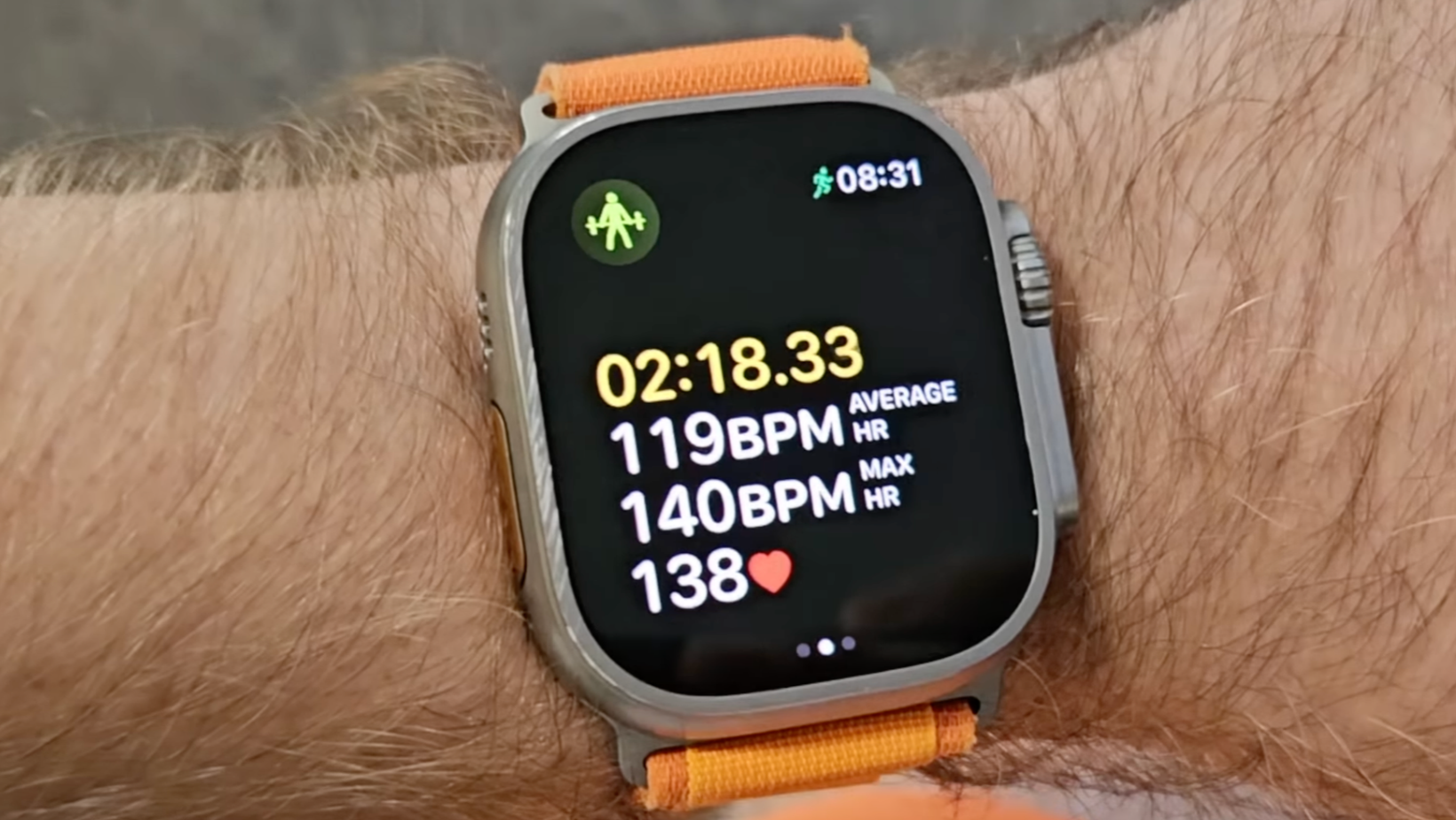
For most people, Series 12 gives you the important new Apple Watch experience for a lot less money.
Ultra 4 starts making sense when you have a real use for the longer battery, dual-frequency GPS, satellite connectivity, 100m water resistance, diving hardware, brighter display, Action button, or simply want the larger Ultra design.
Here’s the short version.
You can compare the battery, display, GPS, safety, and water specs across Apple’s current Watch lineup.
The Apple Watch Series 12 vs Ultra 4 decision gets much easier once you stop thinking of Ultra as the “better” version and start treating it as the specialist version.
Both watches get the health upgrades
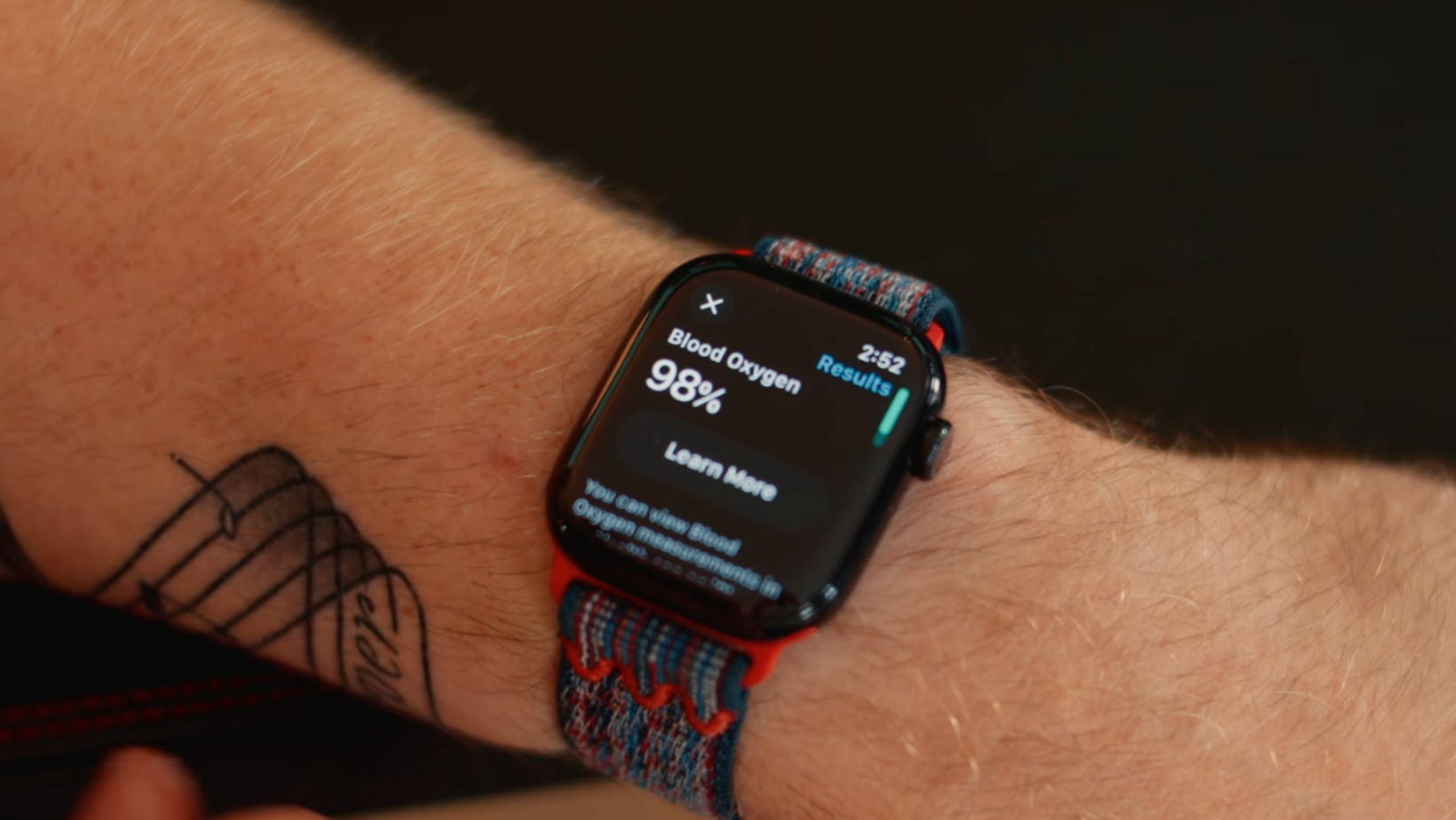
This is probably the most important thing to understand before spending the extra money.
Both watches use Apple’s new S11 chip and Health Sensing System. Both get Readiness, Recovery HRV, higher-frequency background heart-rate tracking, the Vitals app, ECG, sleep tracking, sleep score, and the broader watchOS 27 health platform.
You don't need Ultra for Readiness
Apple says the new Health Sensing System enables more frequent heart-rate and HRV measurements and powers its new Readiness experience.
Those are some of the biggest health changes Apple talked about this year, and you don’t need Ultra 4 to get them.
If you’re spending another $400 because you assume Ultra gives you a much more advanced everyday health tracker, stop there.
The extra money is going toward a different set of features.
Don't buy for future features
A few of Apple's newer health and intelligence features aren't fully available yet. The redesigned Health app lands later in 2026, and Live Rewind and Siri Recap arrive in beta with their own device, language, and regional requirements. Don't buy the watch for what these features will eventually do; buy it for what it does right now.
50 hours vs 24 hours
This is where the extra money starts buying something you could notice constantly. Apple rates Series 12 for up to 24 hours of normal use. Ultra 4 is rated for up to 50 hours.
That’s more than twice the headline endurance, and Ultra can stretch to 84 hours in Low Power Mode. Apple also offers extended workout modes on Ultra, including up to 45 hours in Max Extended Workout mode.
12 hours from a 15-minute charge
Shorter battery life matters less when charging is easy. Apple says 15 minutes on a fast charger gives Series 12 up to 12 hours of additional use.
If you already take your watch off while showering, getting dressed, or sitting at a desk, that may be all you need.
A spare Apple Watch Magnetic Fast Charger to USB-C Cable (1 m) at a desk or in a travel bag can make that routine even easier.
Charge less with Ultra
Ultra 4 gets up to 18 hours of use from the same 15-minute charge, but the bigger advantage is needing to charge less often in the first place.
That matters for sleep tracking, travel, camping, long training days, and anyone who regularly realizes their watch is at 12% five minutes before leaving the house.
You don’t need to be halfway up Everest to appreciate charging your watch less often. My Garmin vs Apple Watch after one-year experiment gets into how much battery and training habits can change the smartwatch experience over time.
Battery is the first Ultra feature that can justify a big chunk of the price difference without requiring some very specific hobby.
Your wrist size gets a vote
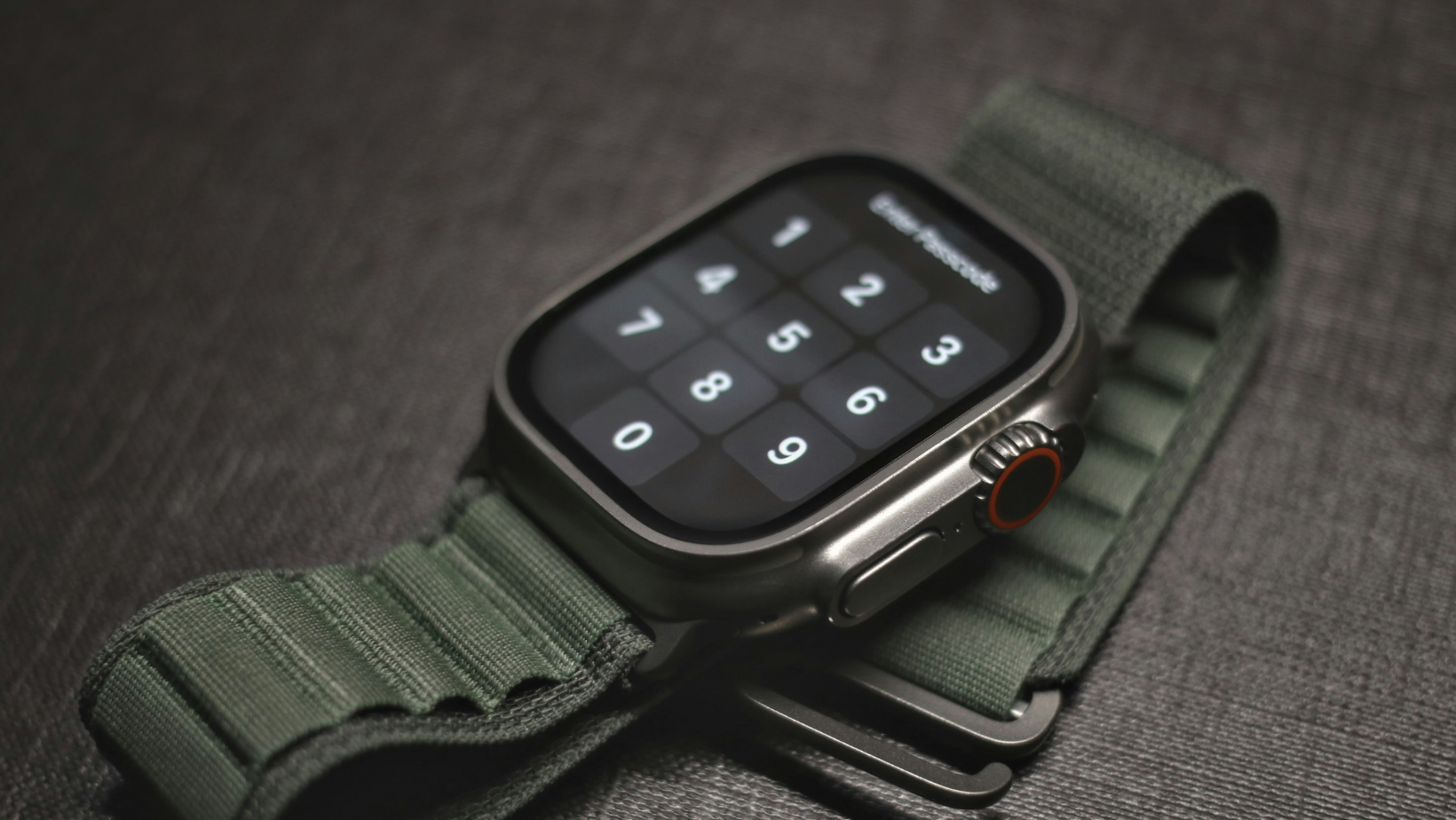
There’s a huge difference between wearing these watches all day. Series 12 comes in 42mm and 46mm sizes. Ultra 4 is 49mm, 12mm thick, and weighs about 63g before the band.
Series 12 suits more wrists
Series 12 is the easier choice for people who want something that gets out of the way. That's the difference for sleep tracking, office use, gym sessions, wearing it under sleeves, or simply not wanting a watch to become part of every outfit.
You also get more material choices. Aluminum starts at $399, titanium starts at $699, and ceramic starts at $899 on Apple’s current U.S. Watch store.
That last part creates an interesting wrinkle. A premium Series 12 can cost as much as, or more than, Ultra 4.
A 49mm statement piece
Ultra 4 is deliberately large. Some people put one on and think it looks fantastic. Other people look like they've strapped an emergency radio to their wrist.
Neither reaction is wrong. That larger case comes with the bigger display, battery, Action button, siren, satellite hardware, and more rugged construction.
If you dislike wearing a 49mm watch, none of those features make it physically smaller.
Ultra's outdoor toolkit
Series 12 supports running, cycling, swimming, hiking, and gym workouts. Ultra 4 adds hardware aimed at people whose workouts or trips push further outside everyday use.
Dual-frequency GPS on Ultra
Series 12 uses precision L1 GPS. Ultra 4 uses precision dual-frequency GPS.
Apple makes strong claims about Ultra 4’s GPS performance, but that shouldn’t become a real-world accuracy verdict until both watches have been tested over the same route under the same conditions.
The hardware distinction still matters. Trail runners, hikers, cyclists, marathoners, and people training around tall buildings or difficult terrain have more reason to care than someone doing 30 minutes on a treadmill.
Safety beyond the signal bars
Ultra 4 includes satellite communications and Emergency SOS via satellite. Series 12 does not. That’s a very different value proposition if you spend time hiking, running, camping, or traveling beyond reliable cellular coverage.
If most of your outdoor adventures end within walking distance of a coffee shop, you’re probably paying for capability you’ll rarely touch.
Pool swimmers vs scuba divers
Series 12 has 50m water resistance and supports swimming and snorkeling, with a depth gauge to 6m. Ultra 4 is rated to 100m and supports recreational scuba diving to 40m, plus high-speed water sports.
If your relationship with water mostly involves a swimming pool and forgetting to take your watch off in the shower, the dive hardware isn’t earning its keep.
For an actual diver, it’s a completely different conversation.
Match the watch to your week
The Apple Watch Series 12 vs Ultra 4 choice is really a question about how much of Ultra’s specialist hardware shows up in your normal week.
The everyday routine
Series 12 is the starting point for people whose week is mostly work, gym sessions, walks, sleep tracking, notifications, some running, and general health tracking.
You still get the new S11 and Health Sensing System without paying another $400 for outdoor hardware. That’s a strong package.
Long runs change the math
For ordinary running and gym training, Series 12 may already cover what you need. Long-distance training changes the equation.
If you’re running marathons, ultras, spending hours on trails, or simply hate planning around workouts, Ultra 4’s battery and dual-frequency GPS start working together as a much stronger reason to spend more.
Adventures beyond cell service
This is one of the clearest Ultra cases. Longer battery, dual-frequency GPS, satellite communication, a brighter 3,000-nit display, and the physical Action button all solve problems that can show up on the same trip.
That combination is more convincing than buying Ultra because one individual specification sounds impressive.
Swimmers vs divers
Pool swimmer? Series 12 already covers the important hardware. Recreational diver or someone doing serious water sports? Ultra 4 has hardware Series 12 simply doesn’t.
That one doesn’t need much overthinking.
Tired of charging every night
Ultra 4 may make sense even if your idea of adventure is finding a new brunch place. Charging is an everyday annoyance.
If cutting that annoyance roughly in half is something you’d notice every week for several years, that’s a legitimate reason to choose Ultra.
Should you upgrade your current watch?
A new Apple Watch every year makes very little sense for most people unless the new model fixes something specific.
My Apple Watch buyer’s guide goes deeper into the broader lineup and the pricing traps that can push you toward a more expensive watch than you planned to buy.
A tough sell for Series 11 owners
Series 11 owners need a clear reason. The new Health Sensing System, Readiness, newer intelligence features, or battery behavior may appeal to certain users, but last year’s watch didn’t suddenly become bad.
If your Series 11 already handles your workouts, sleep tracking, health features, and normal day comfortably, keeping it is easy to justify.
Years of upgrades add up
The cumulative changes become more interesting for people coming from an older Series. Display improvements, health features, faster charging, newer gestures, processing, and several years of watchOS changes can make a much older model feel genuinely dated.
Judge the upgrade against the watch on your wrist rather than the launch slide.
Ultra 4 needs a reason
This may be the hardest Ultra 4 sale. If your existing Ultra already gets you through long workouts, tracks the routes you care about, and has enough battery for your routine, Ultra 4 needs something specific to earn another $799.
A newer model number isn’t enough on its own.
Same S11 inside
Both watches use the S11 chip and include 64GB of storage. Don’t buy Ultra because you expect it to be the “faster” Apple Watch.
That's not where the interesting differences are. Same chip, different shell. What you're paying for is everything built around it: more battery, different GPS, satellite connectivity, greater water capability, a brighter display, and the Action button.
That makes this a much easier buying decision than it first appears.
Pick the annoyance you want gone
Series 12 removes one kind of annoyance: paying for and wearing hardware you don’t need. Ultra 4 removes another: charging more often, worrying about endurance on long workouts, giving up specialist GPS and water hardware, or losing satellite connectivity when you’re away from normal coverage.
Buy the watch that removes an annoyance you already have rather than paying for a list of capabilities you hope you become interested enough to use one day.
Series 12 is enough for most
The interesting thing about Apple Watch Series 12 vs Ultra 4 is how much of the important new technology they share.
Both get S11. Both get the new Health Sensing System. Both get Readiness and the new health platform. Ultra 4’s case is much simpler.
You’re paying more for battery, physical size, display brightness, GPS, satellite connectivity, water capability, and the Ultra controls and construction.
If those solve real problems in your week, $799 can make sense. Otherwise, Series 12 gives you most of the new Apple Watch experience without wearing $400 of unused adventure equipment on your wrist.
For more real-world tech experiments and buying decisions, you can join my Experiments in Progress newsletter.
Frequently asked questions
What’s the biggest difference between Series 12 and Ultra 4?
The biggest differences are battery life, size, GPS hardware, satellite connectivity, water capability, display brightness, and Ultra’s physical controls. The two watches share the S11 chip and core new Health Sensing System.
Do Series 12 and Ultra 4 share health features?
They share many of the headline new health features, including Readiness, Recovery HRV, higher-frequency background heart-rate tracking, and Apple’s new Health Sensing System. Availability of some health features can vary by region.
How much longer does Ultra 4 last?
Apple rates Series 12 for up to 24 hours of normal use and Ultra 4 for up to 50 hours. Those are Apple’s test-based ratings, and real-world battery life will vary with settings and use.
Is Ultra 4 worth $400 more?
The extra cost makes the strongest case for people who need the longer battery, dual-frequency GPS, satellite features, greater water resistance, dive support, a brighter display, or prefer the Ultra design. Buyers mainly interested in health tracking, workouts, sleep data, and notifications get much of the same core experience from Series 12.
Which Apple Watch is better for running?
Series 12 covers normal training well on paper. Ultra 4 adds much longer workout battery and dual-frequency GPS, which become more useful for long-distance training, trails, races, and tougher GPS environments.
