


The best closed-back headphones do something that even the very best open-back headphones simply cannot: they shut out the world.
That might sound like a minor thing, but it changes everything about how you use them.
For example, if you are recording vocals or instruments, and you need to monitor a backing track through headphones, open-back designs will leak audio directly into your microphone. Closed-back headphones seal the sound in, which is why they’ve been the standard choice in professional recording studios for decades.
But the appeal of closed-back headphones extends well beyond the studio. If you work in a noisy office, commute on public transport, or simply want to listen to music without disturbing the people around you, a good closed-back pair delivers a level of passive isolation that no amount of software processing can replicate.
I’ve spent time with a wide range of closed-back headphones across different price points, and the options in 2026 are genuinely impressive. Here are my top picks based on sound isolation, tone, comfort, and real-world usability.
Why Studios Still Rely on Closed-Back Headphones
Before getting into my specific picks, it’s worth understanding why closed-back headphones remain the professional standard for tracking and recording work.
The core reason is bleed. When a vocalist or instrumentalist is recording, they need to hear the backing track through their headphones. Open-back headphones allow sound to escape through the back of the ear cups, and that escaping audio will be picked up by the microphone. Even a small amount of bleed can ruin a take, especially in quiet passages or when recording acoustic instruments.
That’s why closed-back headphones are still the default in studios. They keep the backing track contained and the recording clean. It’s a simple, physical solution to a problem that software can’t reliably fix after the fact.
The Shortlist: The Best Closed-Back Headphones in 2026
So, what are the best closed-back headphones worth buying this year?
Let’s take a look!
Sony MDR-7506: The Industry Standard That Refuses to Age
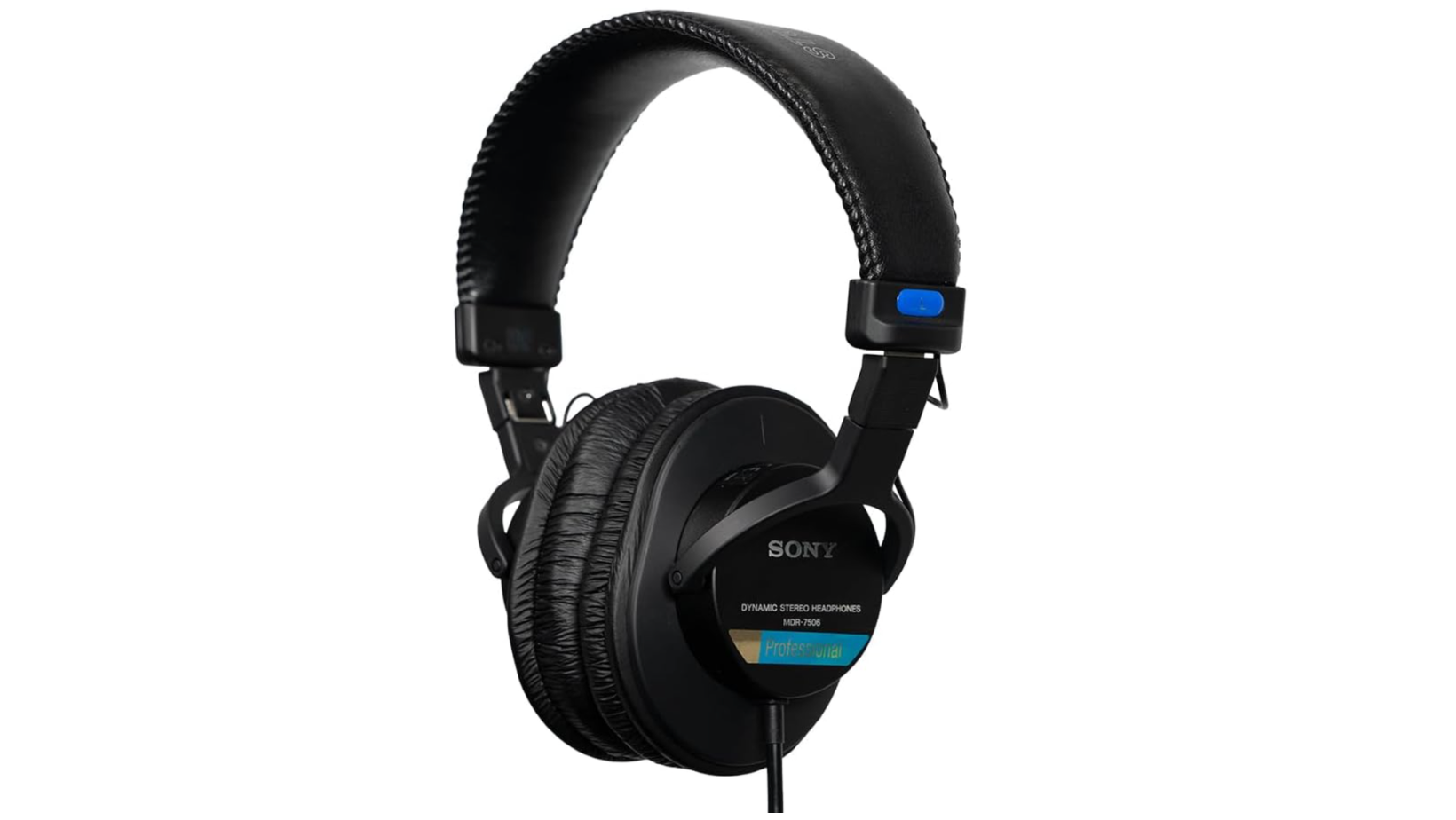
If you’ve ever been inside a professional recording studio, a broadcast facility, or a radio station, there is a very good chance you have seen a pair of Sony MDR-7506 headphones hanging on a hook somewhere.
These headphones actually launched in 1991, and they are still in production. That’s how good they are.
Priced at around $99-$113, the MDR-7506 delivers a 40mm neodymium driver with 63 ohms of impedance and a frequency response of 10Hz to 20kHz. The sensitivity sits at 106 dB/mW, which means they are easy to drive from virtually any device.
The sound signature is slightly bright and analytical. Sony tuned these headphones to be revealing rather than flattering, which is exactly what you want when you are trying to pick out problems in a recording. Sibilance, distortion, and frequency imbalances are immediately apparent. This is not the most enjoyable headphone for casual music listening, but it is one of the most useful tools for anyone working with audio.
AKG K371: Tuned to the Science of Sound
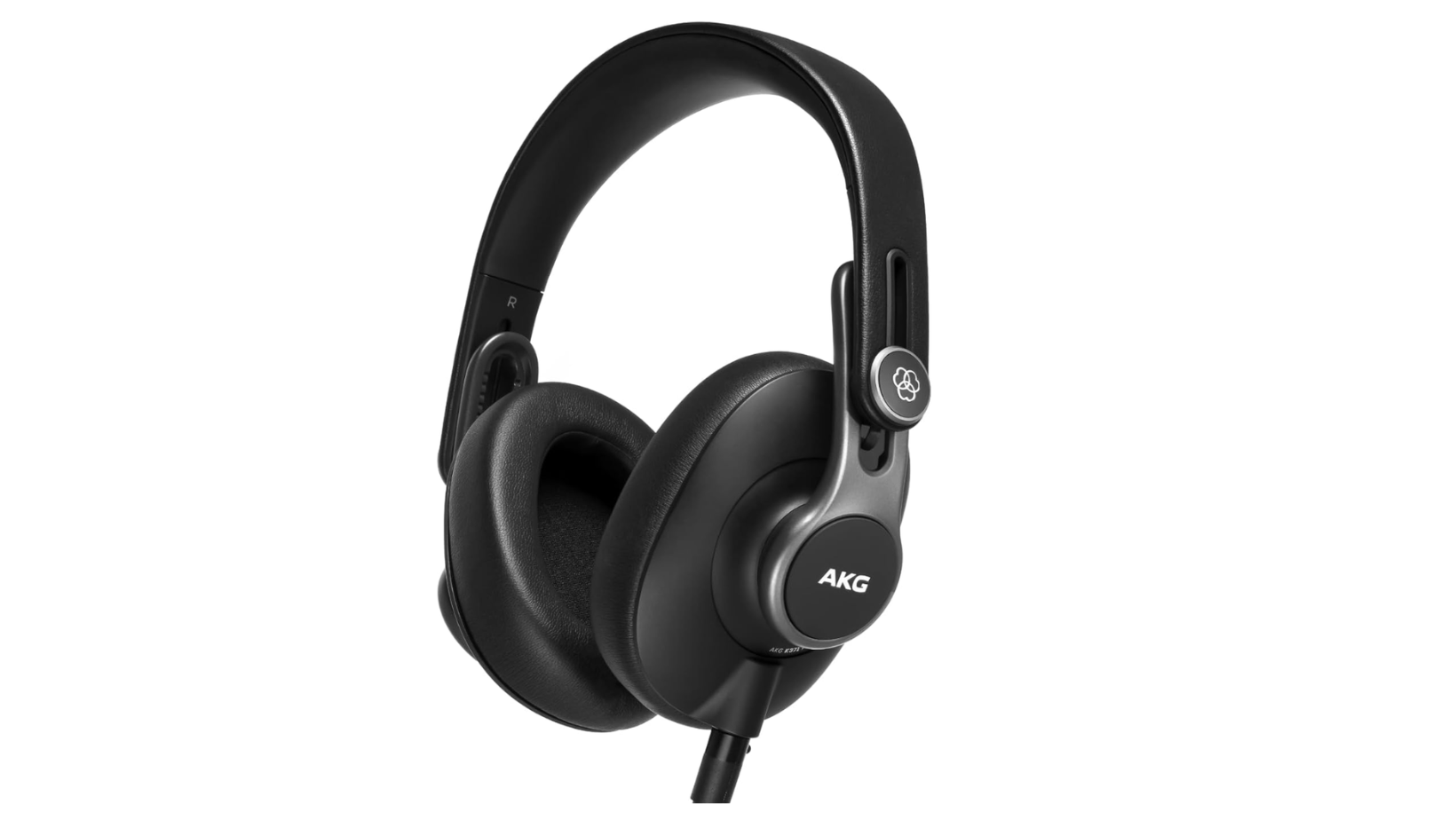
The AKG K371 is another one of my favorites, but it’s a different kind of closed-back headphone.
Rather than being tuned by ear or by tradition, it was designed to match the Harman target curve (which is a research-backed frequency response designed to sound natural to most listeners).
In practice, this means the K371 has one of the most accurate and neutral frequency responses of any closed-back headphone at its price. It’s not perfectly flat (no headphone is), but it is remarkably close to what audio engineers consider ideal for monitoring and mixing work.
Priced at $199 at Sweetwater (and occasionally lower on Amazon), the K371 uses a 50mm driver with 32 ohms of impedance and a frequency response of 5Hz to 40kHz. The sensitivity is 114 dB SPL, which makes it even easier to drive than the MDR-7506.
For anyone who wants a headphone that’s genuinely tuned for accuracy rather than consumer appeal, the K371 is one of the best closed-back headphones available at this price point.
Beyerdynamic DT 770 PRO: The German Classic
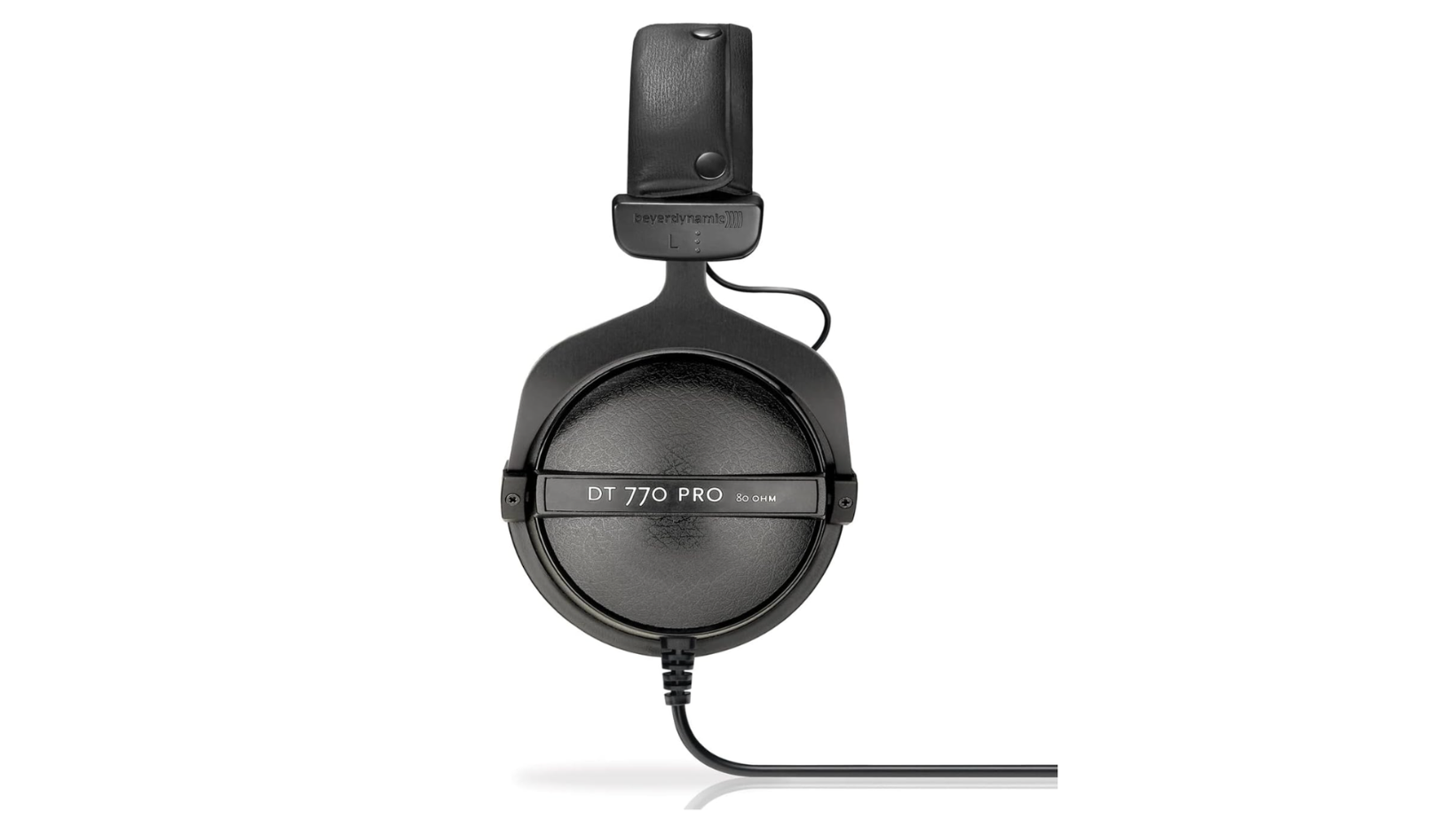
The Beyerdynamic DT 770 PRO has been a fixture in recording studios since the 1980s. It has been updated and refined over the decades, but the fundamental character remains the same: a robust, comfortable, closed-back headphone with a slightly V-shaped sound signature that works exceptionally well for tracking sessions.
The 80-ohm version is the one I would recommend for most people. At $199.99, it sits in a comfortable middle ground. It has enough impedance to sound excellent when driven from a proper audio interface or headphone amplifier, but it’s not so demanding that it sounds weak from a laptop or phone headphone output.
Another key detail worth mentioning is that the ear pads are velour (replaceable), which is a significant comfort advantage over the pleather pads on the Sony MDR-7506, especially during long recording sessions.
The one genuine criticism is the cable. The DT 770 PRO uses a non-detachable coiled cable, which is frustrating if it ever needs replacing. Beyerdynamic addressed this with the updated DT 770 PRO X, which adds a detachable cable and the newer STELLAR.45 driver at 48 ohms. If cable replaceability matters to you, the PRO X is worth the extra $30.
Focal Azurys: When Closed-Back Meets Audiophile Engineering
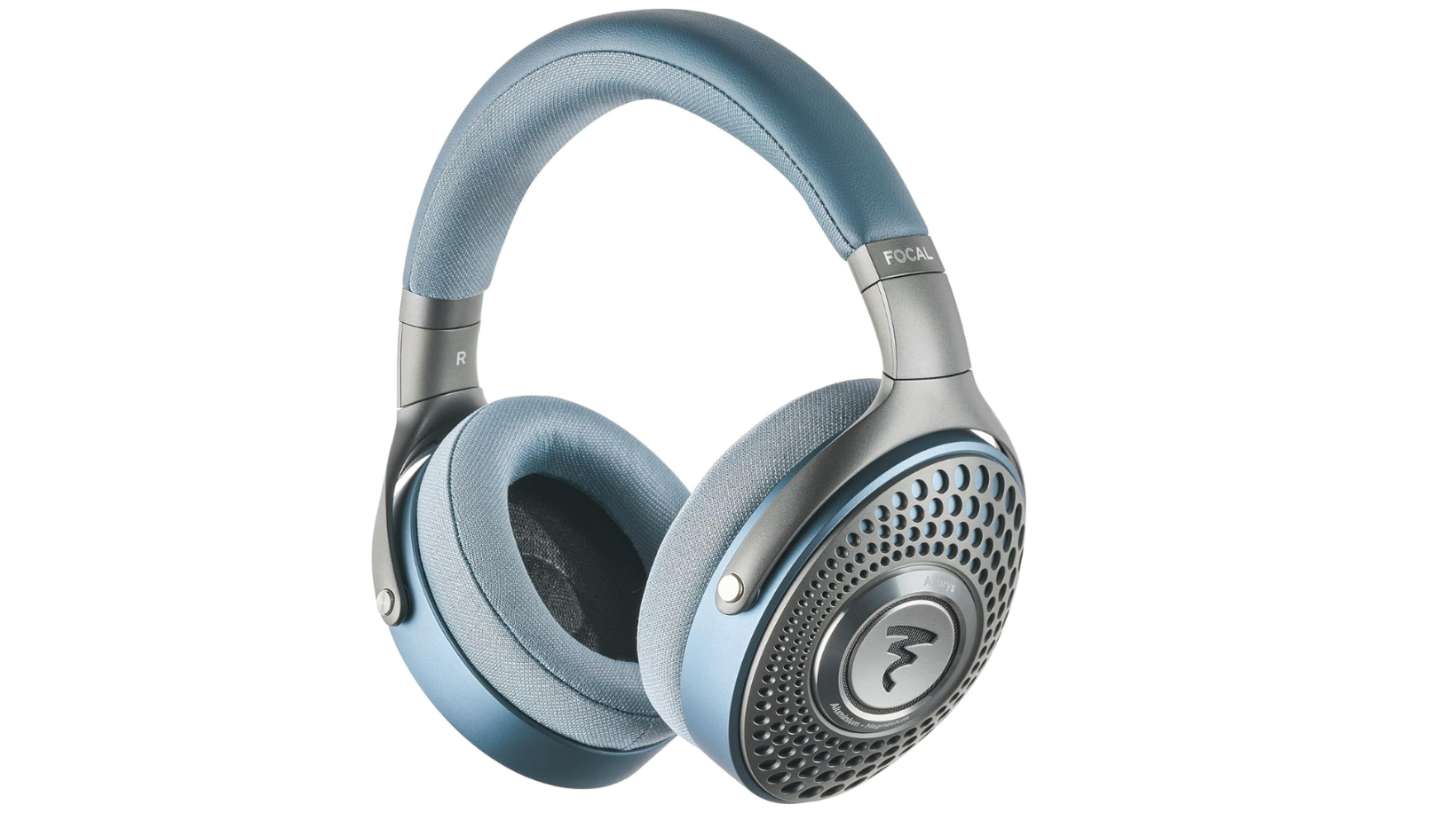
The Focal Azurys sits at a different level entirely. At $549 MSRP (though frequently found for around $400 on sale), it’s not a studio tool in the traditional sense. It’s a closed-back headphone built for people who want genuinely high-fidelity audio in a sealed design.
The Azurys uses a 40mm Aluminium/Magnesium M-shaped dome driver (the same driver technology found in Focal's much more expensive Stellia and Utopia headphones). The M-shaped dome reduces distortion by controlling the movement of the driver membrane more precisely than a conventional dome design.
The first thing you notice is just how fun these are to listen to. There’s real weight to the bass, and the mids come through clean, so vocals don’t get lost in the mix. It’s important to note, though, that the Azurys are not a studio monitoring tool. They’re tuned for musical enjoyment, and they deliver that in a way that very few closed-back headphones at any price can match.
How the Best Closed-Back Headphones Compare
Specs don’t tell the whole story, but they can give you a useful sanity check, especially when you’re trying to figure out what will work best for your setup.
Here’s a quick side-by-side of how each option in this list compares.
The Best Closed-Back Headphones Compared
My Parting Advice: Buy for How You Listen
So, how do you know which pair to choose?
In my personal opinion, if you are recording music or working in a professional audio environment, the Sony MDR-7506 and AKG K371 are no-brainers. Both are trusted by engineers worldwide and are easy to drive from standard equipment.
However, if you’re looking for something a bit more comfortable for longer sessions, the Beyerdynamic DT 770 PRO is the pick for you. The velour ear pads and replaceable components make it a genuinely long-term investment.
And finally, the Focal Azurys is for a different kind of listener entirely. If you want the best closed-back headphones for pure musical enjoyment, the Azurys deliver that in a way the others simply do not.
Looking for more honest audio breakdowns? Check out the rest of my headphone and gear guides on my YouTube channel and blog!
