


I’ve tried a lot of gaming headsets over the years, and most of them promise far more than they deliver. Every brand talks about immersive audio, competitive advantages, and game-changing sound. Then you actually use the headset and realize the microphone is average, the comfort falls apart after a couple of hours, or the audio isn't nearly as impressive as the marketing suggested.
The reality is that a gaming headset won't magically make you a better player. What it can do is give you clearer positioning, better communication, and one less thing to think about when you're in the middle of a match.
I've narrowed this list down to the headsets I'd recommend for competitive gaming. Some focus on positional accuracy. Others prioritize comfort, microphone quality, or overall value. These are the best PC gaming headsets for players who want equipment they can rely on every time they queue up.
Some of these products have come to me through brand partnerships, but that doesn't influence what makes this list. Every recommendation is based on my own experience and what I'd actually suggest to friends.
The Best PC Gaming Headsets at a Glance
I've picked these based on competitive advantages, not marketing buzzwords. Every headset here performs where it counts.
- My top pick for competitive play: Logitech G Pro X 2 Lightspeed
- The one I’d buy if money was no object: SteelSeries Arctis Nova Pro Wireless
- The best mic I’ve ever used on a headset: Razer BlackShark V2 Pro (2023)
- The best value for most people: HyperX Cloud III Wireless
- The best audio quality for music too: Audeze Maxwell
- The old-school wired choice: Beyerdynamic MMX 300 Pro
- The best budget wireless option: SteelSeries Arctis Nova 5
Quick Comparison: Best PC Gaming Headsets for Competitive Play
The best PC gaming headsets for competitive play prioritize positional accuracy, clear communication, reliable connectivity, and comfort during long matches.
I've included typical pricing for each headset, but deals and discounts can move those numbers around throughout the year.
The Best PC Gaming Headsets Ranked
I’ve tested all of these in real games. Here is how they stack up when the pressure is on.
1. Logitech G Pro X 2 Lightspeed
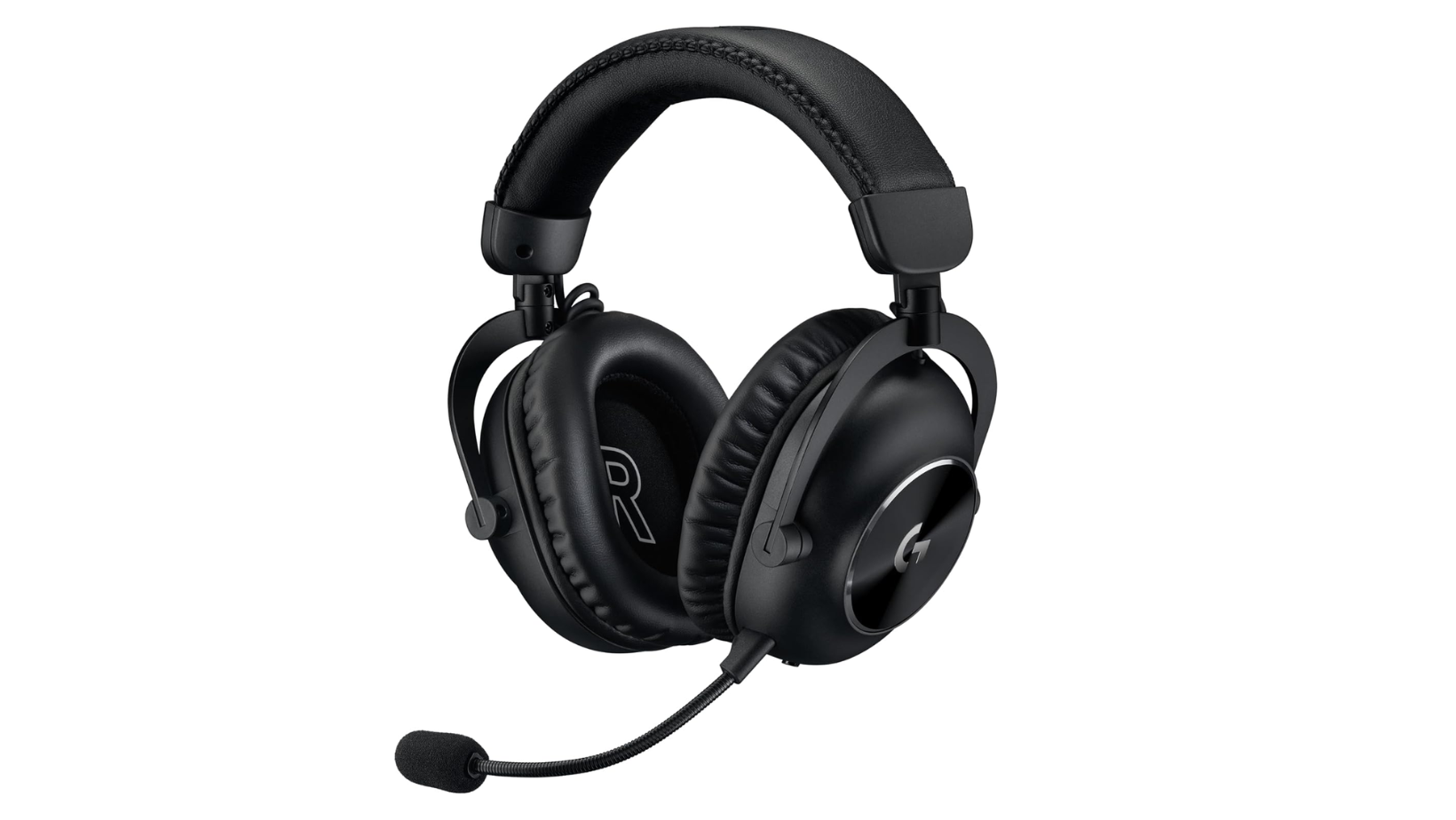
My top pick for competitive play
The Logitech G Pro X 2 Lightspeed is the headset I'd reach for if competitive gaming was my main priority. What stood out to me most was how easy it was to place sounds accurately. Footsteps, reloads, and movement all felt easier to track compared to most gaming headsets I've used.
At 345g, it's light enough that I rarely thought about it during longer sessions. The wireless connection has been consistently reliable in my experience, and the 50-hour battery life means charging is something I only need to think about occasionally.
It isn't packed with flashy features, but that's part of the appeal. Logitech focused on the fundamentals, and that's exactly why it's my top pick for competitive play.
2. SteelSeries Arctis Nova Pro Wireless
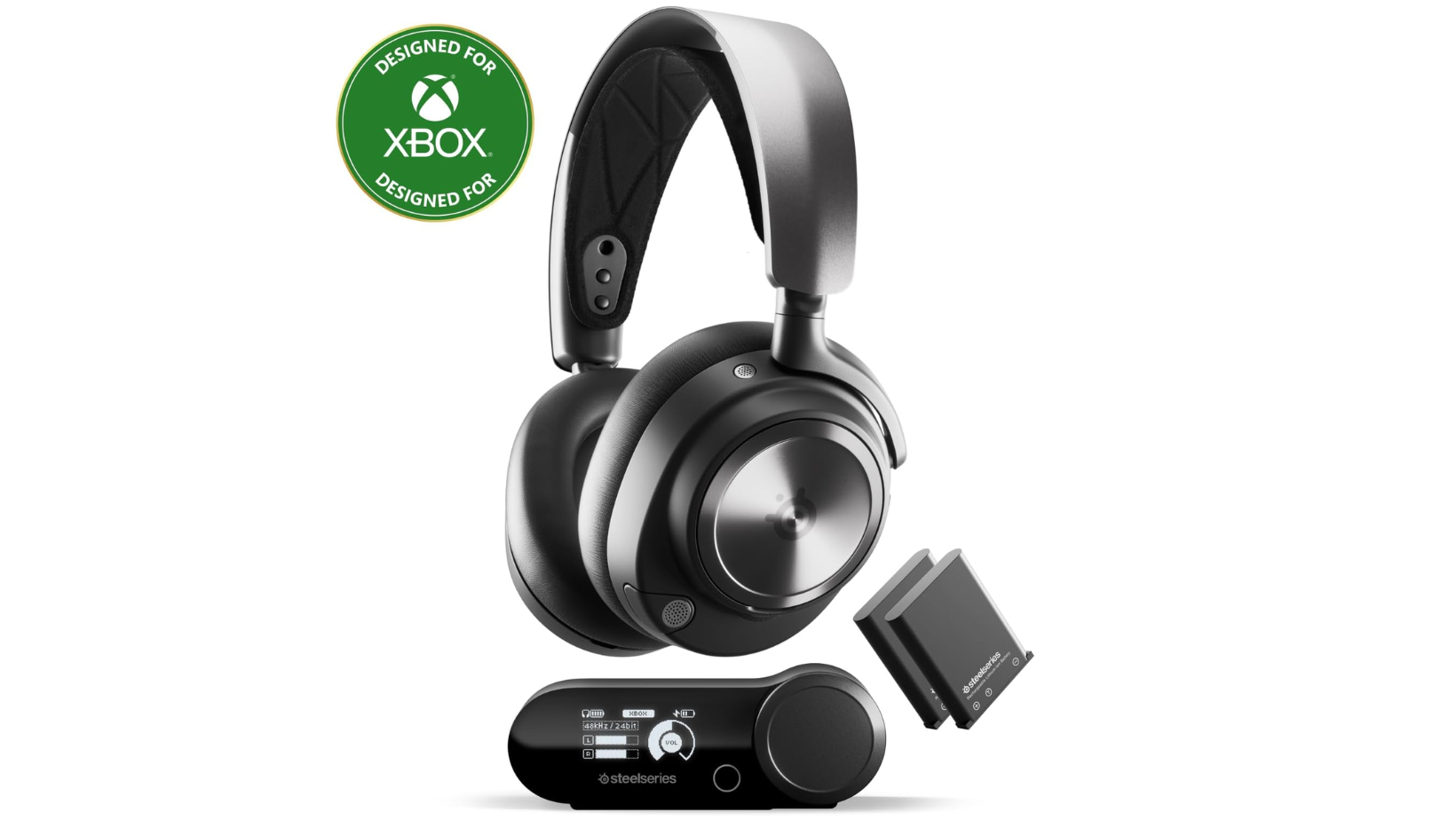
The premium choice
The SteelSeries Arctis Nova Pro Wireless is the headset I'd buy if I wanted every feature in one package. The swappable battery system is still one of my favorite ideas in any gaming headset because it removes the need to think about charging altogether.
I also like the flexibility. Active noise cancellation helps if you're gaming in a busy environment, and the simultaneous Bluetooth connection means I can keep my phone connected without interrupting whatever I'm playing.
At $349.99, it's definitely an expensive headset. For me, the appeal is how little it asks you to compromise on. It does a lot of things well and fits comfortably into almost any setup.
3. Razer BlackShark V2 Pro (2023)
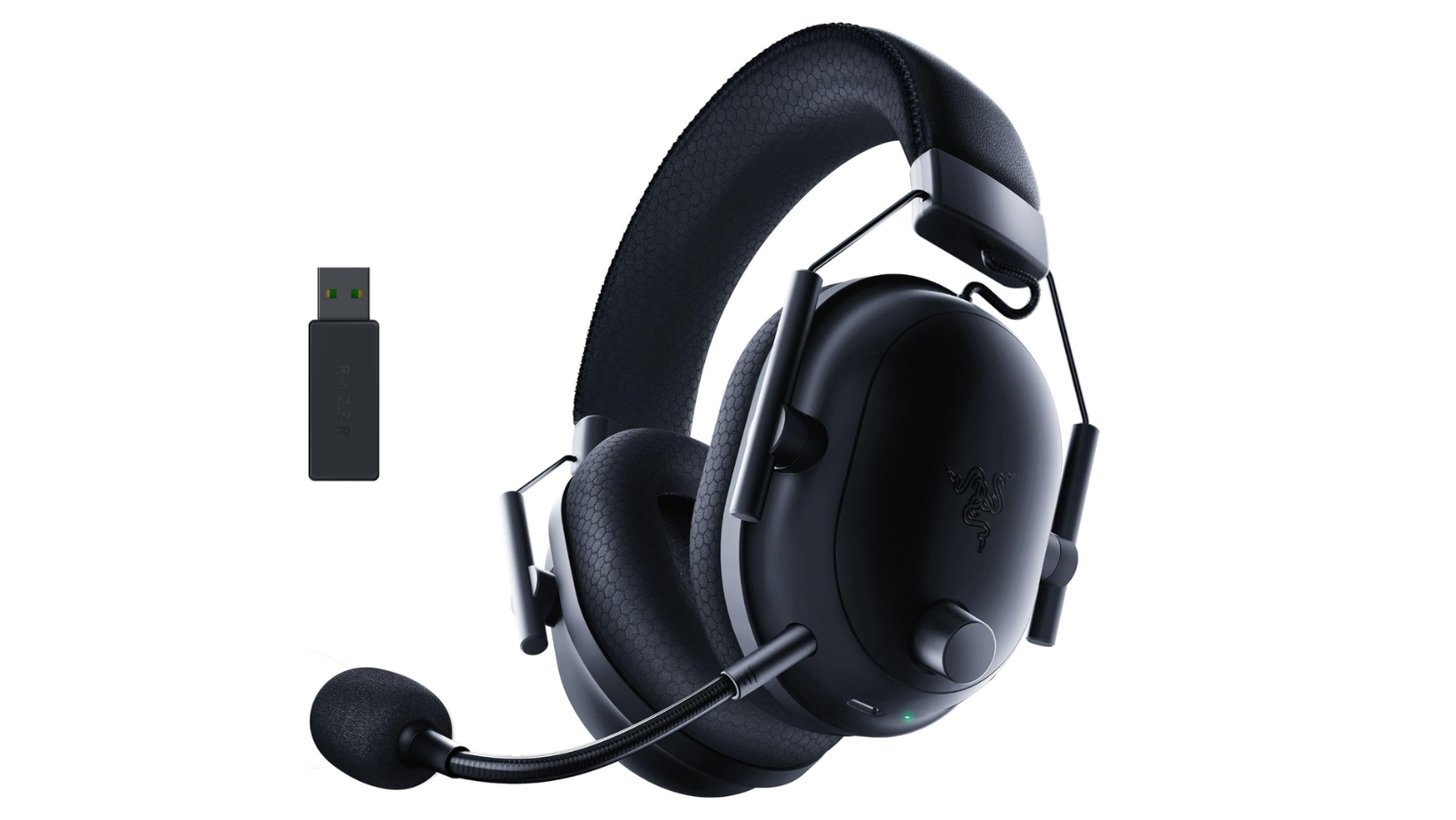
The best mic on any gaming headset
The microphone was one of the first things I noticed about the Razer BlackShark V2 Pro (2023). It's easily one of the best I've used on a gaming headset, which makes it a great option if you spend a lot of time on Discord, in team chat, or streaming.
The audio tuning also works well for competitive games, with clear directional cues that make it easier to pick up enemy movement. At 320g, it's comfortable enough for longer sessions, and the 70-hour battery life means you're not constantly reaching for a charging cable.
At $199.99, I think it sits in a really sensible spot between the budget options and the more expensive flagship models.
4. HyperX Cloud III Wireless
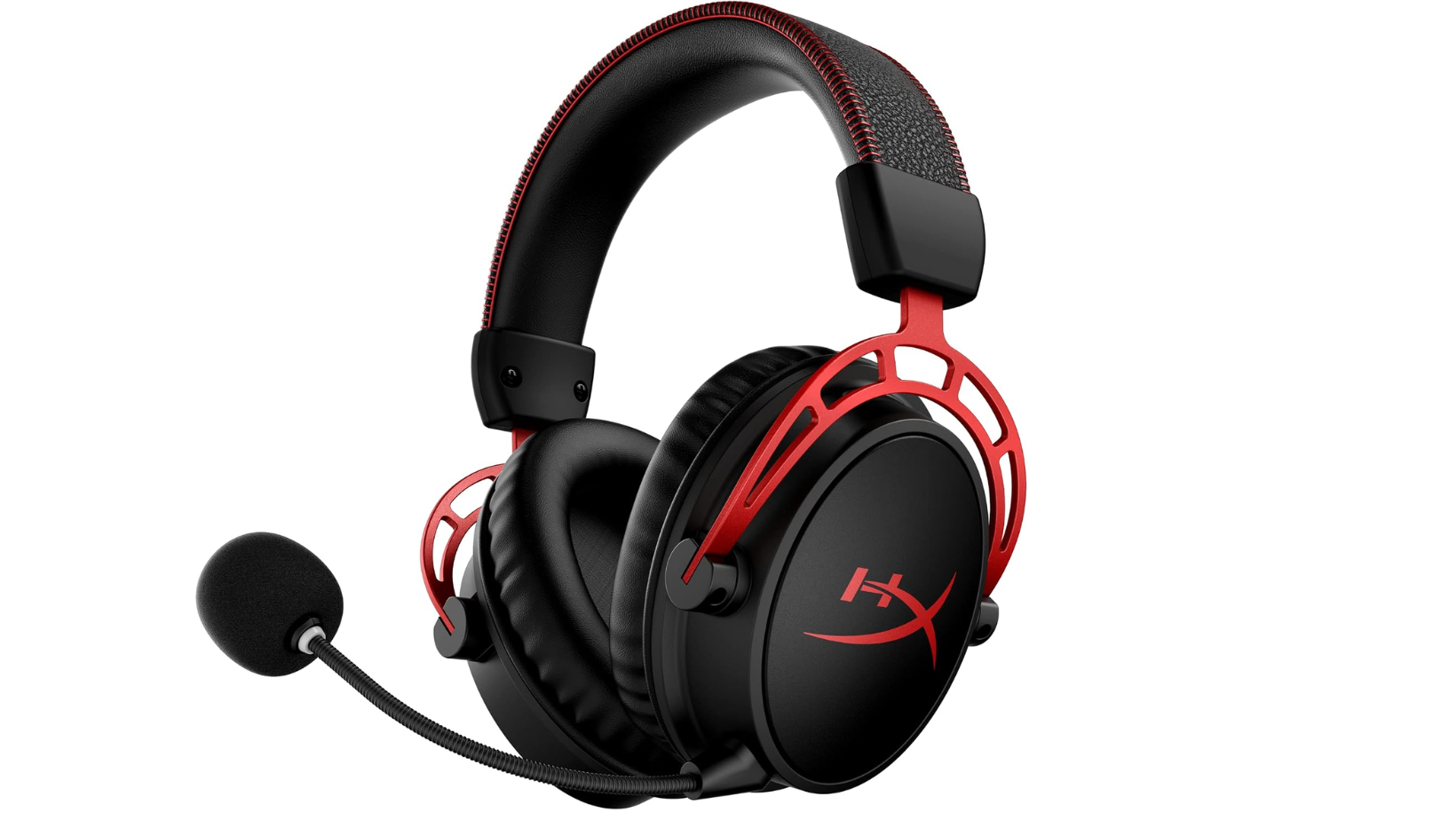
The best value for most people
The HyperX Cloud III Wireless is one of the easiest headsets on this list to recommend. HyperX has always done comfort well, and that continues here. I've worn it for long gaming sessions without feeling the need to take it off, which isn't something I can say about every headset.
The battery life is another highlight. It's rated for 120 hours, and in day-to-day use I rarely found myself thinking about charging it. The sound profile leans slightly warmer than some of the more competitive-focused options, but it's still more than capable for most games.
At $149.99, it offers a lot of what people really need without pushing them into premium-headset territory.
5. Audeze Maxwell
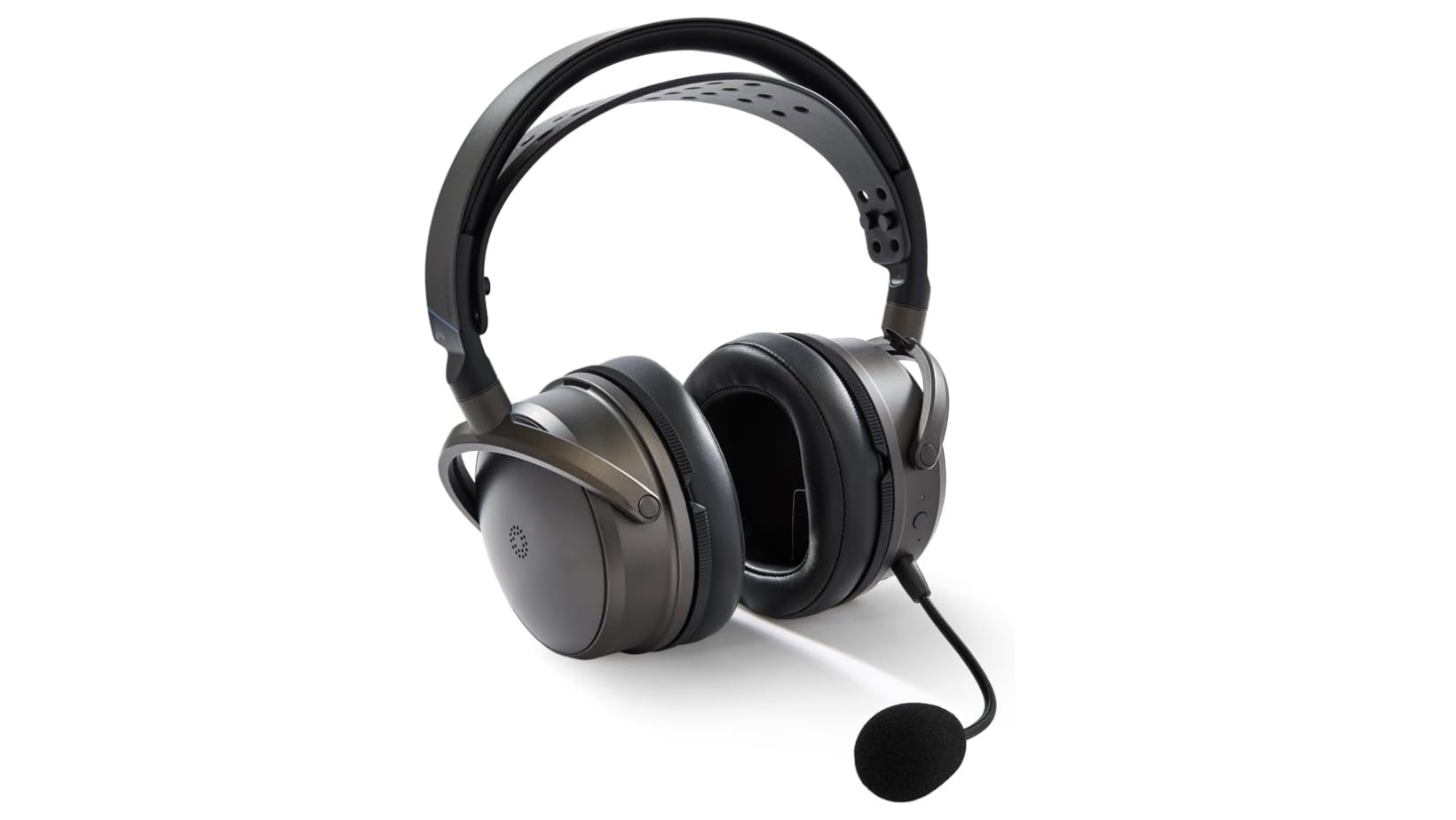
The best audio quality
The Audeze Maxwell is the headset I'd recommend to someone who cares just as much about music as gaming. The planar magnetic drivers give it a level of detail that stands out from most gaming headsets, especially when listening to music, films, or story-driven games.
The 80-hour battery life is excellent, and the multi-platform support makes it easy to use across different devices. The main trade-off is the weight. At 490g, it's noticeably heavier than most of the competition, and that's something you'll want to consider if you regularly play for hours at a time.
If audio quality is at the top of your list, this is still one of the easiest recommendations in the category.
6. Beyerdynamic MMX 300 Pro
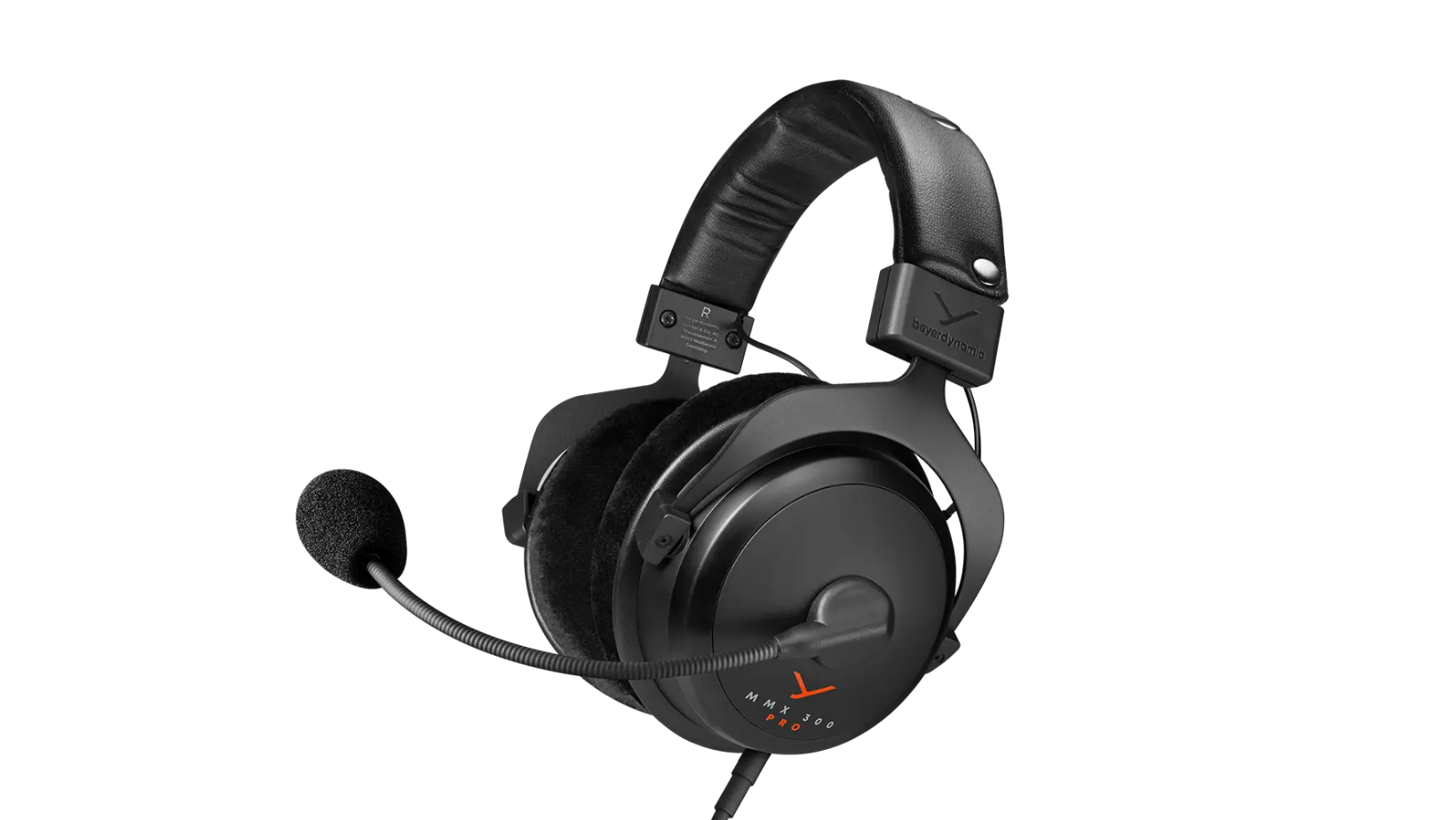
The old-school wired choice
I still think there's a place for a good wired headset, especially if you spend most of your time at a desk. The Beyerdynamic MMX 300 Pro keeps things simple. No batteries, no wireless troubleshooting, and no extra software to deal with.
What stands out most is the accuracy. The imaging is excellent, which makes it easy to place sounds in competitive games, and the build quality feels reassuringly solid.
If you're happy staying wired and want something focused purely on performance, this is still one of the strongest options available.
7. SteelSeries Arctis Nova 5
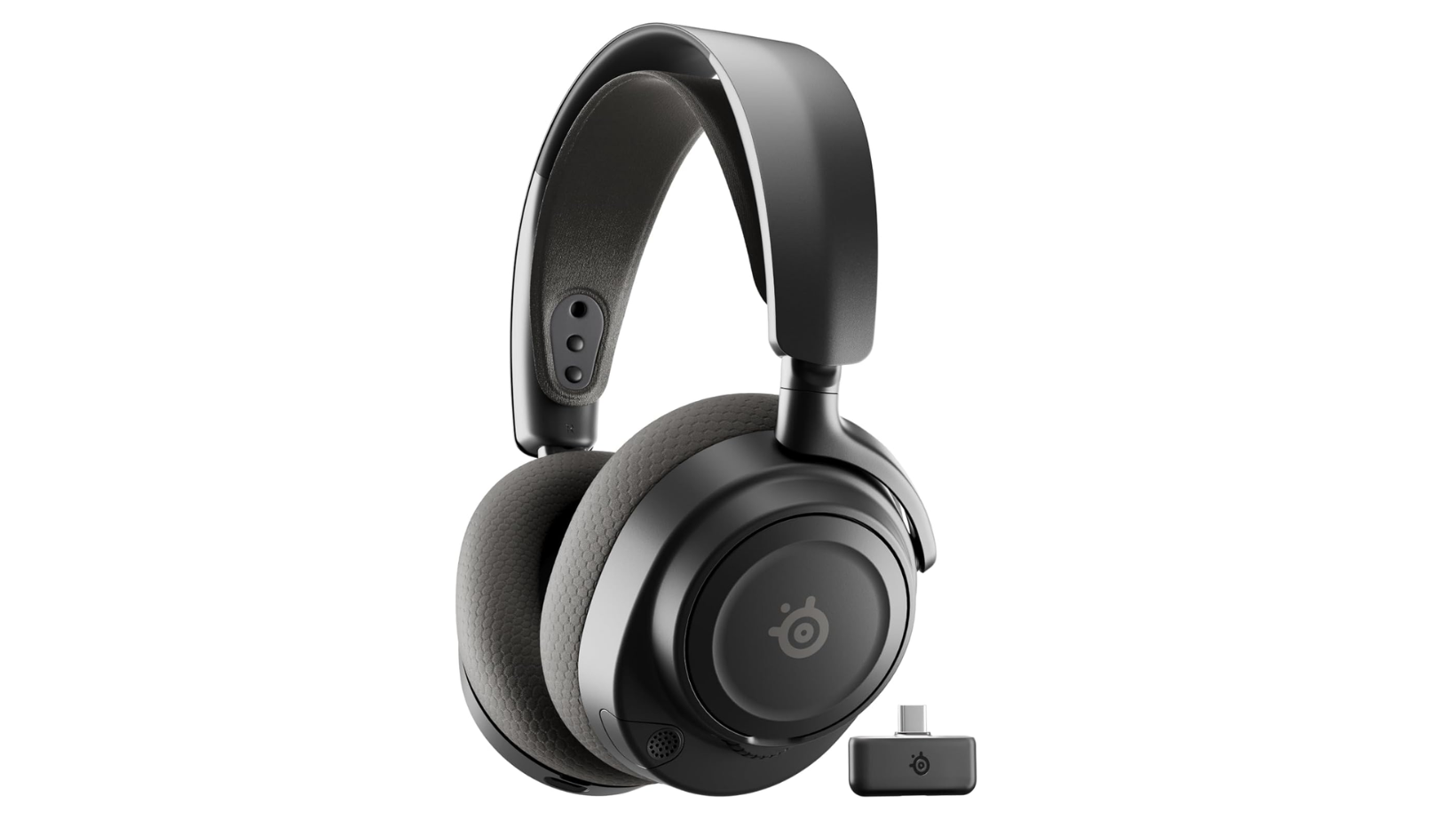
The best budget wireless option
The SteelSeries Arctis Nova 5 is the headset I'd point people toward when they want a solid wireless option without spending a fortune. It covers the basics really well: good comfort, reliable wireless performance, and battery life that's more than enough for most players.
I also like how straightforward it is. The retractable microphone stays out of the way when you don't need it, and the overall experience feels simple rather than overloaded with features you'll never use.
You're not getting the same level of detail or refinement as the more expensive headsets on this list, but at $99.99, I think it's one of the easiest budget recommendations for PC gaming.
What I Pay Attention to in a Competitive Gaming Headset
After trying a lot of gaming headsets over the years, I've found that most of the marketing doesn't matter very much once you're in a match.
Accurate Positioning
The biggest thing I care about is how easy it is to place sounds around me. In competitive shooters, I want to know whether footsteps are above, below, behind, or around a corner. That's where better headsets separate themselves from average ones.
Clear Communication
I don't think you need a studio-quality microphone, but your teammates need to be able to hear you clearly. A good mic makes callouts easier to understand and removes a lot of frustration during longer sessions.
Long-Term Comfort
I've used plenty of headsets that sounded great for an hour and became uncomfortable after an evening of gaming. Comfort matters more than people think because it's one of the few things you'll notice every single time you put a headset on.
Reliable Wireless Performance
At this point, a good 2.4GHz wireless connection is fast enough that I don't worry about latency anymore. What I care about is consistency. I want a connection that works every time I sit down to play and doesn't give me another thing to troubleshoot.
Which Headset Would I Buy?
If I mainly played competitive shooters, I'd still reach for the Logitech G Pro X 2 Lightspeed. It strikes the best balance between comfort, positioning, battery life, and everyday usability.
The good news is that every headset on this list does something well. The Razer BlackShark V2 Pro is an easy recommendation if microphone quality matters most. The HyperX Cloud III Wireless offers excellent value. If you want the strongest overall audio experience, I'd look at the Audeze Maxwell.
I've covered a lot more audio gear in my audio category if you're still comparing options.
I also share more hands-on tech reviews and recommendations in my newsletter at experimentsinprogress.com.
Frequently Asked Questions
What headset do most competitive gamers use?
Competitive gamers use several different headsets, with Logitech, Razer, SteelSeries, and HyperX appearing frequently in esports-focused setups. There is no single headset used by every professional. I see the Logitech G Pro series more than anything else in the pro scene right now. Most competitors prioritize low-latency audio, accurate imaging, a comfortable fit, and reliable communication.
Is wireless latency still a problem for competitive gaming?
Wireless latency is not a problem if you use a dedicated 2.4GHz gaming connection. Modern wireless systems are incredibly fast. You won't be able to distinguish them from a wired headset during normal gameplay. Stay away from Bluetooth for gaming. It introduces too much delay and compresses the audio.
Do expensive gaming headsets sound better?
Expensive headsets usually sound better, but there are diminishing returns. You’re often paying for better materials, stronger mics, and extra features like active noise cancellation or swappable batteries. A $150 headset with great imaging can help you win just as much as a $350 one. Spend the extra money if you want the luxury features, not only for the competitive edge.
Should you buy a gaming headset or separate headphones and a mic?
A gaming headset is much simpler. It’s one device, one cable or dongle, and it works. Separate headphones and a dedicated mic can sound better, but they’re more expensive and take up more desk space. For 95% of players, a good headset is the better choice.
What headset feature matters most for competitive FPS games?
Across the best PC gaming headsets, accurate imaging is usually the feature that makes the biggest difference in competitive shooters. You need to be able to tell exactly where sounds are coming from. Comfort and a clear mic are the next two. If you can't hear where the enemy is, nothing else matters.
