


The iPhone Duo is Apple's most expensive new iPhone. But it’s also not Apple's best camera phone.
That's an interesting combination.
Apple's first foldable starts at $1,999, which puts it comfortably above the $1,199 iPhone 18 Pro. But if you were hoping that extra $800 would buy you everything the Pro can do plus a screen that folds in half, there's a fairly important compromise to know about.
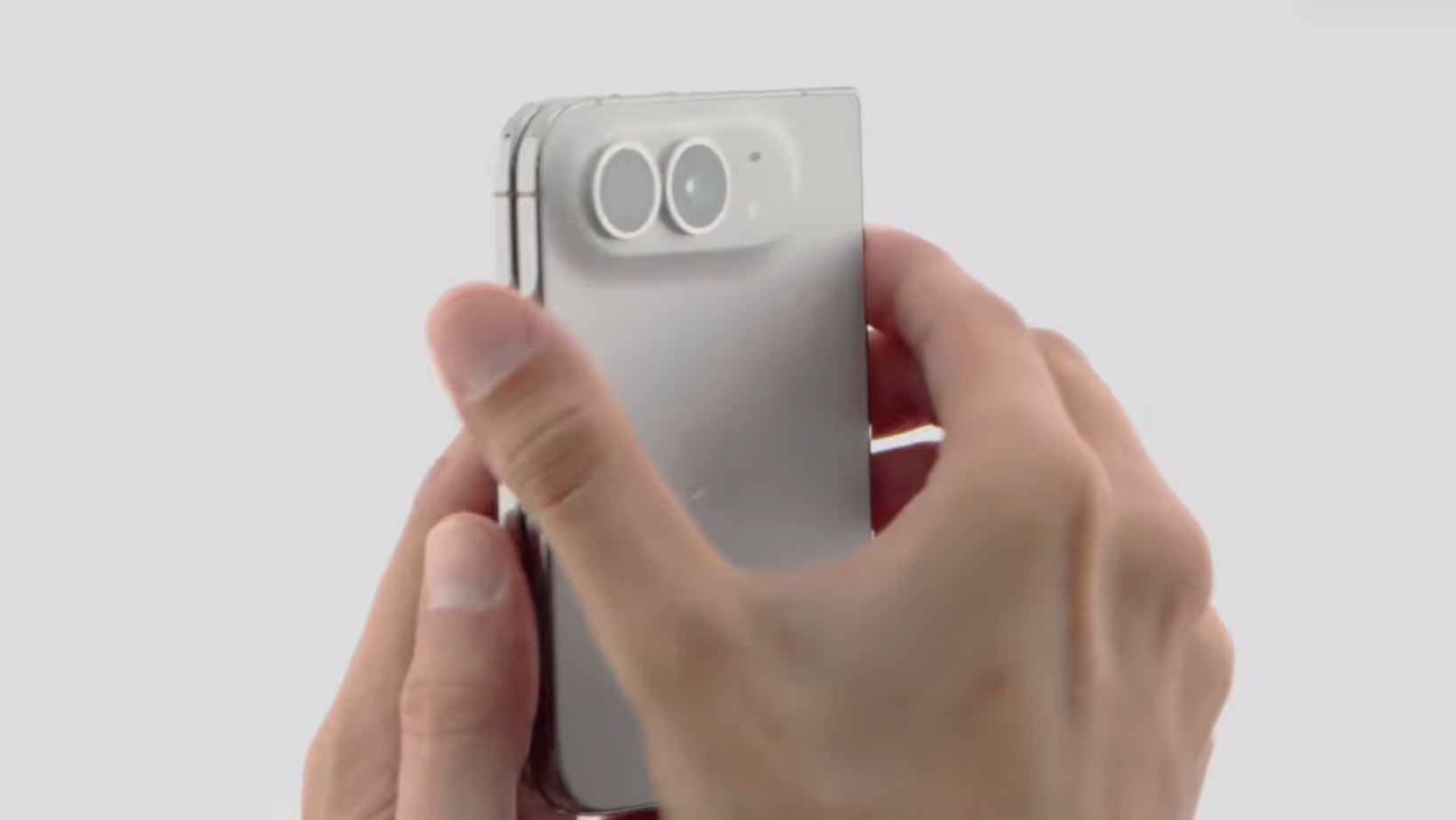
The iPhone Duo has a dual-camera system with a 48MP Main camera and 48MP Ultra Wide.
The iPhone 18 Pro has three 48MP rear cameras, including a dedicated Telephoto. More importantly, its Main camera gets Apple's new physical variable-aperture system, which is arguably the biggest camera upgrade in the iPhone 18 generation.
That's the whole iPhone Duo vs iPhone 18 Pro camera conundrum in a nutshell: the Duo gives you the more ambitious phone design, while the 18 Pro gives you the more ambitious camera.
I've been digging through Apple's specifications to work out exactly what you give up by folding, and what the Duo can do precisely because it folds.
Spoiler: it isn't quite as simple as saying three cameras are better than two.
Your quick camera cheat sheet
- The iPhone 18 Pro has the more capable traditional camera system. You get three 48MP rear cameras, dedicated Telephoto hardware, 4× and 8× optical-quality views, and the new physical variable aperture.
- The iPhone Duo gives up some camera versatility to make the foldable design work. It has 48MP Main and Ultra Wide cameras, with a 2× optical-quality option from the Main sensor, but no dedicated Telephoto.
- The Duo uses its second screen in ways the Pro can't. Features including Duo Preview, Smart Take and Kid Cue turn the outer display into part of the photography experience.
- If camera quality is your main reason for buying an expensive iPhone, the iPhone 18 Pro makes more sense on paper. The Duo is the phone I'd buy because I wanted the folding form factor, not because I wanted Apple's most complete camera hardware.
iPhone Duo camera vs iPhone 18 Pro lens by lens
Let's start with the hardware.
The iPhone Duo camera comparison is one of those where price can be slightly misleading. The Duo costs $800 more at the starting level, but that money isn't buying you an upgraded Pro camera system.
Basically, you're paying for the folding hardware, and folding hardware is expensive.
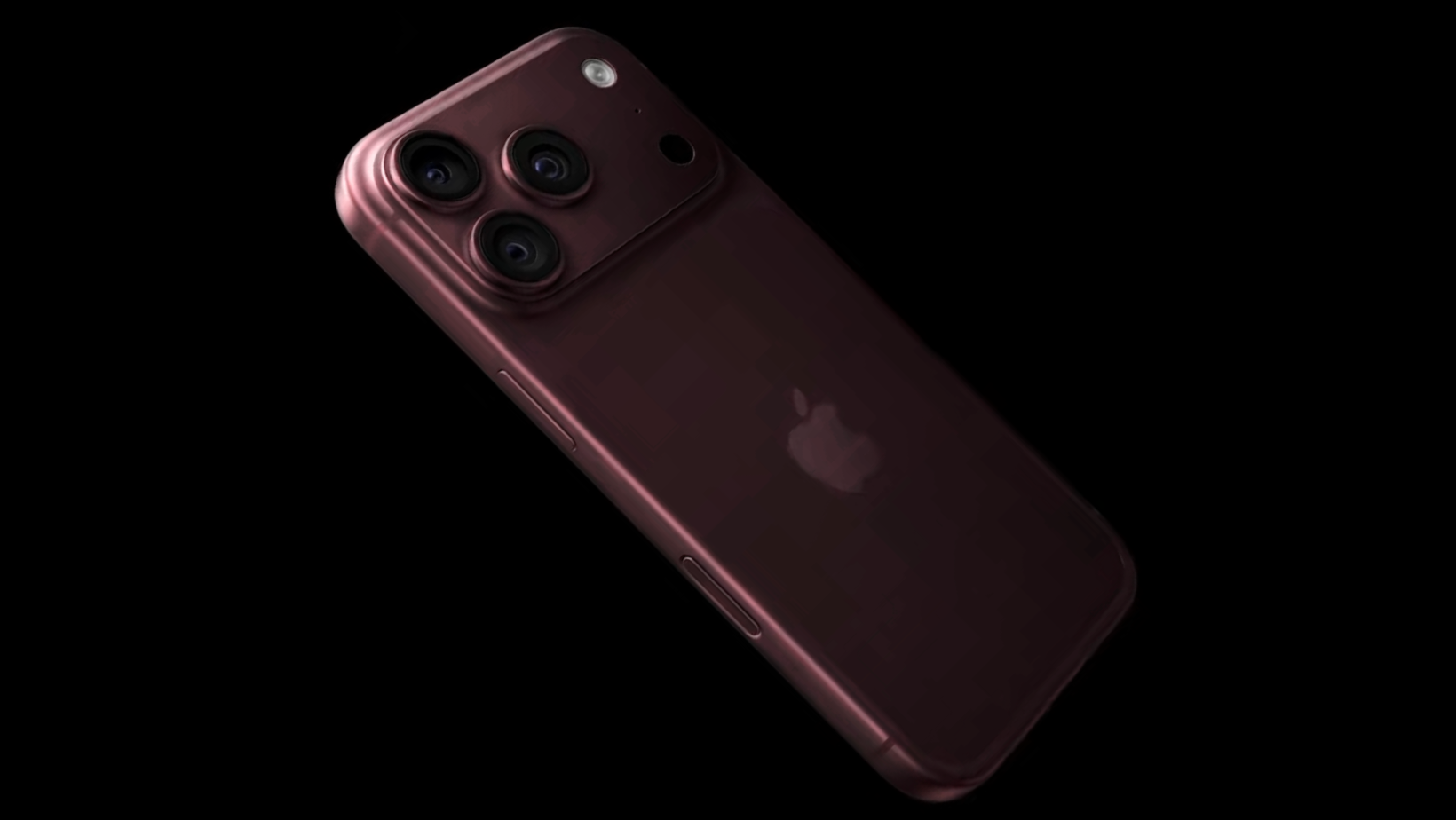
The iPhone 18 Pro packs three rear cameras
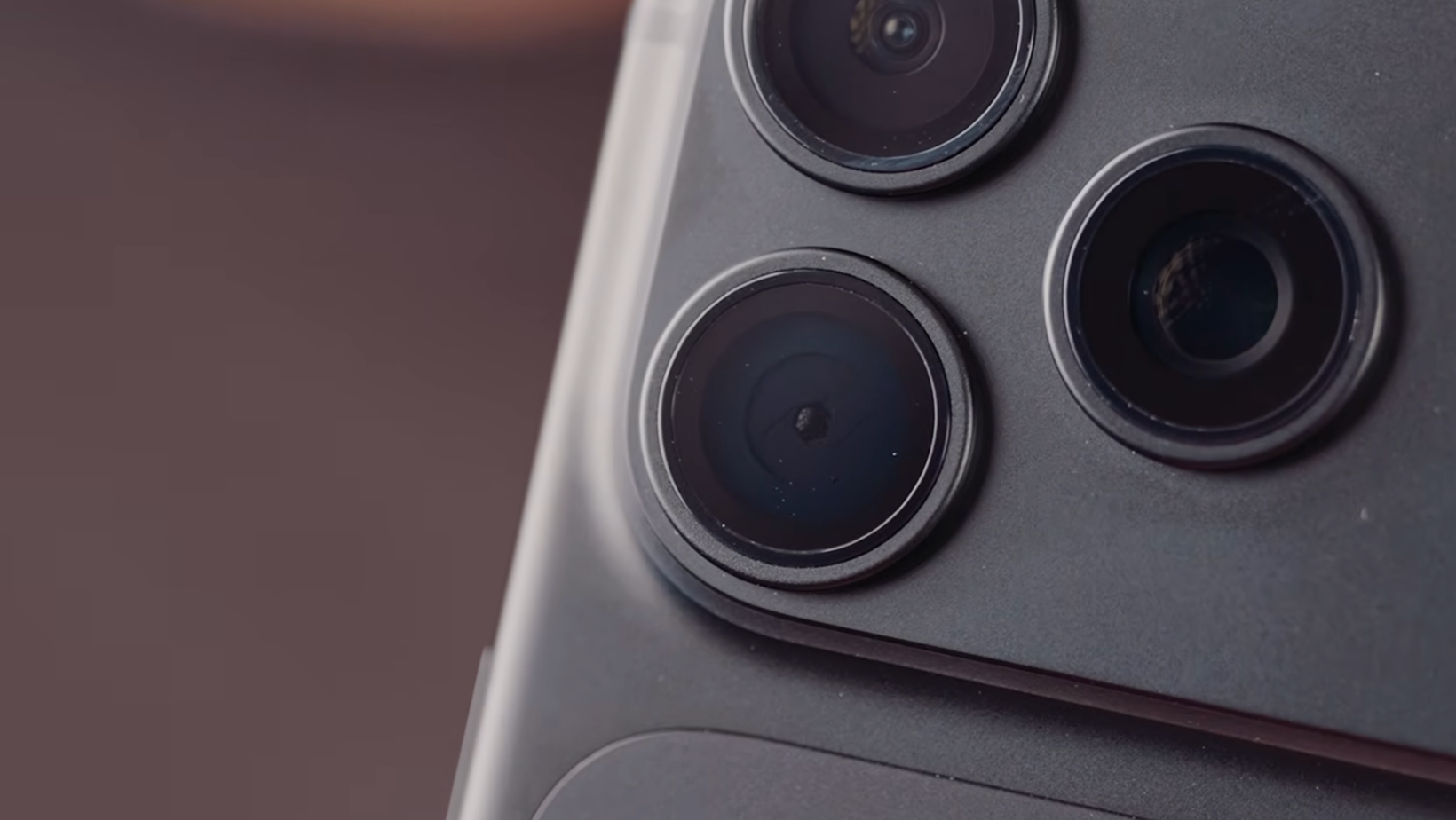
The easiest difference to understand is the number of cameras. The iPhone Duo camera system is a 48MP Dual Fusion setup.
That consists of a 48MP Fusion Main camera and a 48MP Ultra Wide.
The Main camera has a 26mm equivalent focal length and an ƒ/1.6 aperture. It can also crop into the sensor to provide a 2× optical-quality view, giving you useful 0.5×, 1× and 2× options without adding another physical camera.
For most everyday photography, that's a pretty good range.
You can shoot landscapes and group photos with the Ultra Wide, use the Main camera for the majority of shots, and jump to 2× when you want to get a bit closer.
The Pro's triple-camera reach
The iPhone 18 Pro amps up the camera game. It has a 48MP Main, 48MP Ultra Wide, and 48MP Telephoto, giving it a much broader set of focal lengths.
The Telephoto provides 4× and 8× optical-quality options, while digital zoom reaches up to 40×.
If you photograph travel, events, wildlife, concerts, portraits,s or anything else where you can't simply walk three feet closer to the subject, that's a major advantage.
There's only so much computational photography can do to compensate for not having the lens in the first place.
Aperture control goes Pro-only
For me, the Telephoto isn't even the most important camera tool the Duo misses. It’s the iPhone 18 Pro's variable aperture.
Apple has built a physical six-blade aperture mechanism into the 48MP Main camera, with four available settings:
- ƒ/1.48
- ƒ/1.8
- ƒ/2.8
- ƒ/4.0
The camera can choose between them automatically, or you can adjust the aperture manually through Apple's Pro controls.
That's a big difference because aperture physically changes how a camera captures an image.
What aperture does to a photo
Open it wider, and you allow more light to reach the sensor while reducing depth of field. Close it down, and you can keep more of the scene in focus.
Smartphones have been simulating depth of field through software for years, and they're shockingly good at it.
But simulation and optics aren't the same thing.
Giving photographers physical control over the aperture is one of the coolest things Apple has done with an iPhone camera in a while.
Unfortunately, the Duo doesn't get it.
The Duo’s limited camera settings
All the Duo has is a 48MP Main camera that uses a fixed ƒ/1.6 aperture.
That doesn't make it a bad camera. ƒ/1.6 is a wide aperture and is still awesome for gathering light.
It does mean you lose one of the headline camera features of the iPhone 18 generation by choosing Apple's most expensive iPhone… an unexpected trade-off.
Will you notice variable aperture?
I'd be careful not to get carried away by iPhone Duo camera specs alone.
Variable aperture is a genuine technical step forward. Whether it makes an impactful change to your photos depends on how you use your camera.
For point-and-shoot fans
If you open the Camera app, point the phone at something and press the shutter, Apple's automatic system will handle most of these lighting and depth settings for you. You may get better results in certain environments and lighting without ever thinking about which aperture the phone has selected.
If you're more invested in photography, the potential opens up considerably.
A wider aperture can help in lower light and create more separation between a subject and the background. A narrower aperture is good for when you want more of a scene to remain sharp.
Hands-on photographers get the most
For creators who already think about aperture, shutter speed, and white balance when shooting with a dedicated camera, having more legit optical control on the iPhone is a big win.
These fancy new camera upgrades still need to be tested in the real world.
Apple can explain the engineering, but we need to see how much difference those aperture settings make across portraits, low light, landscapes, video, and everyday photography.
I wouldn't buy an iPhone 18 Pro solely because a spec sheet says ƒ/1.48. But I'd absolutely want the variable aperture if photography was one of my main reasons for upgrading.
The Duo's 2× zoom doesn’t replace the Telephoto lens
The iPhone Duo can shoot at 2× using its 48MP Main sensor. Apple describes this as an optical-quality view.
The phone is using the resolution available from the Main sensor to crop into the center of the image rather than relying on traditional digital zoom.
We've seen Apple use this approach before, and it can be very useful.
The sweet spot for people and food
2x is one of my favorite focal lengths on a phone for people, food, objects, and general everyday photography because it gets you closer without the exaggerated perspective you can sometimes get from the standard wide camera.
But it doesn't replace the Pro's dedicated Telephoto.
The iPhone 18 Pro can reach a lot further, and the shot still looks like a photo instead of zoomed-in and pixelated.
That's the compromise I'd think about before buying the Duo.
If most of your photos are people standing relatively close to you, landscapes, food, pets, and everyday life, the Duo's 0.5×, 1×, and 2× range may be absolutely fine.
If you're used to reaching for the longer zoom on a Pro iPhone, you're going to miss it here.
The Duo's party trick the Pro can't copy
The iPhone Duo camera comparison gets much more fun from here.
The wild new upgrade? The Duo folds. That sounds painfully obvious, but it changes what Apple can do with the cameras because there is now a second display facing the other direction.
Meet Duo Preview
One of the best examples is Duo Preview. When you're taking a photo of somebody using the rear cameras, the outer display can show them a preview of the shot.
That means they can see the framing while you're taking the picture.
It's a smart trick, and there's no way a regular iPhone pulls that off without roping in a second device.
If you've ever handed somebody your phone, explained exactly how you want the photo framed, watched them nod confidently, and then received 17 pictures containing mostly pavement, you may appreciate this more than expected.
Smart Take tackles the group photo curse
Apple has also introduced Smart Take.
The Duo can detect when the people in a photograph appear ready for the picture. This is another feature that benefits from having screens on both sides of the phone.
The person holding the camera can frame the image normally while the subjects can interact with what's happening on the other display.
I like this sort of foldable feature because it isn't simply “look, the screen bends”. It asks what becomes possible when both sides of the phone can display useful information.
Whether Smart Take works reliably with a group of six people, one distracted child, and somebody's uncle blinking in every photograph is something we'll find out once the phone is out.
But the idea sounds pretty cool.
Kid Cue could save your family photos
Then there's Kid Cue. This displays animations on the outer screen to attract a child's attention while you're taking their picture.
On paper, that sounds like one of the sillier features Apple announced. In practice, it may be one of the most useful.
Getting a small child to look directly towards a camera at the exact moment you press the shutter is an unexpectedly advanced form of project management.
If a dancing animation on the back of a $1,999 phone solves that problem, I'm sure many tired parents will love it.
Kid Cue is a nice example of the Duo doing something different with photography rather than trying to beat the Pro by adding another lens.
Selfies get a foldable upgrade
Foldables have another inherent camera advantage. You don't always need to use the dedicated front-facing camera for photos of yourself.
The Duo's outer display means you can potentially use the higher-quality rear camera system while still seeing yourself in the frame.
That's super helpful for creators.
Rear cameras generally have better sensors and optics than selfie cameras, so being able to frame yourself while using them can improve image quality without requiring a separate monitor.
The Duo props itself up
The folding form also means the phone can support itself in certain positions. Partially fold it, place it on a surface, and suddenly the phone has its own stand.
It’s perfect for group photos, video calls, and content creation. You can do similar things with a case like the PITAKA Edge Case and a tripod like the Peak Design Mobile Tripod on a conventional iPhone, obviously. But who carries tripods with them to picnics or restaurants?
Instead of lugging around something like the Peak Design Mobile Tripod or delicately balancing your phone on a tree branch, you get stability for group photos, and no one has to sit out to get the shot.
What about the front cameras?
Both phones still have dedicated cameras for normal selfies and video calls. The iPhone 18 Pro uses an 18MP Center Stage front camera with autofocus and support for 4K Dolby Vision video at up to 60fps.
The Duo's unusual design means the exact camera experience depends more heavily on whether you're using it open or closed and which display is active.
For me, though, the dedicated selfie-camera specification is less important on the Duo than it would be on a normal phone.
The whole point is that the device can use its shape and second display to give you more ways to shoot.
If I'm paying for a foldable, I want it to do things a normal phone physically can't.
Video shooters, pick your fighter
The iPhone 18 Pro is the obvious choice for someone treating their iPhone as a serious video-production tool.
The 18 Pro's pro video toolkit
Apple supports 4K Dolby Vision at up to 120fps on the Main camera, alongside ProRes, ProRes RAW, Apple Log 2 and genlock.
That is a pretty power punch in a mobile video setup. The A20 Pro and larger vapor chamber should also help with sustained workloads, although Apple's specific performance claims still need independent testing.
The Duo's creative video tricks
The Duo has plenty of video capability of its own and gains some unusual options from the foldable design. Dual Capture, for example, allows you to record on the front and rear camera feeds at the same time.
The second display can also be useful when filming other people, and the phone's ability to sit partly folded gives you more flexibility when positioning it without a tripod.
Pro shoots vs casual content
So I'd separate the two like this.
- The iPhone 18 Pro has the better traditional production toolkit.
- The iPhone Duo has the more unusual shooting possibilities.
If I were filming professional content where image quality, focal-length choice, and ProRes workflows were the priority, I'd choose the 18 Pro.
But if I’m creating casual social content and liked the flexibility of a device that can effectively become its own stand and preview monitor, the Duo has some genuinely clever advantages.
What about low-light photography?
This is another area where I'd avoid declaring a winner before proper testing.
The Duo's Main camera has an ƒ/1.6 aperture, while the iPhone 18 Pro can open its variable aperture to ƒ/1.48.
A wider aperture can allow more light onto the sensor, which is useful in darker conditions. But aperture is only one part of smartphone low-light photography.
Aperture is one piece of the puzzle
Sensor characteristics, exposure time, stabilization, image processing, computational photography, and the way Apple combines multiple frames all contribute to the final image.
On paper, the 18 Pro has the more sophisticated Main camera. That's as far as I'd take the claim until we've got proper side-by-side photographs from retail devices.
Portrait mode showdown
Portrait photography highlights the philosophical difference between these two cameras nicely.
The Duo gives you a 2× optical-quality option from its Main sensor, which is a useful focal length for portraits. The 18 Pro gives you more focal-length flexibility and a physical variable aperture.
That means the Pro can alter depth of field optically rather than relying entirely on computational processing.
Still no match for a full-frame camera
Now, I don't expect your iPhone to suddenly replace a full-frame camera and an 85mm ƒ/1.4 lens.
Physics remains annoyingly committed to physics. But this is exactly the sort of photography where the Pro's hardware has more potential.
If portraits are important to you, I'd want the 18 Pro.
The iPhone 18 Pro is the better travel buddy
This is probably where I'd personally miss the Telephoto most. Travel is one of the situations where I use different focal lengths constantly.
You might want an Ultra Wide for architecture, the Main camera for a street scene, and a Telephoto for something you physically can't get closer to.
The Duo covers the wide end nicely. What it doesn't give you is the reach of the Pro.
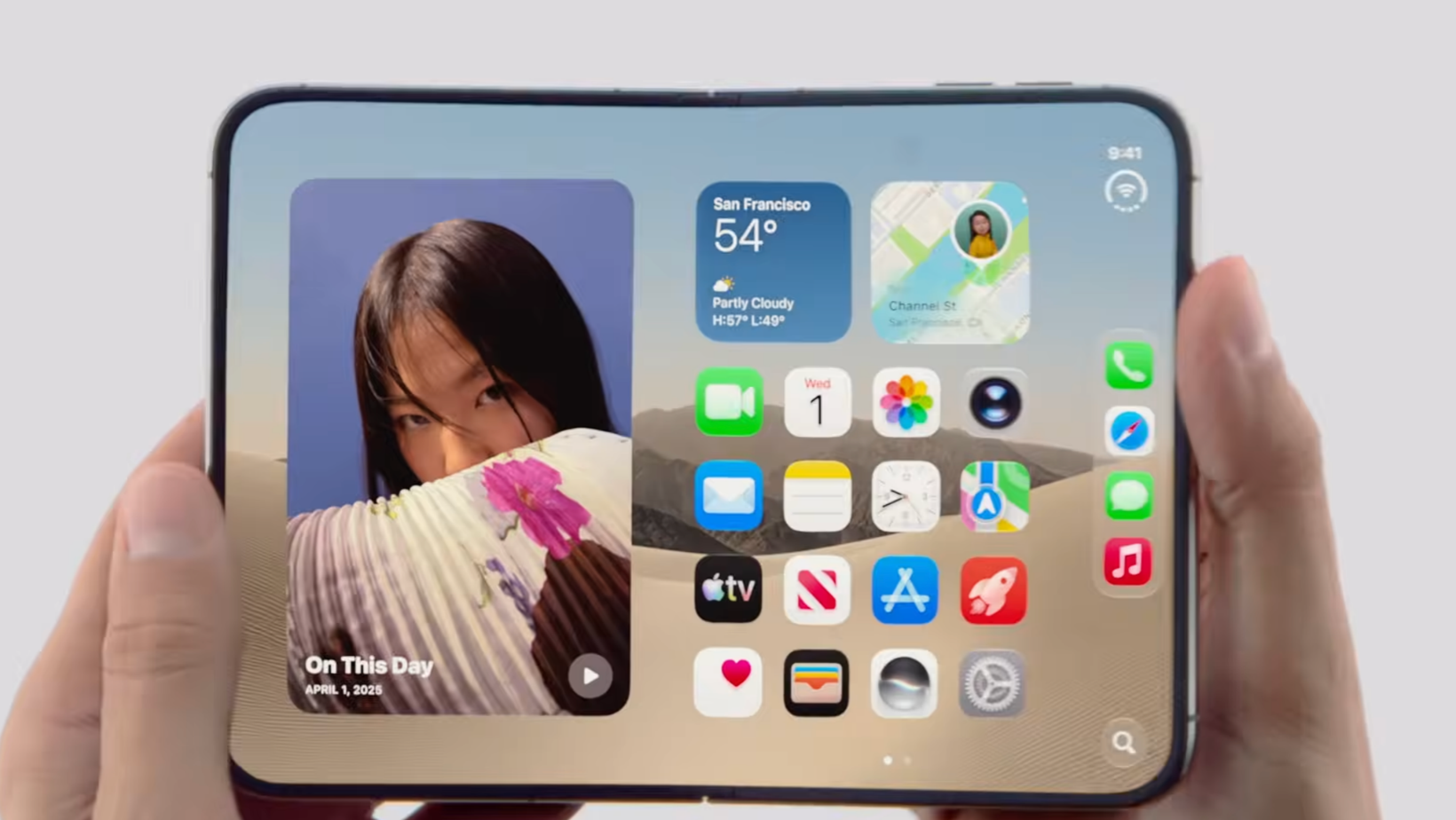
That doesn't mean I'd avoid taking the Duo on holiday. It's still carrying two 48MP rear cameras in something that fits in your pocket and unfolds into a 7.6-inch screen, which is hardly a terrible situation to find yourself in.
But if the question is simply which camera system gives me more options while traveling, it's the iPhone 18 Pro.
The Duo is an editing playground
Taking the picture is only half of the equation. The Duo has a 7.6-inch internal display.
That gives you substantially more space for reviewing and editing images than the 6.3-inch display on the iPhone 18 Pro.
This could end up being one of the Duo's biggest advantages for creators.
Shoot something, open the phone, and you've immediately got a larger canvas for checking focus, adjusting a crop, editing color, or working inside Lightroom and other creative apps.
Apple's fold-specific software also supports multitasking and multiple windows, which creates some interesting workflow possibilities.
The Pro takes the more versatile photographs. The Duo potentially gives you the better workspace afterward.
That's the trade-off that counts, way more than just counting camera lenses.
Same A20 Pro brains in different bodies
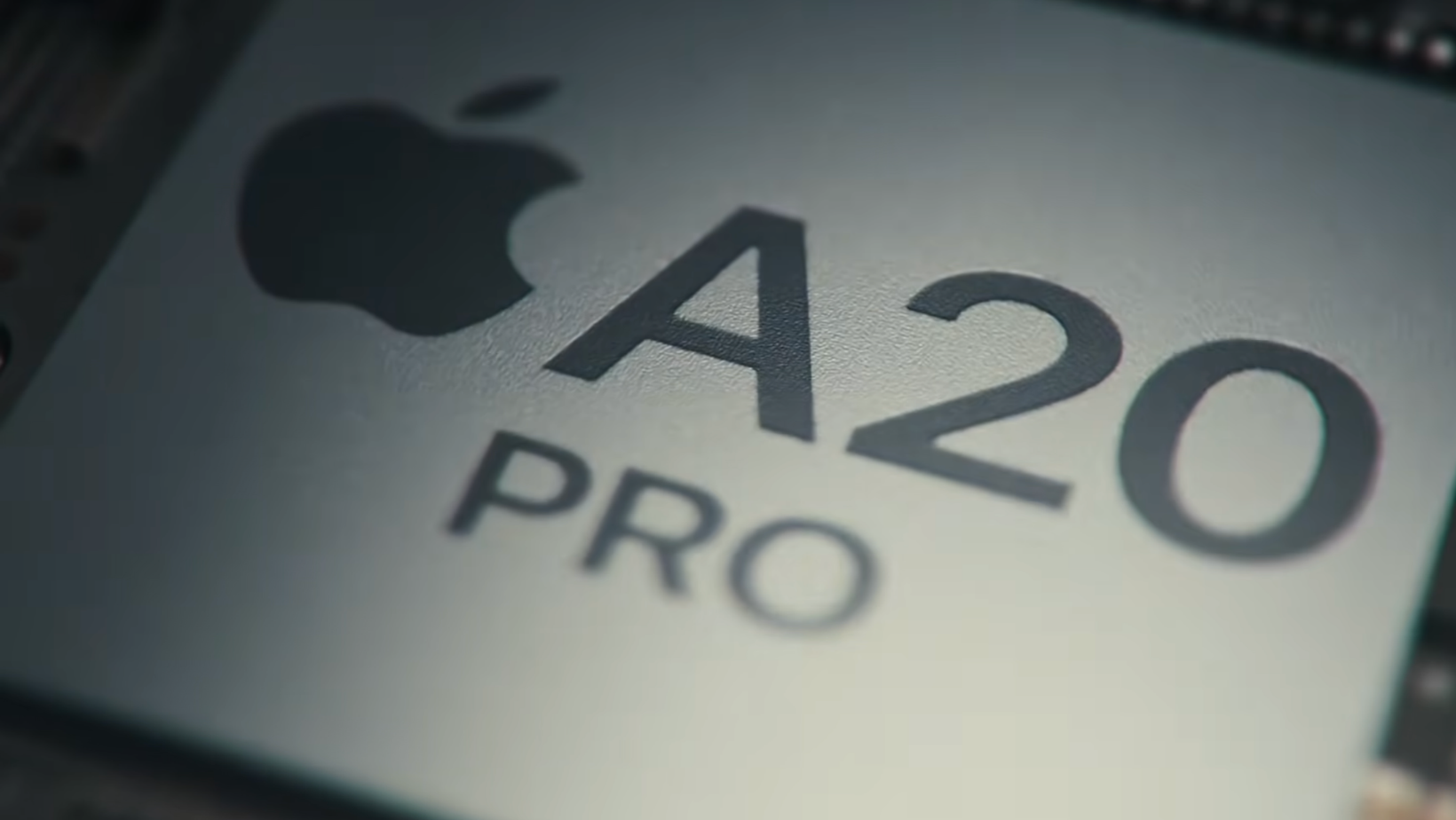
Both the iPhone Duo and iPhone 18 Pro use Apple's A20 Pro chip. That means you're not giving up the flagship processor by choosing the foldable.
Under the hood, it's the same A20 Pro silicon either way: 2nm process, six-core CPU, seven-core GPU, dual 16-core Neural Engines, so you're not trading down on power to get the fold.
Processing muscle for your photos
For photography, that processing power feeds into computational imaging, editing, AI features, and the general speed of working with large photo and video files.
The important point for this comparison is that processor performance isn't really the differentiator.
Apple hasn't given the Duo a lesser chip because it isn't called “Pro”. The camera hardware and physical form factor are where the differences are.
The price difference makes the camera compromise look stranger
Here's the weird logic behind the iPhone Duo vs iPhone 18 Pro pricing comparison. The iPhone 18 Pro starts at $1,199. The iPhone Duo starts at $1,999.
That's an $800 gap.
An unusual upgrade path
Normally, when you move $800 further up a product range, you expect to gain features.
With the Duo, you're gaining an entirely different physical design while simultaneously giving up some of the Pro camera hardware.
I don't think that's unreasonable.
A foldable display, complicated hinge, second screen, and all the engineering required to make the thing survive daily use cost money.
But it changes how I'd think about the purchase.
You shouldn't buy the Duo because it's the “ultimate iPhone” and assume it contains the best version of every Apple technology because it doesn't.
You're choosing the Duo because you value the folding display enough to accept compromises elsewhere.
The camera is where that cost shows up most.
Wait, is the iPhone Duo camera bad?
Absolutely not. And I think this is worth making clear. A 48MP Main camera plus 48MP Ultra Wide is hardly a bargain-bin camera system.
You've still got multiple useful focal lengths, Apple's computational photography, modern video features, and all the processing available from A20 Pro.
Foldable-only features
The foldable design also gives the Duo camera features the iPhone 18 Pro physically can't offer.
For plenty of people, the Duo will be more than enough camera. The problem only appears if you assume more expensive = better camera.
In this case, it doesn't. The iPhone 18 Pro is the camera-focused flagship. The Duo is the foldable flagship. Those are two different jobs.
Who should choose the iPhone 18 Pro?
I'd choose the iPhone 18 Pro if photography or video is one of the main reasons you're buying a high-end iPhone.
The dedicated Telephoto gives you much more flexibility. The variable aperture is genuinely interesting hardware.
The Pro video toolkit is extensive, and you're still getting the same A20 Pro processor for considerably less money.
It's also the safer choice if you regularly shoot:
- travel
- portraits
- concerts and events
- wildlife
- professional video
- subjects where you rely heavily on zoom
You don't get the enormous folding screen afterward, but you do get Apple's most versatile camera hardware.
For most photographers, that's the trade I'd make.
Who should choose the iPhone Duo?
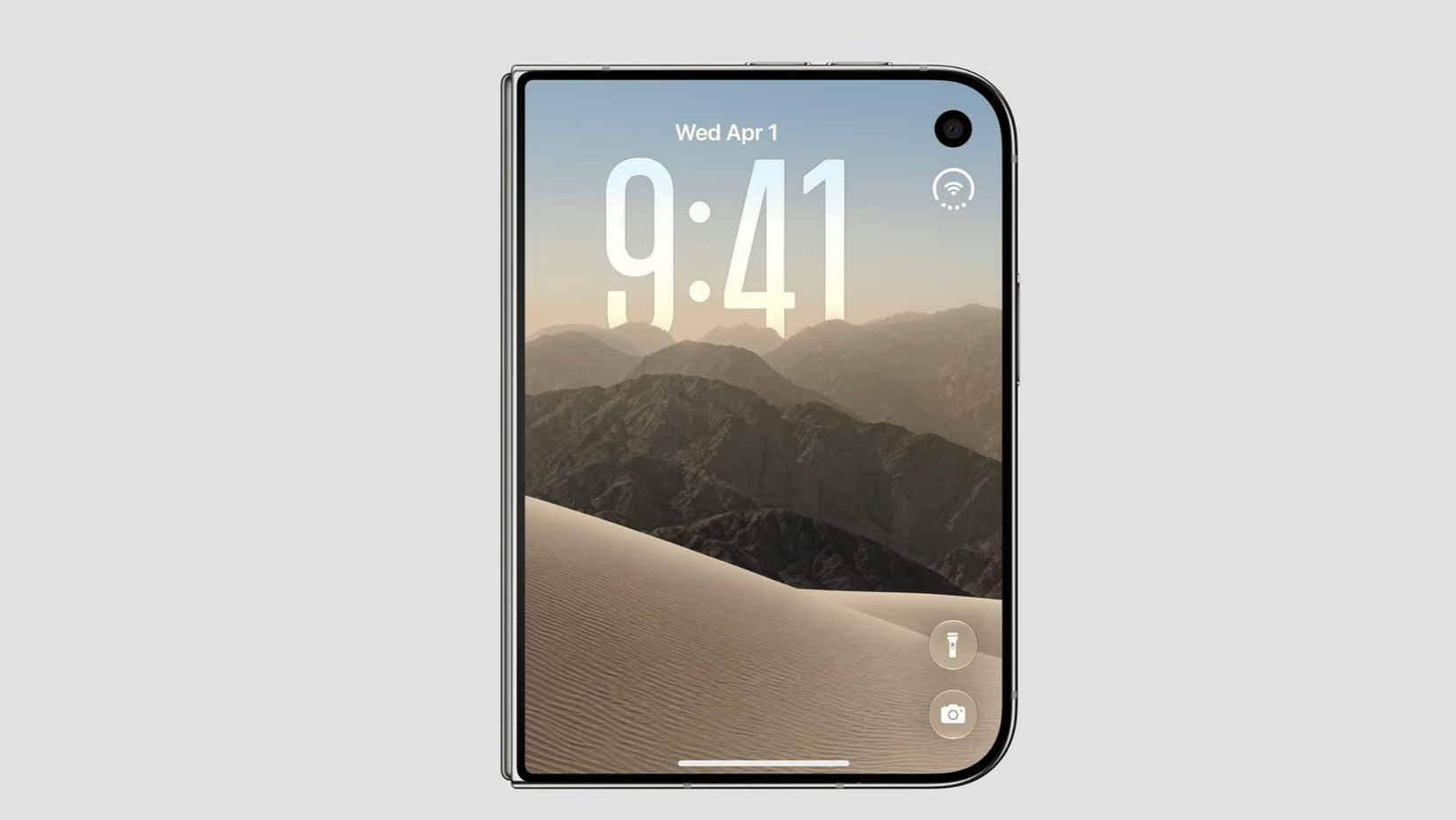
I'd choose the iPhone Duo if the foldable design is the thing you really want.
Maybe you want the 7.6-inch display for editing, or the ability to use the outer screen as a preview monitor appeals to you.
You might create lots of social content and like the idea of a phone that can prop itself up without carrying another accessory.
Or perhaps you've simply wanted a folding phone for years and refused to leave the Apple ecosystem to get one. All of those are decent arguments for the Duo.
I'd just go into the purchase knowing that you're giving up some camera versatility. If you've spent years using the Telephoto on a Pro iPhone, check your photo library before buying the Duo.
You may be surprised by how often you use it.
iPhone Duo camera vs iPhone 18 Pro: which would I choose?
For cameras alone, I'd take the iPhone 18 Pro over the iPhone Duo Camera easily.
The Duo's camera system looks capable, and I'm much more interested in features like Duo Preview and the ability to use the second display than I expected.
But the 18 Pro gives me more of the things I care about when taking high-quality photographs.
I want the dedicated Telephoto, the longer focal lengths, and a real answer on what the physical variable aperture can do once people start properly testing it.
The fact that the Pro starts $800 cheaper doesn't hurt either.
The Duo becomes more compelling when you stop judging it solely as a camera. That 7.6-inch display changes how you review and edit photos. The hinge gives you new shooting positions, the outer display becomes a preview screen, and the whole device can do things the conventional Pro physically cannot.
So I wouldn't describe the Duo's camera as a weakness. I'd call it a deliberate choice on Apple's part.
Apple has prioritized the folding design over giving the Duo every piece of Pro camera hardware. If you're buying the phone because you want that design, the trade may be totally worth it.
For more camera breakdowns and buying decisions like this one, you can join my Experiments in Progress newsletter.
FAQs
Does the iPhone Duo have the same camera as the iPhone 18 Pro?
No. The iPhone Duo has a dual 48MP rear-camera system with Main and Ultra Wide cameras. The iPhone 18 Pro has a triple 48MP system that adds a dedicated Telephoto camera and gives its Main camera a physical variable aperture.
Does the iPhone Duo have a Telephoto camera?
No. The iPhone Duo does not have a dedicated Telephoto camera. Its 48MP Main camera provides a 2× optical-quality option by cropping into the sensor.
Does the iPhone Duo have variable aperture?
No. The iPhone Duo's Main camera uses an ƒ/1.6 aperture. The iPhone 18 Pro has a physical variable aperture with ƒ/1.48, ƒ/1.8, ƒ/2.8, and ƒ/4.0 settings.
Which has the better camera, iPhone Duo or iPhone 18 Pro?
In hardware and range, the iPhone 18 Pro has the stronger camera system. It adds a dedicated Telephoto, longer optical-quality zoom options, and a variable aperture. The Duo has some unique photography features made possible by its second display, including Duo Preview and Kid Cue.
Can you use the iPhone Duo outer screen as a camera preview?
Yes. Apple's Duo Preview feature can show the person being photographed a preview on the outer display while the photographer uses the main camera interface.
Is the iPhone Duo good for content creators?
It could be particularly useful for creators who value the larger 7.6-inch editing display, foldable positioning, Dual Capture, and second-screen preview features. Creators who prioritise Telephoto shooting and Apple's most advanced traditional camera hardware may prefer the iPhone 18 Pro.
Why is the iPhone Duo more expensive if the iPhone 18 Pro has better cameras?
The Duo's higher price reflects its foldable hardware, including the inner and outer displays, hinge, and associated engineering. It is Apple's foldable flagship rather than a higher-tier version of the iPhone 18 Pro.
Is the iPhone Duo worth $1,999 for the camera?
I wouldn't spend $1,999 on the Duo specifically for its camera. The iPhone 18 Pro offers a more versatile camera system for $1,199. The Duo makes more sense if you specifically value its foldable display and the photography and editing possibilities that come with it.
